
A shift towards “unhurried travel” – prioritizing walking, rest, and immersive experiences over packed itineraries – is driving increased attention to Sangju, a city in North Gyeongsang Province, South Korea. The city is being positioned as a destination offering a blend of river landscapes, mountainous terrain, and experiential tourism opportunities.
At the heart of Sangju’s appeal is Gyeongcheon Island, situated in the middle of the Nakdong River. The island provides a space for walking, cycling, and picnicking, and is a popular destination for those seeking a relaxed day trip. Adjacent to the island, the Nakdong River walking path offers a scenic route for enjoying the riverside environment, particularly at sunset.
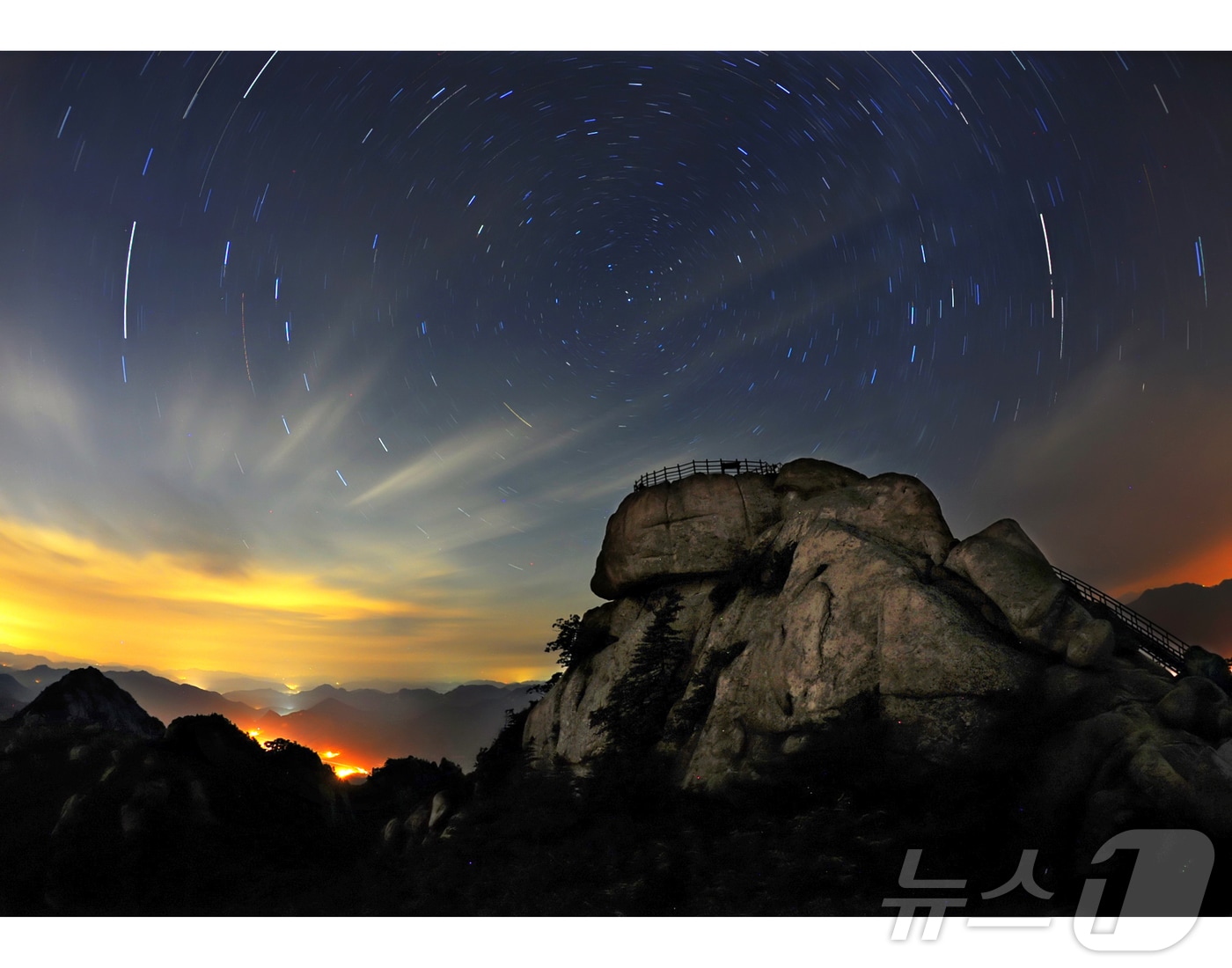
For travelers interested in nature and outdoor activities, Soksan Munjangdae, a peak within the Soksan National Park area of Sangju, is a prominent choice. The relatively gentle hiking trails and expansive views make it accessible for those seeking a less strenuous mountain experience. The surrounding forests and valleys are utilized as year-round resources for stay-based tourism.
Sangju also offers historical and cultural attractions. The Sangju Museum provides insights into the region’s history, and is a popular destination for educational and family travel. The Samgangjumak area, featuring traditional taverns and riverside scenery, combines cultural experiences with walking routes.
Experiential tourism is a key strength of Sangju. The Sangju Persimmon Theme Park allows visitors to learn about and participate in the production process of Sangju persimmons, a local specialty. The park hosts seasonal programs attracting family tourists. The city is also home to South Korea’s only bicycle museum, reflecting Sangju’s identity as a “bicycle city,” and facilitating cycling tours along the Nakdong River bicycle path.
Culinary experiences are also central to Sangju’s tourism strategy. The Sangju Persimmon Street, focused on the winter fruit, has develop into a seasonal gastronomic destination. Local markets and restaurants offer opportunities to sample regional agricultural products. The availability of riverfront campgrounds, car camping spots, and rural experience villages further expands options for extended stays.
Sangju is being marketed as a destination that prioritizes balance – between rivers and mountains, experiences and cuisine – appealing to travelers who favor a slower pace and deeper engagement with their surroundings. This approach is resonating with the MZ generation, who are increasingly seeking destinations that offer compelling reasons to stay and explore.
A recommended weekend itinerary includes a picnic and walk on Gyeongcheon Island, sunset photography along the Nakdong River, and sampling local persimmons and cuisine on the first day. The second day could involve a visit to the Sangju Bicycle Museum, a trek to Soksan Munjangdae, and exploration of traditional markets or the Persimmon Theme Park.
