
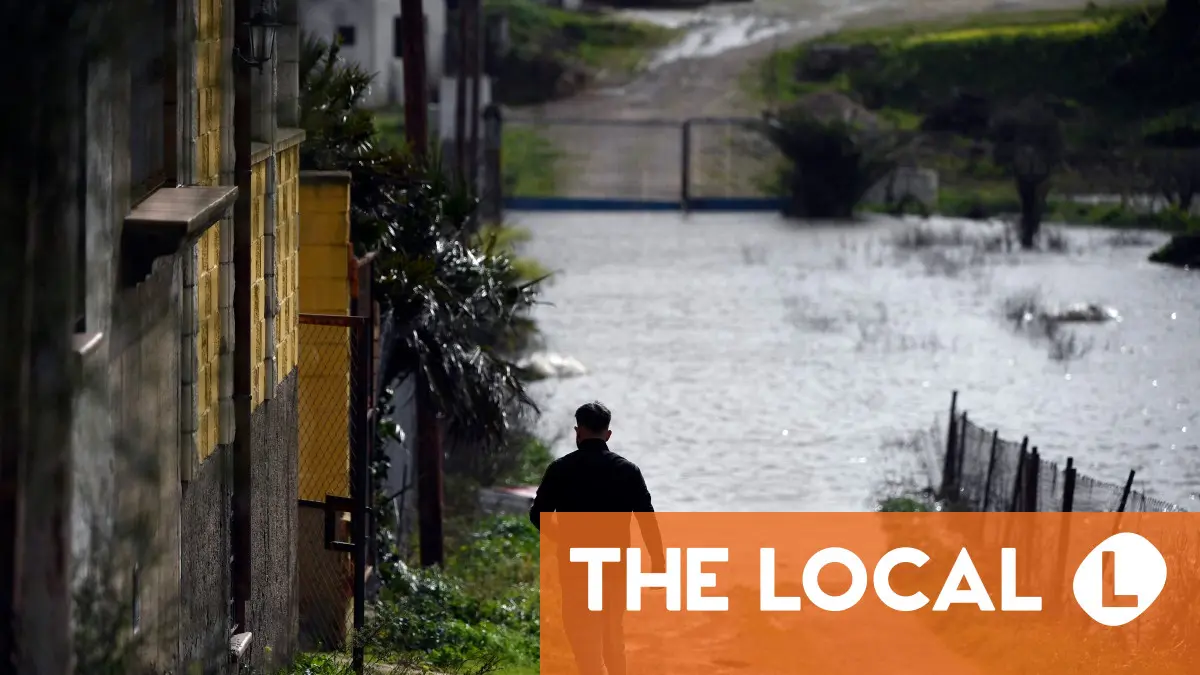
Spain and Portugal are on high alert as storms continue to cause damage across the Iberian Peninsula. A red alert, indicating an extraordinary level of danger to both people and property, has been issued in parts of Spain, particularly in the Valencia region, as violent winds and heavy rainfall batter the country.
The State Meteorological Agency Aemet defines a red alert for heavy rain as being triggered when 60 millimeters of rainfall are forecast in one hour, or 120 mm in 12 hours. However, thresholds vary regionally. In Valencia, most of Catalonia, and the Balearic Islands, the red alert is activated with 90 mm of rainfall in one hour or 180 mm in 12 hours. Murcia, Santa Cruz de Tenerife, and southern Mallorca have a slightly different threshold of 60 mm in one hour or 180 mm in 12 hours.
At least one person has died and dozens have been injured as a result of the storms, according to reports from Anadolu Ajansı. Storm Nils is also impacting France, leaving approximately 850,000 people without power.
Aemet recommends that during a red alert, preventative measures should be taken and instructions from authorities followed. Travel should be avoided unless absolutely necessary. Authorities urge the public to rely on official sources for information and to inform friends and family in affected areas.
Specific advice for residents includes checking the weather forecast, locating the highest points nearby in case of flooding, and avoiding ravines, streams, and bridges. Authorities strongly advise against attempting to cross flooded areas, even in a vehicle, and recommend abandoning a car and seeking higher ground if caught in floodwaters. Parking on the banks of rivers or near gullies is also discouraged.
For those who must drive, checking road conditions and following instructions from law enforcement is crucial. The Spanish Directorate General of Traffic (DGT) has released guidance on reacting to torrential rain and flash floods. Drivers who inadvertently travel through flooded areas should gently pump their brakes to test their functionality. If water rises above the wheel axle, the vehicle should be abandoned.
In rural areas, individuals are advised to avoid trees, isolated rocks, and metal objects during storms due to the risk of lightning strikes. Coastal areas face the danger of unpredictable waves, and authorities recommend staying away from promenades, breakwaters, and viewpoints.
Residents are also advised to seal gaps around doors and windows if leaving their homes, and to move valuable items to the highest parts of the house. In the event of an emergency, citizens should call 112.
