
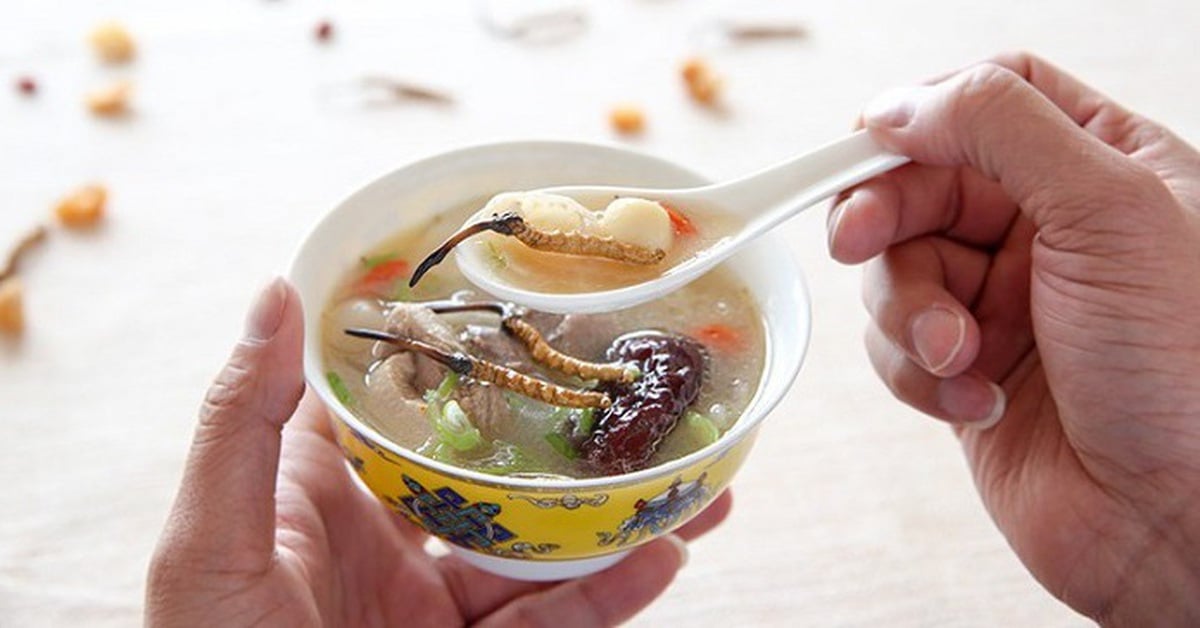
A Vietnamese nutrition expert is cautioning consumers against viewing bird’s nest and cordyceps as “miracle cures,” despite their increasing popularity as gifts during the Lunar New Year, or Tet, holiday. Nguyen Trong Hung, Deputy Head of the Nutrition Counseling, Rehabilitation, and Obesity Management Center at the National Institute of Nutrition, emphasized the nutritional value of both products but warned against inflated expectations regarding their health benefits.
Both bird’s nest and cordyceps have historically been considered valuable in traditional medicine, believed to improve health and provide nourishment. However, Hung noted that today, much of the supply of these products is industrially cultivated, diminishing their rarity. Assessing their nutritional value should be based on scientific evidence rather than anecdotal claims. “If you carefully read the ingredient list of bird’s nest or cordyceps products, you will find that the content of certain nutrients is not as high as people expect,” Hung stated, according to Tuoi Tre newspaper.
Hung stressed that while these products can offer some benefits, they should not be considered substitutes for medication, a balanced diet, or medical treatment. He highlighted the importance of understanding the concept of “nutritious” accurately, stating that a food’s health benefits should be judged based on intake, frequency of consumption, and supporting scientific research. He cautioned against indiscriminate consumption based on intuition or advertising.
The expert likewise raised concerns about the cultivation, processing, and quality control of these products, noting that consumers, particularly when purchasing expensive items, may struggle to determine if they meet established standards. “We can only trust reputable companies and brands with a good reputation for origin, quality control, and clear labeling of relevant information,” Hung advised. “We see essential to carefully read the ingredients, expiration date, and instructions for use before buying or giving them as gifts.”
Nutritionists also point out that bird’s nest and cordyceps are not suitable for everyone. Some commercially available bird’s nest products contain significant amounts of sugar, making them unsuitable for individuals needing blood sugar control, those with diabetes, or people who are overweight or obese. “Safe use requires knowing the dosage, duration, and underlying health conditions of the person taking them. If there is insufficient information, it is best to consult a doctor or nutritionist,” Hung added.
The tradition of gift-giving during Tet is a cherished cultural practice representing intergenerational affection and care. However, Hung suggested that Tet gifts do not necessarily need to be expensive or marketed as “high-quality nutritional” products. “Natural and healthy foods that suit the recipient’s physical condition and needs can sometimes be more practical. The value of a gift lies not only in its price or appearance but also in the thoughtfulness and understanding it demonstrates.”
Experts recommend that consumers prioritize safe and transparent choices that promote long-term health, rather than chasing trends or advertising claims.
