
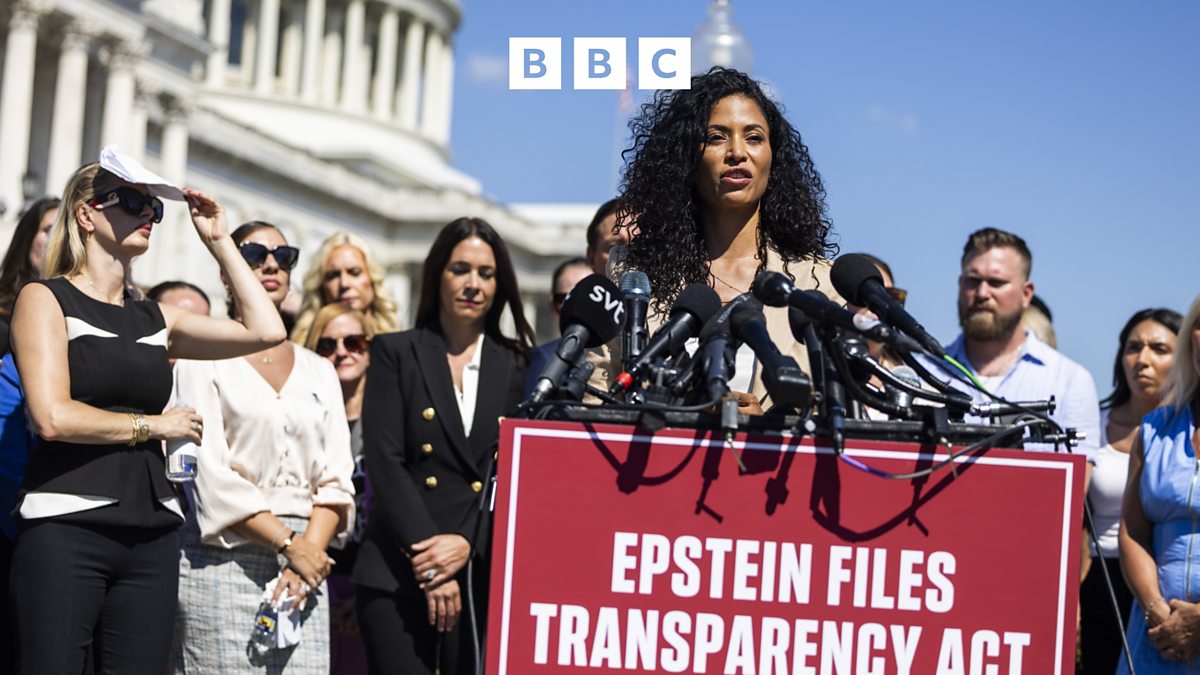
Members of Congress began reviewing unredacted versions of the Justice Department’s files related to Jeffrey Epstein on Monday, February 9th, according to multiple reports. Lawmakers are permitted to take notes while examining the documents, but are prohibited from making electronic copies, a restriction outlined in a letter sent to congressional offices by the Attorney General’s office.
The release of the files, encompassing over 3 million pages, follows the passage of the Epstein Files Transparency Act, which mandated the Justice Department to make the documents available. However, approximately 2.5 million pages remain withheld by the department, according to Deputy Attorney General Todd Blanche. The Justice Department maintains that the withheld pages contain sensitive information.
The review process is taking place at the Justice Department in Washington D.C., with legislators granted access to the documents from 9 a.m. To 6 p.m. ET on weekdays. Officials reading the documents are required to abandon electronic devices outside the designated reading room, further limiting the ability to disseminate the information quickly.
Separately, Ghislaine Maxwell, Epstein’s accomplice currently serving a prison sentence, has indicated through her legal counsel that she is prepared to provide a full and honest account of her relationship with Epstein. However, her lawyers have stipulated that this cooperation is contingent upon President Trump granting her clemency.
The unfolding events surrounding the Epstein files come as the Justice Department faces continued scrutiny regarding its handling of the investigation. The release of the unredacted documents to Congress is intended to demonstrate the department’s commitment to transparency, as stated by Assistant Attorney General Patrick Davis in the letter to lawmakers. However, legal restrictions on sharing the information remain in place, particularly concerning the protection of victim identities.
