
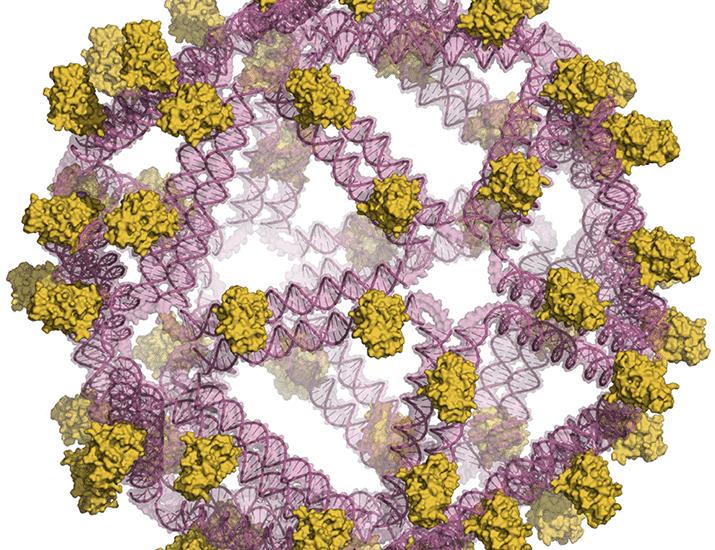
Researchers have developed a new vaccine scaffold designed to stimulate the production of rare B cells capable of generating broadly neutralizing antibodies against HIV, a significant step in the ongoing effort to develop an effective HIV vaccine.
The approach, detailed in recent findings, centers on priming these subdominant precursor B cells within germinal centers (GCs). These GCs are crucial sites for the development of antibody responses, and targeting them effectively is considered a central goal in HIV vaccination strategies. The new scaffold utilizes multivalent immunogen display on protein nanoparticle structures to promote this targeted stimulation.
Current HIV vaccine research increasingly focuses on eliciting broadly neutralizing antibodies (bnAbs), which can neutralize a wide range of HIV variants. Generating these antibodies requires stimulating the appropriate B cells, a challenge that this new scaffold aims to address. According to recent reports, combining slow-release antigen delivery with follicle targeting further enhances B cell diversity and clonal expansion within these germinal centers.
A separate study, conducted at MIT, has demonstrated a “supercharged” vaccine approach that could potentially offer strong protection with a single dose. This method, while distinct from the nanoparticle scaffold, shares the goal of maximizing immune response efficiency. The MIT research suggests that optimizing vaccine delivery and antigen presentation can dramatically improve protection.
Scripps Research has also reported success with a two-part vaccine strategy that generates a stronger and longer-lasting immune boost against HIV. This strategy builds on the understanding that sequential vaccination can enhance the immune response, providing more sustained protection. The Scripps approach, like the nanoparticle scaffold, aims to overcome the challenges of inducing broadly neutralizing antibodies.
The development of these new strategies comes as the scientific community continues to grapple with the complexities of HIV, a virus known for its rapid mutation rate and ability to evade the immune system. While these advances represent promising steps forward, further research and clinical trials are necessary to determine their efficacy and safety in humans.
