
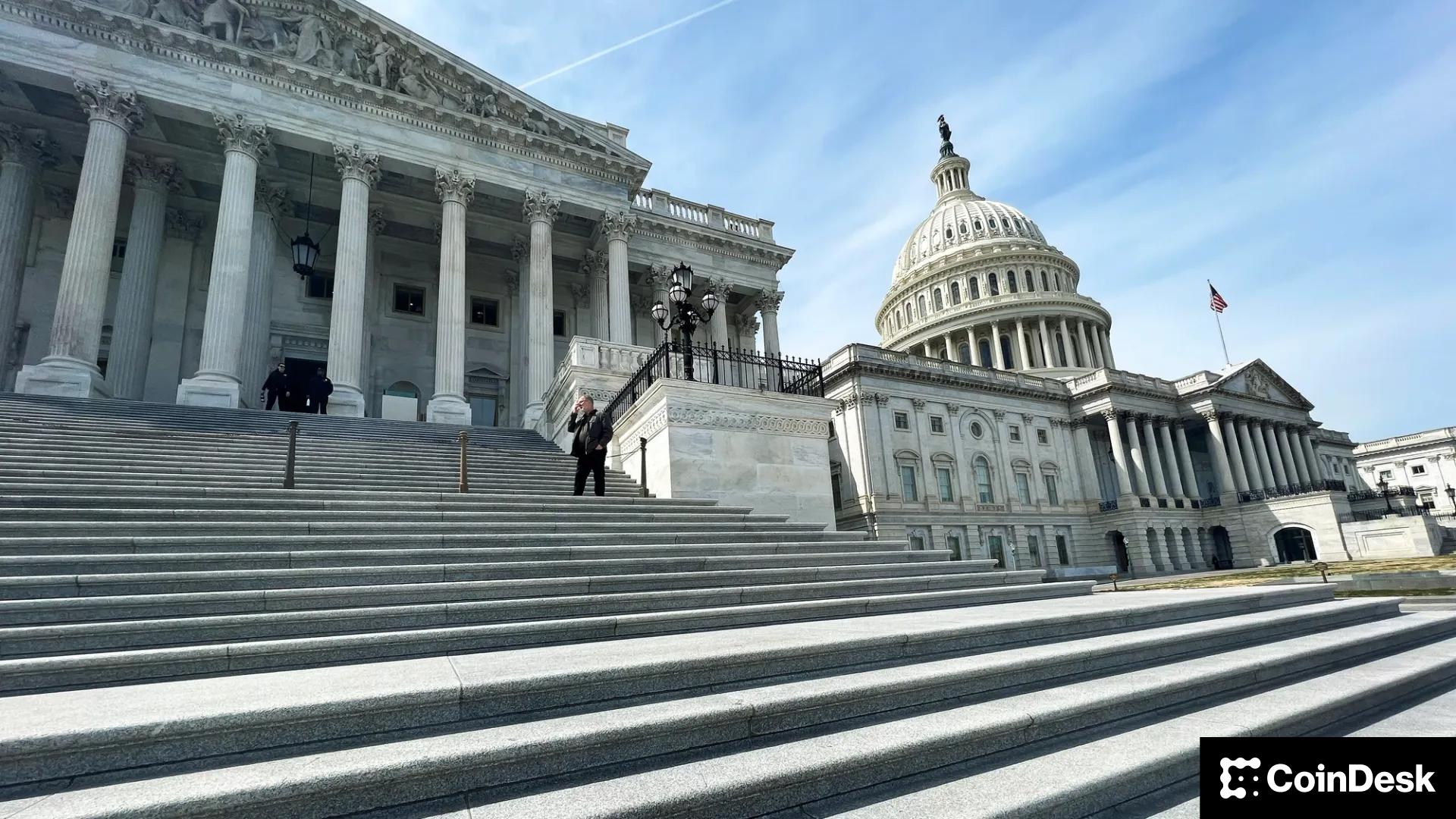
If U.S. laws finally define how federal regulators can handle digital assets, cryptocurrencies will be easier to manage, keep track of, and transact in, and more investors will likely get involved, potentially increasing the value of each token. But a lot needs to happen before that’s true, and getting these laws through Congress is proving messy.
Crypto enthusiasts have long seen themselves as forward-thinking investors, eager to challenge the system and invest in something outside the mainstream. But what lawmakers are working on now aims to bring crypto very much into the establishment. The lines between digital assets and traditional finance would become much blurrier,and in some cases,disappear entirely.
Crypto platforms like Coinbase and Kraken would need to register with federal regulators,who’d insist they follow strict rules when handling your assets. Stablecoin issuers like Circle and Tether would have to follow tight regulations similar to banking standards.
With a sweeping new law, your crypto assets would likely be much safer from financial disasters, though they’d be more closely tracked and managed.You’d also be more likely to get help from the government if you have disputes with businesses. If you’re part of the group that keeps your own custody and uses platforms without human management, that part of the crypto sector would face more rules designed to prevent criminal activity.
And if you’re used to earning a return on your crypto holdings, like through a program like Coinbase’s USDC Rewards, there’s some uncertainty about what those programs might look like in the future, depending on how negotiations go.
So, where do things stand with this potential law?
A Dizzying Senate
If you follow the U.S. government’s approach to crypto, you’ve probably seen a lot of headlines from the Senate lately. This legislation could determine the fate of crypto activity, but it’s at a stage in the lawmaking process that tends to surge and ebb. Efforts in one committee get close to a vote, then fall apart.
