
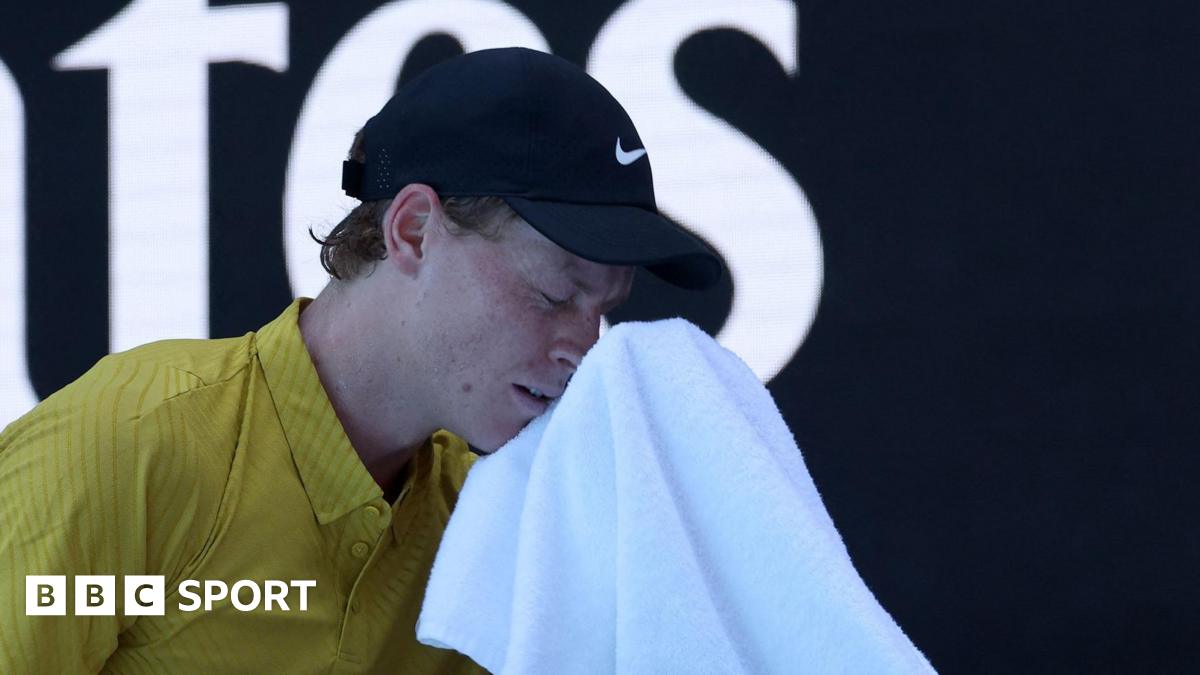
Australian Open Play Resumes Amidst Extreme Heat, Highlighting Player and Spectator Safety Concerns
Play at the Australian Open was temporarily impacted by extreme heat on Saturday, prompting organizers to utilize cooling measures and adjust schedules to protect players and spectators. While matches under the retractable roofs of the major show courts continued without interruption, competition on the outdoor courts was delayed untill 7:30 PM local time (8:30 GMT) as temperatures soared, raising concerns about player welfare and the challenges of competing in such conditions. https://www.bbc.com/sport/tennis/67939999
The Impact of Melbourne’s Heatwave
Melbourne has been experiencing a notable heatwave, with temperatures exceeding 30°C (86°F) for several days. The Australian Open utilizes a heat policy designed to mitigate the risks associated with extreme heat,but Saturday’s conditions presented a particularly challenging scenario. The policy, implemented by Tennis Australia, considers the Wet Bulb Globe Temperature (WBGT) – a composite measure that combines temperature, humidity, wind speed, and solar radiation – to determine when play should be suspended or modified. https://www.ausopen.com/about/rules-regulations/heat-stress-management-policy
When the WBGT exceeds a certain threshold, play on outdoor courts is suspended. While the exact threshold varies, the policy prioritizes player safety, recognizing the potential for heatstroke, dehydration, and reduced performance in extreme conditions. The delay on Saturday underscored the effectiveness of this policy, allowing conditions to cool slightly before resuming play.
Cooling Measures Employed at Melbourne Park
To combat the heat, tournament organizers implemented a range of cooling measures for both players and spectators. These included:
* Mist Towers: Strategically placed mist towers released fine water droplets into the air, providing a cooling effect through evaporation.
* Water Stations: Numerous water stations were available throughout the grounds, encouraging spectators to stay hydrated.
* Sun Umbrellas: Large sun umbrellas offered shade in exposed areas, providing respite from the intense sun.
* Cooling Zones: Designated cooling zones, often featuring air conditioning, were established for those needing a more substantial break from the heat.
These measures, while helpful, highlighted the extreme nature of the conditions. Reports indicated that ball kids were instructed to place their hands on their feet rather than the court surface to avoid burning their palms while crouching at the net posts – a stark illustration of the heat’s intensity. https://www.theguardian.com/sport/2024/jan/20/australian-open-play-resumes-after-heat-delay-ball-kids-told-to-put-hands-on-feet
Player Perspectives: Adapting to the Heat
Despite being accustomed to playing in warm climates,even seasoned professionals acknowledged the severity of Saturday’s heat. American player Jessica Pegula commented that while players are “used to” the heat, the conditions served as a reminder of how challenging Melbourne Park can be. https://www.bbc.com/sport/tennis/67939999
The physiological demands of playing tennis in extreme heat are significant. The body works harder to regulate its core temperature, diverting blood flow from muscles to the skin for cooling. This can lead to fatigue, reduced muscle power, and impaired cognitive function. Players rely on strategies like increased hydration, electrolyte replenishment, and strategic use of shade during breaks to mitigate these effects.
Furthermore, the heat can impact ball behavior. A warmer ball travels faster and bounces higher, altering the dynamics of the game and requiring players to adjust their strategies accordingly.
The Ongoing Debate: Should the Australian Open Be Played in Cooler Months?
The recurring issue of extreme heat at the Australian Open has reignited the debate about the tournament’s scheduling. Some argue that shifting the event to a cooler time of year,such as November,would be a more lasting solution.
Advocates for a schedule change point to the increasing frequency and intensity of heatwaves due to climate change. They argue that relying solely on heat policies and cooling measures is insufficient to protect players and spectators in the long term. A November start would possibly avoid the peak of Melbourne’s summer heat, creating a more agreeable and safer surroundings for all involved.
However, a schedule change would also present logistical challenges. It would require renegotiating broadcast contracts, adjusting the tennis calendar, and potentially impacting other sporting events in Melbourne. Tennis Australia has previously explored the possibility of a November start but has yet to implement a permanent change.[https://wwwsmhcomau/sport/tennis/australian-open-november-start-date-what-s-holding-it-up-20231026-p5bf6[https://wwwsmhcomau/sport/tennis/australian-open-november-start-date-what-s-holding-it-up-20231026-p5bf6
