
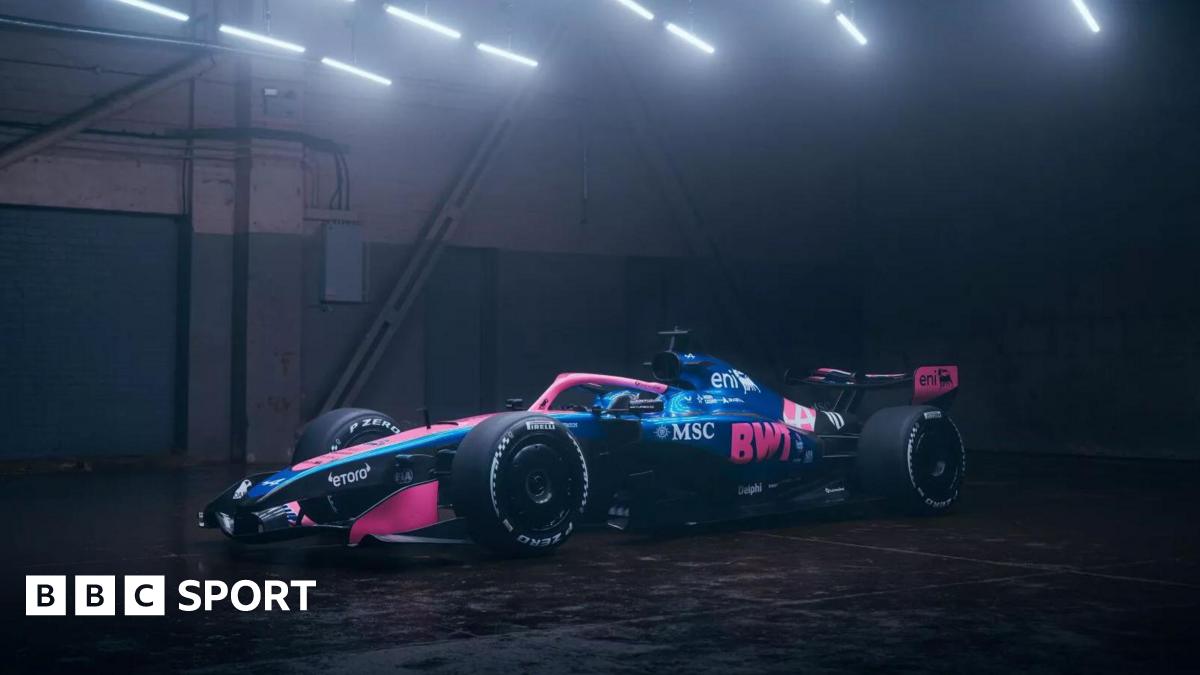
Alpine F1 Team Targets Competitive Resurgence in 2026 with New Engine and Renewed Focus
Silverstone, UK – alpine F1 Team is setting ambitious goals for the 2026 Formula 1 season, aiming for a critically important performance leap after a challenging 2025. team boss Flavio Briatore expressed confidence in the team’s prospects during the official launch event, signaling a renewed commitment to success as the sport enters a new era of regulations. https://www.formula1.com/en/latest/article/alpine-launch-flavio-briatore-2026-f1-season.html
The launch, held at Silverstone this week, showcased the team’s 2026 livery on a show car, but refrained from revealing detailed images of the actual chassis. This strategic decision underscores Alpine’s focus on a complete overhaul for the season defined by sweeping technical changes to the sport’s aerodynamic regulations.
Briatore’s assertion that Alpine “will really come back in the performance this year” comes after a purposeful strategic decision in 2025 to halt growth of the previous car,channeling all resources into the 2026 challenger. This resulted in alpine finishing last in the 2025 Constructors’ Championship, a sacrifice made to prioritize long-term competitiveness. https://www.motorsport.com/f1/news/alpine-briatore-2026-competitive-mercedes-engines/10578691/
A Pivotal Engine Change
A key component of Alpine’s 2026 strategy is the switch to Mercedes customer engines. This decision follows Renault’s parent company’s choice to discontinue its Formula 1 engine program, marking a significant shift for the team formerly known as Renault F1. The move to mercedes power units represents a pragmatic approach, allowing Alpine to secure a reliable and competitive engine supply while focusing its internal efforts on chassis development.
The current generation of Formula 1 engines – 1.6-liter turbocharged V6 hybrids – have been a cornerstone of the sport since 2014. However, the 2026 regulations introduce a new engine formula, increasing the electrical power component and mandating the use of 100% sustainable fuels. https://www.f1technical.net/news/f1-2026-engine-regulations-explained This shift towards greater sustainability aligns with Formula 1’s commitment to net-zero carbon emissions by 2030.
The partnership with Mercedes is expected to provide Alpine with a performance advantage, as Mercedes has consistently been a leading engine manufacturer in the hybrid era. However,the team recognizes that engine supply alone isn’t a guarantee of success.
“If the car is bad, it is our fault,” Briatore stated emphatically. “We did not have any problems building this car. We had the budget.” This statement underscores the team’s accountability and determination to deliver a competitive package.
Understanding the 2026 Regulation Changes
The 2026 Formula 1 regulations represent the most significant overhaul of the sport’s technical framework in decades. Beyond the engine changes,key areas of modification include:
* Aerodynamics: The new regulations aim to reduce the reliance on complex aerodynamic devices,promoting closer racing and more overtaking opportunities. Changes to the front and rear wings, underfloor, and diffuser are expected to significantly alter the aerodynamic characteristics of the cars.
* Chassis: The chassis dimensions will be adjusted, and new crash test standards will be implemented to enhance driver safety.
* Weight Reduction: Efforts are underway to reduce the overall weight of the cars, improving agility and performance.
* DRS (Drag Reduction System): Modifications to the DRS system are being considered to further enhance overtaking opportunities.
These changes necessitate a complete redesign of the cars, presenting both challenges and opportunities for teams.Alpine’s decision to focus solely on the 2026 car in 2025 demonstrates a strategic understanding of the magnitude of these changes.
The Road Ahead for Alpine
Alpine faces a challenging but potentially rewarding path forward. The team’s success in 2026 will depend on its ability to effectively integrate the Mercedes engine,capitalize on the new aerodynamic regulations,and deliver a reliable and competitive chassis.
Briatore’s return to a prominent role within the team is seen by many as a catalyst for positive change. His experience and leadership are expected to provide a much-needed boost to the team’s morale and direction. However, the competitive landscape of Formula 1 is
