
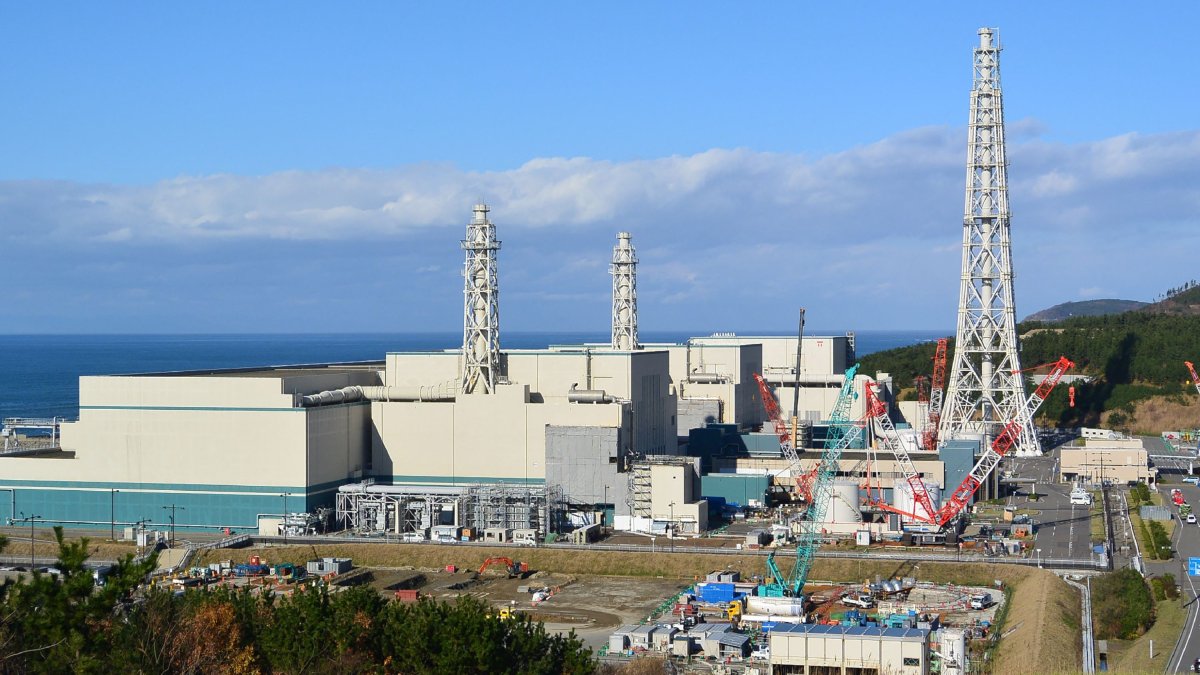
The world’s largest nuclear power plant in north-central Japan restarted one of its reactors for the frist time since the 2011 Fukushima disaster, as limited-resources Japan accelerates atomic power use to meet soaring electricity needs.
The first steps in energy production at the No. 6 reactor of the Kashiwazaki-Kariwa nuclear power plant are crucial because the operator is Tokyo Electric Power Company Holdings (TEPCO), the same utility that runs the ruined Fukushima Daiichi plant.
TEPCO’s past safety issues at Fukushima have led to public worries about operations at the Kashiwazaki-Kariwa plant, which also sits in an isolated, quake-prone region.
TEPCO said staff at the No. 6 reactor’s control room turned on a button Wednesday evening to start a nuclear chain reaction toward achieving criticality – a stage when a reactor reaches a self-sustaining nuclear reaction. The move was delayed a day due to a faulty alarm setting found over the weekend.
All seven reactors at Kashiwazaki-Kariwa have been dormant since a year after the Fukushima Daiichi plant on Japan’s northeastern coast was hit by a massive quake and tsunami in March 2011 and suffered meltdowns that contaminated the surrounding land with radioactive fallout so severe that some areas are still unlivable.
Safety concerns
TEPCO is still trying to recover from the hit to its image, even as it works on a cleanup at Fukushima Daiichi that’s estimated to cost 22 trillion yen ($139 billion). Government and independent investigations blamed the Fukushima debacle on TEPCO’s bad safety culture and criticized it for collusion with safety authorities.
Fourteen other nuclear reactors have restarted across Japan since 2011, but this is the first TEPCO-run unit to resume production.
Residents near the plant welcome the potential economic and employment benefits but worry about nuclear safety and the feasibility of evacuation plans, especially after a major quake in the nearby Noto region two years ago.
A restart of the No. 6 reactor at the Kashiwazaki-Kariwa plant, about 220 kilometers (135 miles) northwest of Tokyo, could generate an additional 1.35 million kilowatts of electricity,enough to power more than 1 million households in the capital region.
All seven units were taken offline in 2012 as part of nationwide safety shutdowns after the Fukushima disaster, though they were unaffected by that quake and tsunami.
the Kashiwazaki-Kariwa plant was partially damaged in a 2007 earthquake, causing safety worries and distrust among locals. TEPCO responded by installing a quake-resistant command center at the compound in 2009.
No. 6 was one of the two reactors that had cleared safety tests in 2017,but faced an operational ban by the nuclear Regulation Authority over serious safeguarding problems found in 2021. It finally got a greenlight in 2023.
The restart follows revelations of seismic data falsification by another utility during safety screenings of one of its reactors. That has angered regulation offici
