
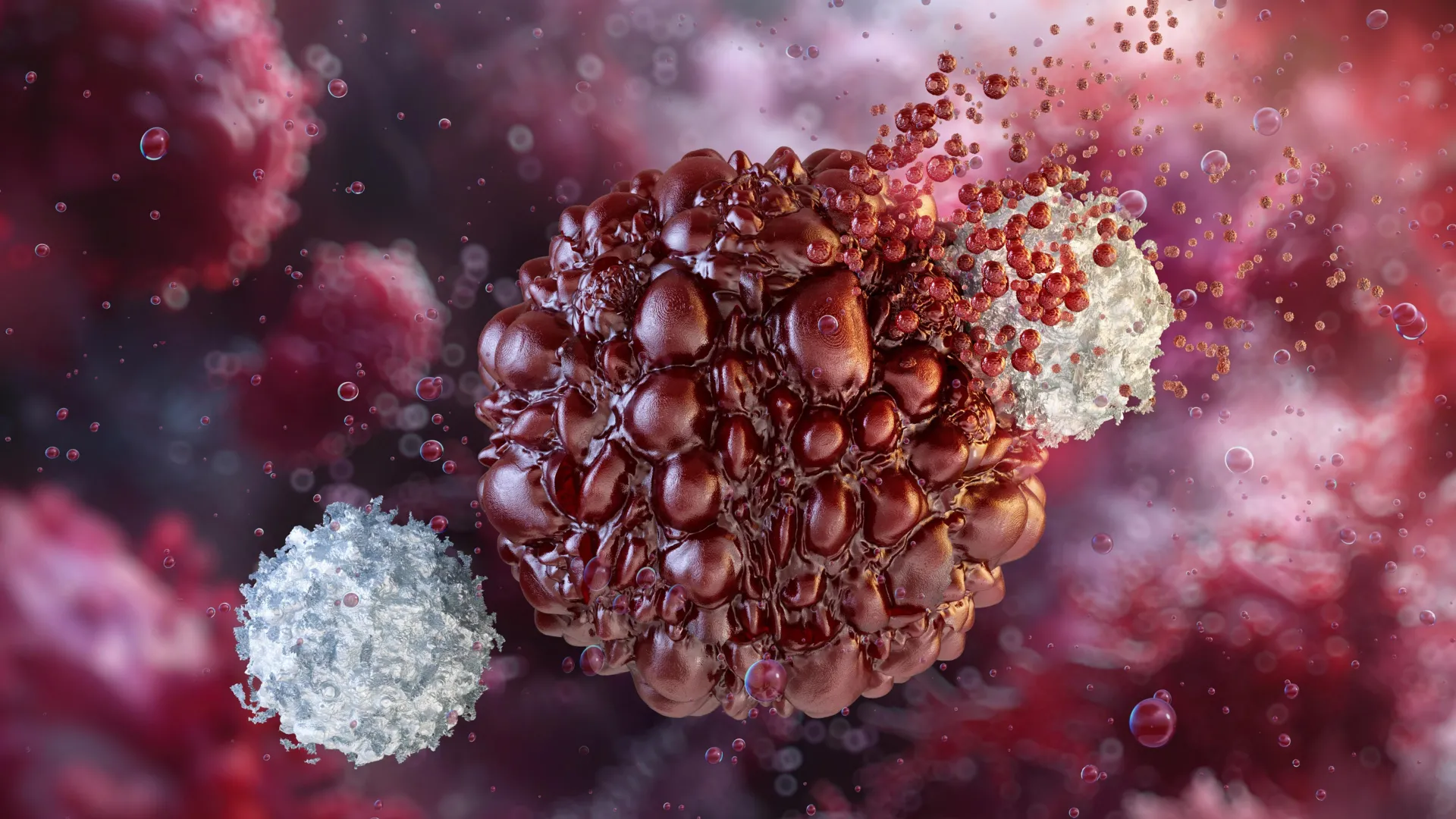
“`html
Unlocking the immune System: Scientists Grow Helper T Cells from Stem cells
For decades, scientists have dreamed of harnessing the power of stem cells to create immune cells in the lab. Now, researchers at the University of British Columbia (UBC) have achieved a breakthrough, consistently producing functional helper T cells – critical components of the human immune system – from stem cells in a controlled laboratory environment.This achievement, published January 7th in Cell Stem Cell, represents a significant leap forward in immunotherapy, offering potential solutions for treating autoimmune diseases, improving transplant success rates, and even engineering personalized cancer therapies. This isn’t just a scientific curiosity; it’s a potential paradigm shift in how we approach immune-related illnesses.
The Importance of Helper T Cells: Orchestrators of Immunity
To understand the significance of this breakthrough, it’s crucial to grasp the role of helper T cells. Frequently enough referred to as CD4+ T cells, these cells are the conductors of the immune system. They don’t directly kill infected or cancerous cells. Instead, they coordinate the immune response by releasing signaling molecules called cytokines. These cytokines activate other immune cells – like killer T cells and B cells – to fight off threats.
How Helper T Cells Work: A Simplified Explanation
- Recognition: Helper T cells recognize fragments of pathogens (like viruses or bacteria) presented on the surface of other immune cells.
- Activation: This recognition triggers the helper T cell to become activated.
- Coordination: Activated helper T cells release cytokines, directing the immune response. Diffrent cytokines activate different types of immune cells, tailoring the response to the specific threat.
- Memory: Some activated helper T cells become memory cells, providing long-lasting immunity.
Without functional helper T cells, the immune system is severely compromised. This is tragically demonstrated by the effects of HIV, which specifically targets and destroys CD4+ T cells, leading to Acquired Immunodeficiency Syndrome (AIDS). Beyond HIV, deficiencies in helper T cell function contribute to a wide range of immune disorders.
The Challenge of Growing Helper T Cells in the Lab
While scientists have successfully grown other types of immune cells from stem cells, generating functional helper T cells has proven remarkably difficult. The process of T cell development is incredibly complex, involving multiple stages and precise signaling cues. Replicating this intricate process in vitro (in the lab) has been a major hurdle. Previous attempts often resulted in cells that lacked key functional characteristics or were produced inconsistently.
why Was It So Difficult?
The primary challenge lies in mimicking the thymus, a specialized organ in the body where T cells mature. Within the thymus, immature T cells undergo a rigorous selection process to ensure they can recognize foreign invaders but don’t attack the body’s own tissues (preventing autoimmunity). Recreating this thymic environment in a petri dish is exceptionally complex. Researchers needed to identify the specific growth factors, signaling pathways, and cellular interactions necessary to guide stem cells through this developmental process.
UBC’s Breakthrough: A Defined Differentiation Protocol
The UBC team, led by Dr. Josef Penninger, overcame these challenges by developing a highly refined, step-by-step protocol for differentiating human pluripotent stem cells (cells that can become any cell type in the body) into functional helper T cells. Thier approach focuses on precisely controlling the signaling environment,using a cocktail of growth factors and small molecules to guide the stem cells through the various stages of T cell development.
Key Elements of the Protocol:
- Sequential Signaling: The researchers didn’t simply expose the stem cells to all the necessary factors at once. Instead, they applied them sequentially, mimicking the natural developmental timeline.
- 3D Culture: They grew the cells in a three-dimensional culture system, which more closely resembles the natural environment within the thymus. This allows for more complex cell-cell interactions.
- Rigorous Quality Control: The team developed methods to rigorously assess the functionality of the generated helper T cells, ensuring they could respond to stimulation and produce the appropriate cytokines.
“We’ve essentially created a blueprint for reliably generating these crucial immune cells,” explains Dr. Penninger. “This opens up a whole new world of possibilities for studying immune function and developing new therapies.”
Potential Applications: From Autoimmunity to Cancer
<
