
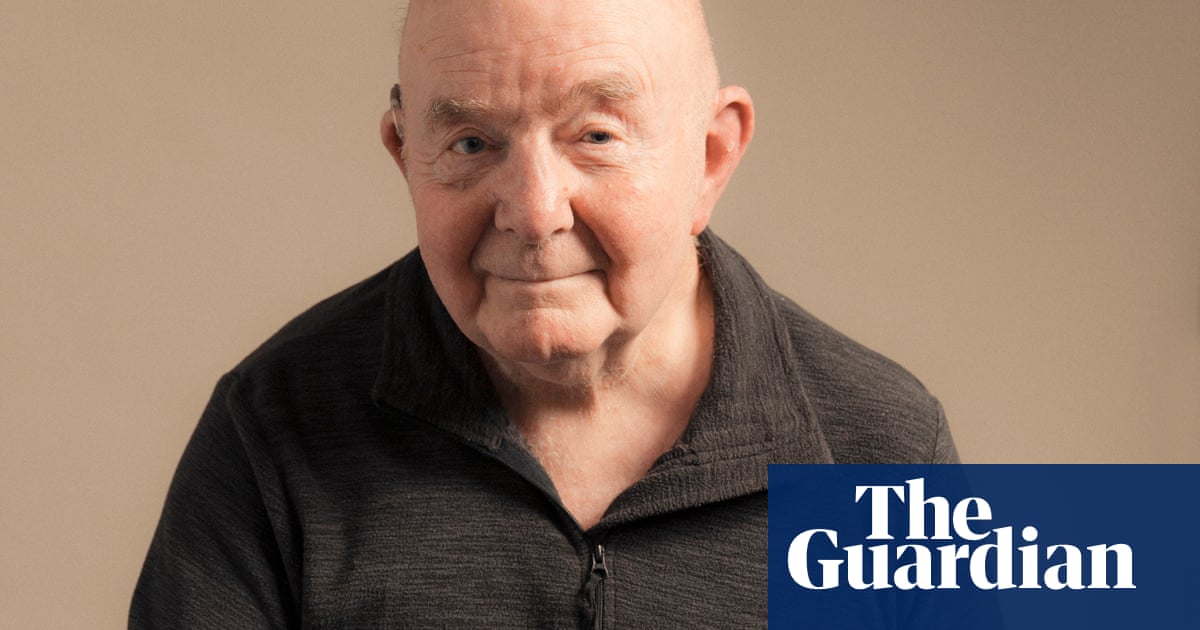
Harold Price’s remarkable Recovery: From Spinal Cord Injury to Walking Again
Before the accident, Harold price, 82, loved being on two wheels. A retired engineer from Griffithstown in Wales, he cycled about 95 miles a week on his road bike. “Not bad for 78,” he says. On other days he’d be out on one of his restored motorbikes, as he was in June 2021, with a freind.They were riding at 10 miles an hour on a narrow road when his friend pulled out in front of him. “I had nowhere to go,” Price says. He remembers his head snapping back into his helmet before he blacked out.
The Initial Injury and Prognosis
Price spent months in hospital. He had broken the fifth vertebra in his neck, resulting in compression of his spinal cord.Doctors delivered devastating news: he wouldn’t walk again. This diagnosis marked the beginning of an arduous journey of rehabilitation and determination.
Months of Intensive Rehabilitation
Price’s recovery wasn’t immediate. He began intensive rehabilitation at the Spinal Injuries Unit at the university Hospital of Wales in Cardiff. This involved a rigorous program designed to rebuild strength,regain mobility,and adapt to life with a spinal cord injury. He focused on exercises to strengthen his upper body and core, essential for independent living.
The Role of Technology and Neuro-Rehabilitation
A key component of Price’s recovery was neuro-rehabilitation, utilizing cutting-edge technology. He participated in a trial using a robotic exoskeleton, a wearable device that provides support and movement assistance. This allowed him to practice walking movements, even though he couldn’t do so independently.
The exoskeleton works by detecting the user’s intention to move and then providing the necessary power to complete the action. This helps to retrain the nervous system and rebuild neural pathways. price describes the experience as “amazing,” noting that it gave him a sense of hope and control.
beyond the Exoskeleton: Continued Progress
Price’s progress didn’t stop with the exoskeleton. He continued with physiotherapy, occupational therapy, and hydrotherapy. Hydrotherapy, in particular, proved beneficial, as the buoyancy of the water reduced stress on his joints and allowed for greater freedom of movement.
Walking Again: A Moment of Triumph
After months of relentless effort, Price took his first steps. It wasn’t a perfect walk, but it was a monumental achievement. He initially used walking frames and then progressed to crutches. Today, he can walk short distances with a walking stick.
“It’s a miracle, really,” Price says. “I never thought I’d walk again.”
Key Takeaways
- Neuro-rehabilitation is crucial: Technological advancements like robotic exoskeletons are transforming spinal cord injury recovery.
- Persistence is paramount: Harold Price’s story highlights the importance of dedication and hard work in rehabilitation.
- Multidisciplinary approach: Combining physiotherapy,occupational therapy,and hydrotherapy maximizes recovery potential.
- hope and mindset matter: Maintaining a positive outlook can considerably impact the rehabilitation process.
Looking Ahead
Harold Price’s story is an inspiring testament to the power of human resilience and the potential of neuro-rehabilitation. As technology continues to advance, we can expect even more breakthroughs in the treatment of spinal cord injuries, offering hope to individuals and families affected by these life-changing events. Further research and wider access to these innovative therapies will be essential to improving outcomes for those living with spinal cord injuries.
