
Trump Backs New Palestinian Government in Gaza as Ceasefire Faces Challenges
WASHINGTON, January 21, 2026 – U.S. President Donald Trump has publicly endorsed the newly established “Palestinian Technocratic Government” in Gaza, signaling a move forward with the second phase of a ceasefire initially implemented in October. However, the truce remains precarious, facing ongoing violations adn meaningful hurdles to lasting peace.
The New Palestinian Government and Trump’s Role
President Trump announced his support for the “National Committee for the Governance of Gaza” via social media, stating his backing for the body as it governs during a transitional period. This government, comprised of 15 members and led by Ali Shaath – a former deputy minister in the Palestinian Authority with experience in industrial zone development [Reuters] – is intended to oversee Gaza’s governance under the framework of a plan agreed upon by Israel and Hamas in October.
Notably, Trump also revealed the formation of a “Board of Peace,” which he chairs, tasked with supervising Gaza’s governance during this transition. The members of this board are expected to be announced shortly. This arrangement, however, has drawn criticism from some experts who view it as resembling a colonial structure, granting significant control to an external entity.
Fragile Ceasefire and Ongoing Violations
The ceasefire, brokered in October, has been repeatedly tested since its inception. Both Israel and Hamas have accused each othre of violations. As the truce began, over 440 Palestinians, including more than 100 children, and three Israeli soldiers have been reported killed [Reuters].
Further complicating matters are the unresolved issues of Israeli hostages held by Hamas, delays in reopening Gaza’s border crossing with Egypt, and Hamas’s continued refusal to disarm. The failure to secure the remains of a final Israeli hostage has also contributed to the escalating tensions.
Key Challenges Ahead
Successfully navigating the second phase of the ceasefire requires addressing several critical challenges:
- Disarming Hamas: A central demand of Israel, achieving the disarmament of Hamas remains a significant obstacle.
- Israeli Withdrawal: Further withdrawal of Israeli forces is contingent upon Hamas’s disarmament, creating a complex and perhaps volatile dynamic.
- International Peacekeeping Force: deploying an international peacekeeping force is seen as essential to maintaining stability and overseeing the transition.
Regional Support and Mediation Efforts
Egypt, Qatar, and Turkey are playing a crucial role in supporting the ceasefire and facilitating negotiations. These nations are actively working to secure a “complete demilitarization agreement” with Hamas, according to Trump’s statements [Reuters]. Their involvement is considered vital for the long-term success of the peace process.
The Humanitarian crisis in Gaza
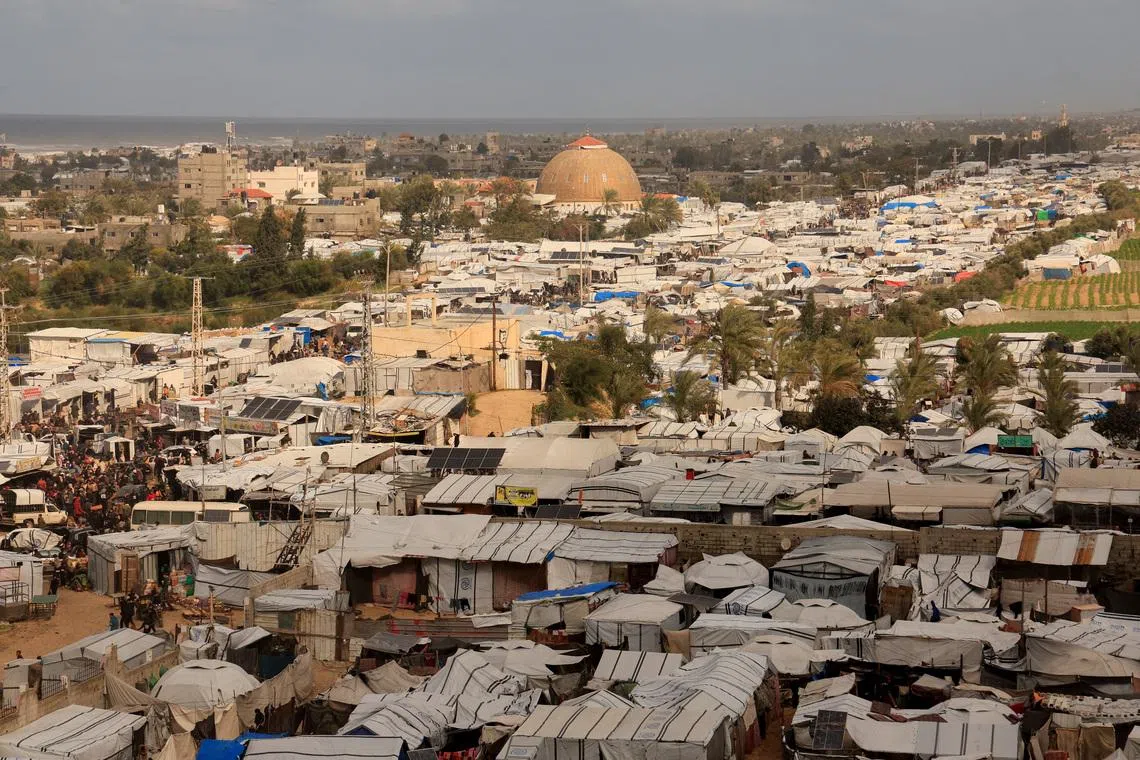
The situation in Gaza remains dire. Israel’s military operations as late 2023 have resulted in widespread destruction, a severe hunger crisis, and the internal displacement of the entire population. Multiple rights experts, scholars, and a U.N.inquiry have characterized the situation as potentially amounting to genocide. Israel maintains its actions were taken in self-defense following the October 2023 attacks by Hamas-led militants, which resulted in 1,200 deaths and the abduction of over 250 hostages.
looking ahead
The establishment of the Palestinian Technocratic Government represents a potential turning point in the Israeli-Palestinian conflict. However, the success of this initiative hinges on overcoming the numerous challenges that threaten the fragile ceasefire. Continued diplomatic efforts, coupled with a commitment to addressing the humanitarian crisis in Gaza, will be essential to achieving a lasting and peaceful resolution. The role of the “Board of Peace,” chaired by President Trump, will be closely scrutinized as it navigates the complexities of overseeing Gaza’s transition.
