
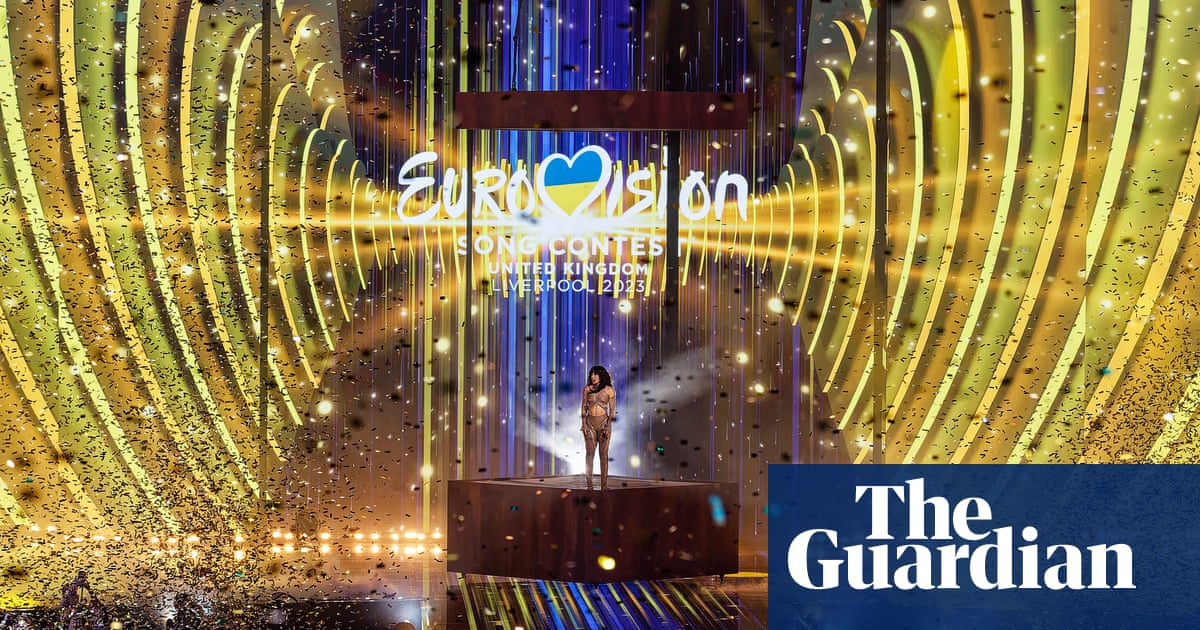
eurovision Celebrates 70 Years with First-Ever Tour Amidst boycott Controversy
As the Eurovision Song Contest prepares to celebrate its 70th anniversary, the European broadcasting Union (EBU) has announced the first-ever official “Eurovision Live Tour,” set to take place across ten European cities this summer.However, the announcement is shadowed by ongoing controversy and boycotts stemming from Israel’s participation in the 2026 competition, held in Vienna, Austria on May 16th. Despite the political turmoil, the EBU is forging ahead with plans to bring the spectacle of Eurovision to fans in a new format.
A Landmark Tour for a Global Phenomenon
The Eurovision Live Tour, scheduled from June 15th to July 2nd, will feature both iconic past performers and artists participating in the 2026 contest. The EBU describes the tour as a celebration of the contest’s rich history,its devoted global fanbase,and seven decades of unforgettable music. Artists will perform their signature Eurovision entries alongside cover versions of beloved songs from the contest’s extensive 70-year catalog. Confirmed cities include London and Paris, promising a notable draw for fans across Europe. NME reports the tour aims to capitalize on the contest’s enduring popularity.
Political Storm Clouds Gather Over Eurovision
The 70th anniversary celebrations are taking place against a backdrop of increasing political tension. Five countries – ireland, Spain, Iceland, the Netherlands, and Slovenia – have announced they will not participate in the 2026 contest due to concerns surrounding Israel’s involvement, directly linked to the ongoing conflict in Gaza. Ireland’s public broadcaster, RTÉ, cited “the appalling loss of lives in Gaza and the humanitarian crisis there” as the primary reason for their withdrawal. The Guardian details the growing pressure on the EBU to address these concerns.
This year’s boycott follows accusations of political manipulation during the 2025 contest in Switzerland, where Israel placed second. The controversy extends to prominent figures within the Eurovision community; Nemo, the 2024 winner, returned their trophy in protest, and Conchita Wurst, a past champion, has announced she will no longer participate in any future Eurovision events, citing a “personal decision” widely understood to be linked to the political climate. The Guardian reported on Nemo’s symbolic gesture.
A History of Political Boycotts
While this year’s boycott is especially prominent, Eurovision has a history of political tensions. Throughout its seven decades, the contest has occasionally been impacted by geopolitical events and disputes.However, the current situation is notable for the coordinated nature of the withdrawals and the intensity of public scrutiny. The Guardian provides a comparative analysis of past boycotts, highlighting the unique challenges facing the EBU this year.
Declining Viewership and Ticket Sales Amidst Controversy
The political fallout appears to be impacting viewership numbers. Only 97,000 fans tuned in to watch the semi-final draw on YouTube, a significant drop from the 240,000+ who watched in the previous year. Despite this decline, the EBU reports a “record sellout of tickets” for the 2026 edition, suggesting that dedicated fans remain engaged despite the controversy. This apparent disconnect between viewership and ticket sales raises questions about the future of the contest’s audience and its ability to navigate complex political issues.
What’s Next for Eurovision?
The launch of the Eurovision Live Tour represents the EBU’s attempt to capitalize on the contest’s enduring appeal while simultaneously navigating a period of significant political challenge. Whether the tour will be successful in diverting attention from the boycott controversy remains to be seen. The EBU faces a delicate balancing act: upholding its commitment to inclusivity and non-political principles while addressing the legitimate concerns of participating broadcasters and fans.The coming months will be crucial in determining the future direction of Eurovision and its ability to remain a unifying force in a divided world.
Key Takeaways:
- Eurovision is launching its first-ever live tour to celebrate its 70th anniversary.
- Five countries are boycotting the 2026 contest due to Israel’s participation.
- The boycott is linked to concerns over the conflict in Gaza and accusations of political manipulation.
- Viewership numbers are down, but ticket sales remain strong.
- The EBU faces a significant challenge in navigating the political controversy and maintaining the contest’s integrity.
