
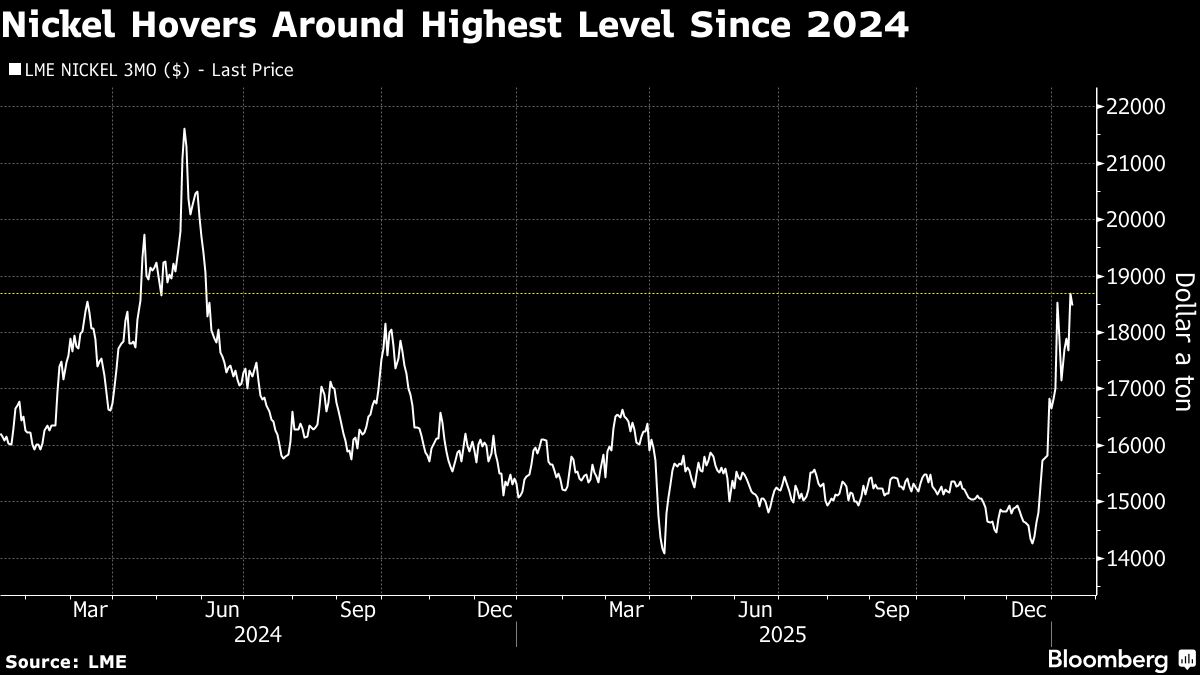
nickel Prices Stabilize as Indonesia Hints at Output Reduction
Nickel prices have recently stabilized near their highest levels as mid-2024, spurred by signals from Indonesia, the world’s leading nickel producer, suggesting a potential decrease in output. This development has significant implications for the global electric vehicle (EV) battery market, stainless steel production, and the broader economic landscape. This article delves into the factors driving this situation, the potential consequences, and what the future may hold for the nickel market.
Indonesia’s Dominance in the Nickel Market
Indonesia has rapidly become the dominant force in the nickel industry, accounting for approximately 60% of global nickel production as of early 2024. This surge in production is largely due to its vast nickel reserves and significant investments in nickel processing facilities, especially for nickel pig iron (NPI) and nickel sulfate – key components in EV batteries. the country’s strategic location and relatively low production costs have further solidified its position.
Factors Behind the Potential Output Reduction
Several factors are contributing to Indonesia’s consideration of reducing nickel output:
- Environmental Concerns: Nickel mining, particularly laterite ore extraction, can have substantial environmental impacts, including deforestation, water pollution, and habitat destruction. Increased scrutiny from environmental groups and the Indonesian government itself is leading to stricter regulations and potential mine closures.
- Downstream Processing focus: Indonesia is actively promoting the development of a fully integrated nickel industry, from mining to refining and battery production. The government aims to maximize the value-add within the country rather than simply exporting raw materials. This strategy may involve curtailing some raw ore exports to encourage domestic processing.
- Price Volatility & Market Stability: Rapid increases in nickel production have, at times, led to price volatility. Indonesia may seek to moderate output to stabilize prices and ensure a more sustainable long-term market.
- Mining Quota issues: In January 2024,Indonesia’s mining minister stated that some companies may not meet their 2024 nickel ore output quotas,perhaps leading to a natural reduction in supply. Reuters reported on this issue, highlighting the challenges faced by miners in securing necessary permits and maintaining production levels.
Impact on nickel Prices and the EV Market
The prospect of reduced nickel supply from Indonesia has already had a noticeable impact on prices. Nickel prices on the London Metal Exchange (LME) (LME) experienced a significant rally in early 2024, reaching levels not seen in over a year. This price increase is particularly crucial for the EV market, where nickel is a vital component of lithium-ion batteries, enhancing energy density and range.
Here’s how the situation could unfold:
- Higher Battery Costs: Increased nickel prices will likely translate to higher production costs for EV batteries, potentially leading to more expensive electric vehicles for consumers.
- Supply Chain Diversification: The situation may accelerate efforts to diversify nickel supply chains. Companies are already exploring nickel mining and processing opportunities in other countries, such as Australia, Canada, and New Zealand.
- Innovation in Battery Chemistry: Rising nickel prices could incentivize research and development into alternative battery chemistries that require less nickel or utilize alternative materials.
- Impact on Stainless Steel: Nickel is also a key ingredient in stainless steel production. Higher nickel prices will increase the cost of stainless steel, impacting industries like construction, automotive, and appliances.
Global Nickel Production Landscape
While Indonesia currently dominates, other significant nickel producers include:
- Philippines: A major supplier of nickel ore, particularly to China.
- Russia: Holds substantial nickel reserves and is a significant producer of nickel metal.
- Canada: A key producer of nickel sulfide, a high-grade nickel ore.
- Australia: A major producer of both nickel sulfide and laterite ores.
- New Caledonia: Possesses significant nickel reserves,but production has faced challenges due to political and social factors.
Future Outlook and Key Considerations
The nickel market is poised for continued volatility in the coming years. Several factors will shape its trajectory:
- EV Adoption Rate: The pace of EV adoption will be a primary driver of nickel demand.Continued growth in the EV market will necessitate a reliable and sustainable nickel supply.
- Indonesia’s policy Decisions: The Indonesian government’s policies regarding nickel mining, exports, and downstream processing will have a profound impact on global supply.
- Geopolitical Risks: Geopolitical events and trade tensions could disrupt nickel supply chains and influence prices.
- Technological Advancements: Breakthroughs in battery technology could alter the demand for nickel and other battery materials.
The current situation underscores the importance of responsible nickel sourcing, sustainable mining practices, and diversification of supply chains to ensure a stable and resilient nickel market for the future.
Key Takeaways
- Indonesia’s potential reduction in nickel output is driving price stabilization at elevated levels.
- Environmental concerns and a focus on downstream processing are key factors behind Indonesia’s considerations.
- Higher nickel prices will likely impact EV battery costs and stainless steel production.
- Diversification of nickel supply chains and innovation in battery chemistry are becoming increasingly crucial.
- The future of the nickel market will depend on EV adoption rates, Indonesian policies, geopolitical factors, and technological advancements.
Publication date: 2026/01/19 15:04:01
