
Navy and Marine Corps Invest in Advanced EOD Robots Amidst Growing Concerns Over Blast Overpressure
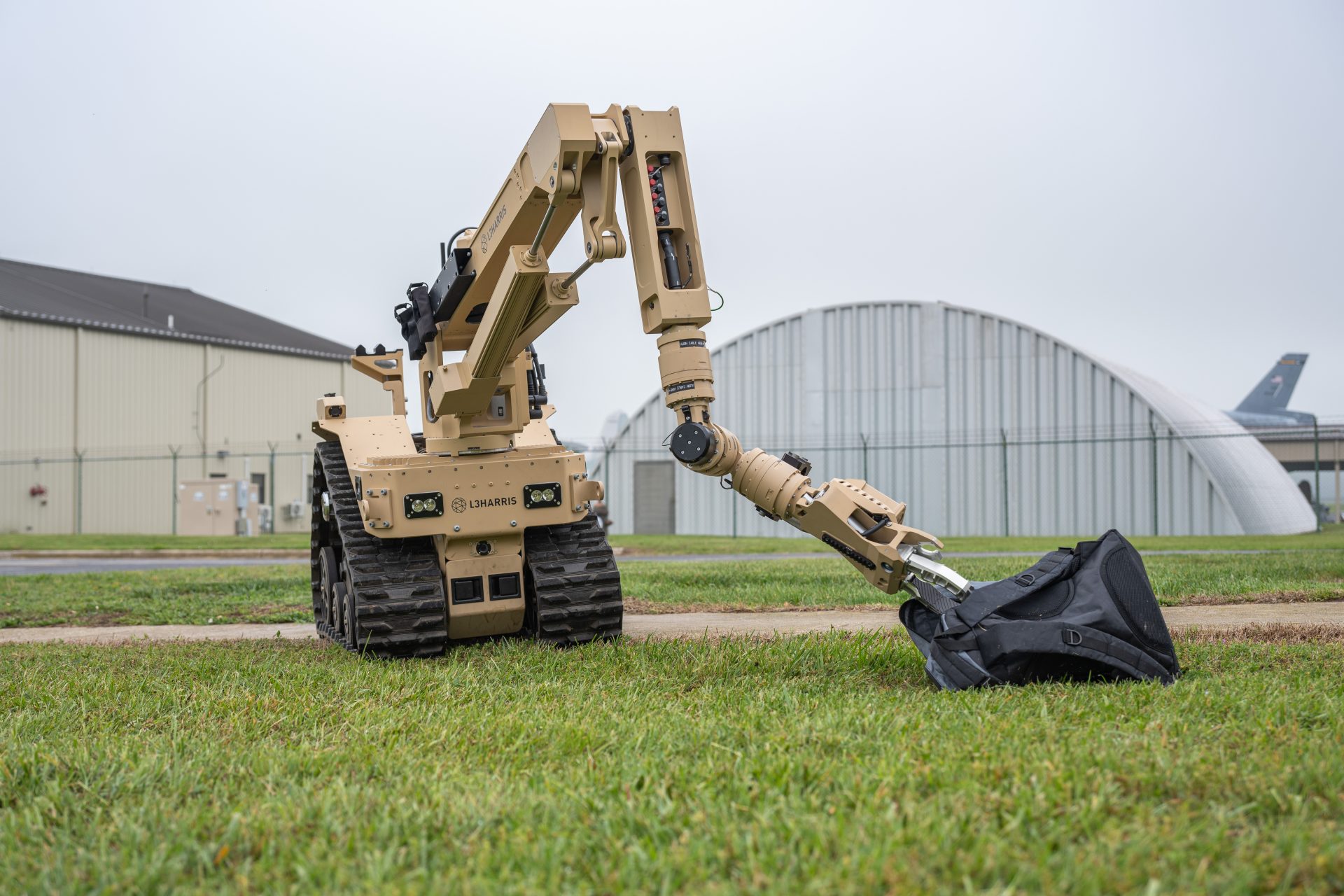
the Navy and Marine corps have recently awarded L3Harris Technologies a contract for 34 T7 explosive ordnance disposal (EOD) robots,signaling a continued commitment to protecting personnel from the dangers of explosive threats. This investment arrives at a critical time, as mounting evidence highlights the long-term health consequences – notably traumatic brain injuries (TBIs) – experienced by EOD technicians and other service members exposed to blast overpressure. This article delves into the details of this acquisition, the growing awareness of blast injury effects, and the broader efforts to mitigate these risks across the military.
The T7 Robot: A Shield Against Explosive Hazards
The T7 robot, a 710-pound tracked vehicle, represents a notable advancement in EOD technology. Designed to handle hazardous materials and improvised explosive devices (IEDs), its primary function is to keep human operators at a safe distance from potential explosions. This isn’t simply about disarming a bomb; it’s about minimizing the risk of exposure to the often-overlooked, yet devastating, effects of blast overpressure. The robot’s capabilities include robust mobility for navigating challenging terrains and precise manipulation tools for handling sensitive objects. L3Harris emphasizes the intuitive control systems, allowing operators to effectively manage the robot even in high-stress situations.
Deliveries of the T7 robots are slated to begin this year,adding to the growing fleet already in use by the Air Force,which ordered 100 units in 2021. This widespread adoption underscores the increasing recognition of the value of robotic solutions in mitigating risk to personnel.
The Hidden Threat: Understanding Blast Overpressure
For years, the focus in countering IEDs during the Global War on Terror was primarily on detection and disarming. While remote systems were employed, EOD technicians were still frequently exposed to the shockwaves generated by explosions. It’s now understood that this exposure, known as blast overpressure, can have profound and lasting effects on both the physical and mental health of service members.
Blast overpressure isn’t just about the immediate, visible damage. It’s the invisible, insidious impact of the pressure wave traveling through the body. This can cause a range of issues, including:
- Traumatic Brain Injury (TBI): Even without a direct impact, the pressure wave can cause the brain to move within the skull, leading to concussions and other forms of TBI.
- Neurological issues: Long-term exposure can contribute to chronic headaches, memory problems, and cognitive decline.
- Physical Symptoms: Digestive issues, chronic pain, and fatigue are frequently reported by those exposed to blast overpressure.
- Mental Health Concerns: Increased rates of anxiety, depression, and post-traumatic stress disorder (PTSD) have been linked to blast exposure.
A Disturbing Trend: EOD Technicians and Rising Suicide Rates
Recent investigative reporting has brought the severity of the issue into sharp focus. Data obtained by The Assembly, a North Carolina news site, revealed a deeply concerning trend: Army EOD technicians experienced the highest rate of suicide and illness-related deaths within the entire service. The data showed these specialists died by suicide at up to twice the rate compared to other soldiers.
The report detailed not only the tragic loss of life but also the widespread physical and psychological suffering experienced by EOD technicians. Many reported experiencing unexplained physical symptoms, such as digestive problems and chronic pain, which thay attribute to repeated exposure to blasts.This has prompted a critical reevaluation of the long-term health risks associated with this vital, yet dangerous, military occupation.
New Research and a Renewed Focus
The urgency of the situation has spurred renewed research efforts.The Uniformed Services University of the Health Sciences (USUHS) recently announced a new phase of research into blast overpressure,expanding its focus to include both male and female EOD technicians. This two-year study will involve baseline assessments of 100 EOD personnel, followed by the use of blast sensors during operations and deployments to gather comprehensive data on blast exposure and its effects.
Beyond EOD: A Military-Wide concern
The issue of blast overpressure isn’t limited to EOD technicians.Recent reporting by The New York Times has highlighted similar health concerns among mortarmen and tankers, demonstrating the widespread nature of the problem. The Army is actively seeking solutions to mitigate these risks, particularly for personnel operating in enclosed or semi-enclosed structures during training exercises.
The Army’s research initiative, detailed on ERDC WERX, aims to identify and implement protective measures to reduce the impact of blast overpressure on soldiers. This includes exploring new materials, engineering designs, and training protocols.
looking Ahead: Protecting Those Who Protect Us
The Navy and Marine Corps’ investment in the L3Harris T7 robots is a positive step towards protecting service members from the dangers of explosive threats and, crucially, the frequently enough-invisible harm of blast overpressure. However, it’s just one piece of a larger puzzle. Continued research, improved protective measures, and a heightened awareness of the long-term health consequences of blast exposure are essential to ensuring the well-being of those who serve. The military is beginning to acknowledge the full scope of the problem, and a comprehensive approach – combining advanced technology, rigorous research, and a commitment to the health of its personnel – is vital to safeguarding the future of those who put themselves in harm’s way.
Key Takeaways
- The navy and Marine Corps are investing in 34 L3Harris T7 EOD robots to enhance force protection.
- Blast overpressure is a significant health concern for service members exposed to explosions, leading to TBIs, neurological issues, and mental health problems.
- EOD technicians face disproportionately high rates of suicide and illness-related deaths, potentially linked to blast exposure.
- The Uniformed Services University of the Health Sciences is conducting a new study to better understand the effects of blast overpressure.
- the issue extends beyond EOD, impacting mortarmen, tankers, and others exposed to blasts.
