
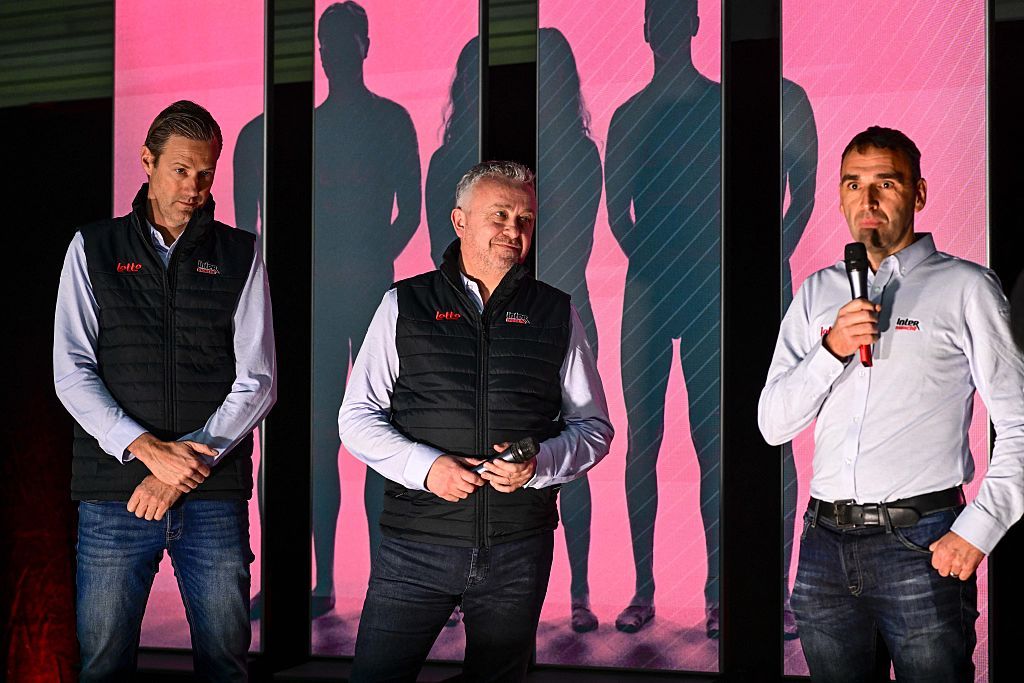
Lotto-Intermarché Merger: A Tumultuous Union and Uncertain Future
The creation of the Lotto-Intermarché cycling team was a complex and often fraught process, as acknowledged by team boss Jean-François Bourlart. “One thing’s certain – I’m in no rush to do the same thing again,” he stated, summing up the arduous journey of merging Intermarché-Wanty and Lotto [1]. The union, born out of financial pressures and strategic realignment, was not without its difficulties, impacting staff, riders, and the overall team dynamic.
Financial Pressures and the Drive to Merge
The merger wasn’t a matter of ambition, but of necessity for Intermarché-Wanty. Following a prosperous 2022 season, highlighted by the emergence of Biniam Girmay, the team struggled to secure the necessary sponsorship to sustain its growing expenses [1]. The escalating costs of professional cycling, coupled with a challenging sponsorship landscape, forced the team to explore alternatives to ensure its survival. This led to initial discussions with Lotto in May, seeking a partnership that would provide financial stability and a pathway to continued success.
A rocky road to Integration
However, the path to integration was far from smooth. The initial discreet negotiations were quickly derailed when news of the potential merger leaked to the media, complicating the process and creating uncertainty within both teams. This lack of transparency led to a period of instability, with riders and staff facing an anxious wait regarding thier futures. Reports surfaced of individuals being let go, onyl to be re-employed shortly after, a testament to the complex restructuring underway [1]. the situation was described bluntly by former Lotto rider Thomas De Gendt as “a bit of a shitshow” [1], highlighting the internal turmoil and lack of clarity during the merger process.
UCI Scrutiny and Final Approval
The complexities of the merger didn’t go unnoticed by the Union Cycliste Internationale (UCI). According to Bourlart, the UCI had concerns about the project, requiring careful navigation and reassurance to gain their approval [2].Ultimately, the UCI’s approval signaled the viability of the merger, but not before a period of intense scrutiny and negotiation. The final outcome, while securing the future of both teams, came at a cost of internal disruption and uncertainty.
Staffing Changes and Difficult Decisions
The integration process inevitably involved difficult decisions regarding staffing. While Bourlart stated that a “maximum” number of staff members were retained, some positions were eliminated [1].The UCI’s prioritization of riders from the Lotto team further complicated matters, influencing personnel decisions and adding to the challenges of creating a unified team culture. bourlart acknowledged the difficulty of these decisions, stating, “It wasn’t the most fun part of the operation,” but emphasized the pride in the final team composition.
The Girmay Factor and Budget Realities
The departure of biniam Girmay to NSN for a three-year deal was a significant loss for Lotto-Intermarché [1].Girmay’s impressive performances, including stage wins in the Giro d’Italia and the Tour de France, had substantially increased his market value. Bourlart conceded that the team’s budget limitations played a role in Girmay’s decision, acknowledging the financial constraints that prevented them from matching offers from teams with larger budgets. With Girmay reportedly earning around €1 million annually,the financial realities of maintaining a top-tier rider became a critical factor.
Looking ahead: A New Chapter for Lotto-Intermarché
Despite the challenges,Lotto-Intermarché is now focused on building a successful future. The goal is to leverage the strengths of both former teams, creating a synergy that exceeds the sum of its parts.Bourlart expressed optimism, stating, “One plus one doesn’t add up to three, but we’ll try to get as close as we can in that direction” [1]. The team’s success will depend on its ability to foster a cohesive team environment,secure lasting sponsorship,and capitalize on the talent within its ranks. The merger serves as a cautionary tale about the financial pressures facing professional cycling teams and the complexities of navigating such significant organizational changes.
Key Takeaways:
- The lotto-Intermarché merger was driven by financial necessity for Intermarché-Wanty.
- the process was marred by leaks, uncertainty, and difficult staffing decisions.
- The UCI played a crucial role in scrutinizing and ultimately approving the merger.
- Biniam Girmay’s departure highlighted the team’s budget limitations.
- The future success of Lotto-Intermarché hinges on synergy, sponsorship, and talent growth.
