
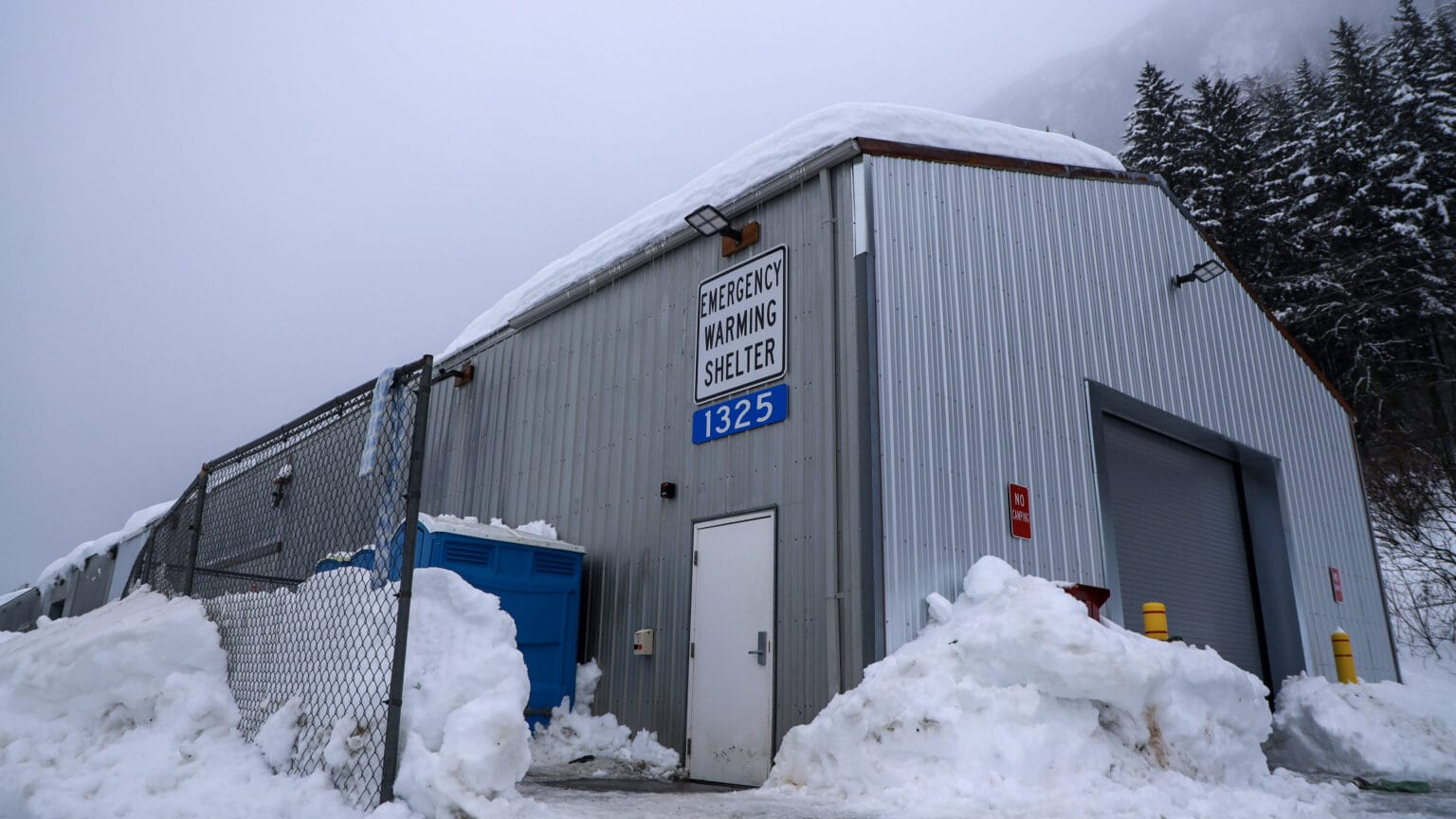
Juneau’s Warming Shelter Navigates Avalanche risk and Multiple Relocations
Juneau, Alaska, recently faced a challenging situation as increased avalanche risk forced the relocation of its emergency warming shelter for unhoused residents not onc, but three times in just two days. The shelter, operated by St. Vincent de Paul, provides crucial support to approximately 45 individuals each night, offering a safe haven during the harsh Alaskan winter.This event highlights the complex logistical challenges of providing services to vulnerable populations amidst increasingly volatile weather conditions and the importance of community collaboration in disaster response.
Escalating Avalanche Risk Triggers Evacuations
A surge in snowfall followed by rain substantially elevated avalanche danger across Juneau over the weekend. city officials issued evacuation advisories for high-risk areas, including the vicinity of the warming shelter’s primary location on Thane Road. According to Jennifer Skinner, Director of St.Vincent de Paul, the shelter was situated directly below the “red zone” on the city’s avalanche risk map, prompting the initial evacuation order.
“It was intense to realize that we were going to have to relocate our operations,” Skinner stated, emphasizing the urgency of the situation. The team swiftly packed essential supplies, including a refrigerator, preparing for the possibility of prolonged displacement.
A Series of Temporary Shelters
The first relocation took the shelter to the Marie drake building,located between Juneau’s high school and Harborview Elementary School. Though, this temporary solution proved short-lived. As staff completed setting up, they noticed concerning sounds emanating from the roof – cracks and creaks indicating potential structural instability. Following consultation with city officials, a second evacuation was ordered, prioritizing the safety of both staff and patrons.
With the Marie Drake building deemed unsafe, the city, in collaboration with the Red Cross of Alaska, identified Centennial Hall as a potential shelter. However, concerns arose regarding co-housing the warming shelter patrons with individuals already utilizing Centennial Hall, specifically related to potential drug use and hygiene issues.Ultimately, Sít’ Eetí Shaanáx – Glacier Valley Elementary School was chosen as the final temporary location. The school had temporarily closed to allow for snow removal from the roof, making it available for emergency use.
Rapid Response and Community Support
Despite the logistical hurdles, the transition to Glacier Valley Elementary was remarkably smooth. With the assistance of a local moving company, the shelter was fully operational within an hour of completion, ensuring uninterrupted service for those in need. “We didn’t skip a beat,” skinner affirmed, “Our patrons were not impacted at all by having to reset.” Forty-four individuals stayed at the school shelter on its single night of operation.
Fortunately, the situation stabilized on Saturday when city officials determined the original Thane warehouse location to be safe for re-occupancy. This allowed the shelter to return to its usual location, maintaining continuity of services with transportation provided to and from the Glory Hall, wich offers meals and daytime support.
Community Response and Ongoing Concerns
While the rapid relocations understandably raised concerns among some Juneau residents – particularly regarding the temporary housing of vulnerable individuals in an elementary school – Skinner reported an overwhelmingly positive response from the community. She expressed gratitude for the willingness of local businesses and individuals to offer assistance and problem-solving support.
City Manager Katie Koester addressed thes concerns at a recent Juneau Assembly meeting, emphasizing the thorough inspections and cleaning procedures undertaken at the school to ensure the safety of all involved. “We had to make that decision, and we had to make that decision quickly,” she stated, underscoring the urgency of the situation.
Looking Ahead: Avalanche Risk and Winter Preparedness
As of January 14, 2026, the avalanche risk remains high in Juneau, and the city’s evacuation advisory for residents in the Behrends slide path remains in effect. The city continues to monitor the situation closely and coordinate with state agencies to prepare for potential future storms. this recent event serves as a critical reminder of the challenges posed by extreme weather events and the importance of robust emergency preparedness plans, particularly for vulnerable populations. The successful,albeit complex,response in Juneau demonstrates the power of community collaboration and the dedication of organizations like St. Vincent de Paul in ensuring the safety and well-being of all residents.
Key takeaways:
- Avalanche risk prompted the relocation of Juneau’s emergency warming shelter three times in two days.
- The shelter successfully served an average of 45 individuals nightly throughout the disruptions.
- Community support and rapid response were crucial to ensuring uninterrupted service.
- Ongoing avalanche risk requires continued vigilance and preparedness.
