
Clintons Subpoenaed Amid Epstein Probe: A Deep Dive into the Controversy
January 17, 2026 13:18:09
The House Oversight Committee is embroiled in a contentious battle with former President Bill Clinton and former secretary of State hillary Clinton over their alleged ties to convicted sex offender Jeffrey Epstein. The committee has issued subpoenas seeking their testimony, but the Clintons have refused to comply, leading to threats of contempt of Congress charges. This situation has ignited a political firestorm,raising questions about openness,accountability,and the limits of congressional power.
The Core of the Dispute: Epstein and the Clintons
At the heart of the matter lies the investigation into Epstein’s extensive network and the allegations of sexual abuse and trafficking. Files released by the Justice Department in December 2025— revealing photographs of Epstein traveling with President Clinton—have fueled Republican scrutiny. Clinton maintains he was unaware of Epstein’s crimes and severed ties years ago. Though, republicans, led by House Oversight Chairman James Comer (R-Ky.), are pressing for further investigation, believing the Clintons possess valuable facts.
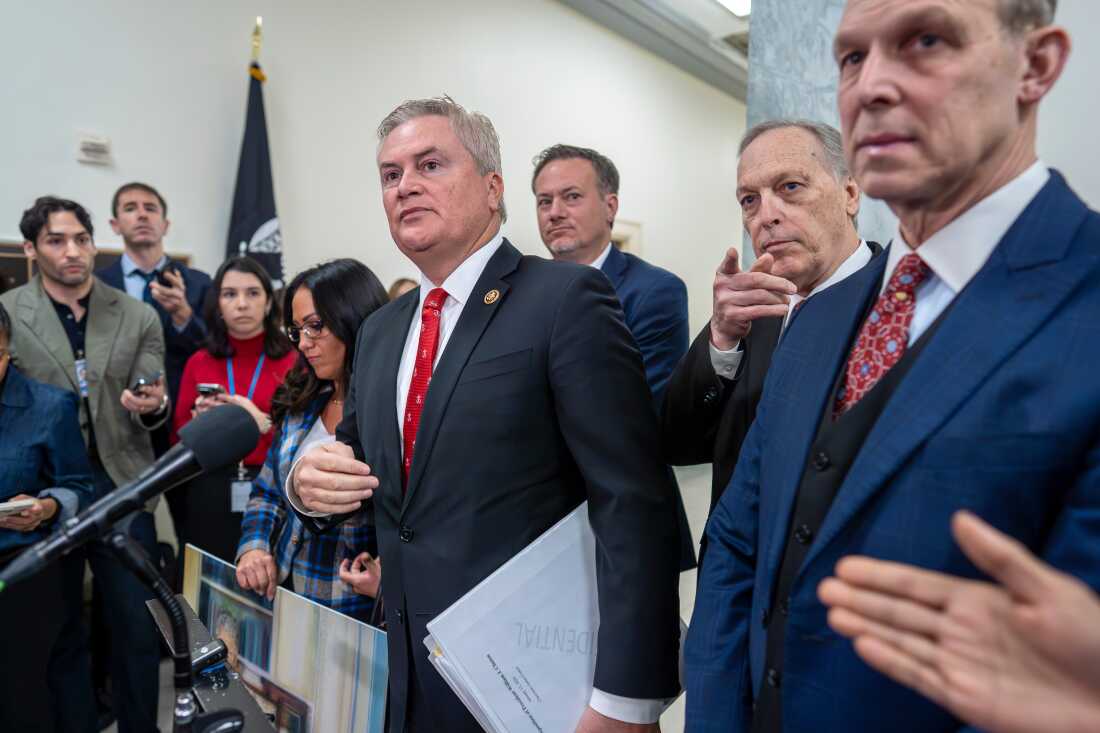
Comer has stated that the inquiry isn’t necessarily about accusing the Clintons of wrongdoing, but rather about a thorough investigation into Epstein’s network. “No one’s accusing the Clintons of any wrongdoing,” Comer told reporters. “I just find it odd not only that they didn’t show up,but that the Democrats on the committee so concerned about getting to the bottom of the Epstein investigation didn’t even bother to show.” However, Democrats argue the subpoenas are politically motivated and designed to damage the Clintons’ reputations.
Contempt of Congress: What it Means and the Potential Consequences
When an individual refuses to comply with a valid congressional subpoena, they can be held in contempt of Congress. This is a serious offense that can result in both civil and criminal penalties. The process typically involves a vote by the full House of Representatives to hold the individual in contempt. if approved, the matter is then referred to the Department of Justice, which decides whether to prosecute.
The stakes are high.If prosecuted and convicted, the Clintons could face fines and even jail time.However, legal experts are divided on whether the justice Department would pursue such a case, given the potential for a protracted legal battle. Moreover, the precedent set by such a prosecution—or the failure to prosecute—could have far-reaching implications for future congressional investigations.
The Broader Context: Congressional Oversight and Executive Power
This situation highlights the ongoing tension between the legislative and executive branches of government, specifically regarding the power of congressional oversight. Congress has a constitutional duty to investigate matters of public concern and hold the executive branch accountable. However, this power is not unlimited.
According to University of Kentucky Law professor jonathan Shaub, congressional subpoenas have increasingly become tools for political scoring rather than genuine information gathering. “In recent decades, it’s become more and more about scoring political points or exposing embarrassing material for the other side and less about getting information that Congress actually needs to legislate.” Shaub also notes that a prosperous prosecution of the clintons could even undermine the power of congressional oversight itself, especially if the investigation lacks a clear legislative purpose.
What is Contempt of Congress?
- A finding by Congress that an individual has defied its authority.
- Can result in civil and criminal penalties, including fines and imprisonment.
- Requires a vote by the full House of Representatives.
- Prosecution is at the discretion of the Department of Justice.
Delayed Release of Epstein Files Adds Fuel to the Fire
Adding to the controversy is the Justice Department’s delay in releasing all the documents related to the Epstein investigation. despite a congressional deadline of December 2025, millions of pages remain unreleased.This delay has drawn criticism from both sides of the aisle, including Rep. Robert Garcia (D-Calif.), who questioned the holdup on social media: “WHERE ARE THE EPSTEIN FILES.” The lack of transparency further intensifies suspicions and raises questions about what the Justice Department might be concealing.
Ancient Precedent: previous Contempt Cases
While rare, contempt of Congress charges have been brought against individuals in the past.Most recently, Steve Bannon and Peter Navarro, close allies of former President Trump, were both sentenced to four months in prison after refusing to cooperate with the House Select Committee investigating the January 6th attack on the U.S. Capitol. These cases demonstrate that Congress is willing to use its contempt power to enforce its authority, although the ultimate outcome depends on the Justice department’s willingness to prosecute.
Looking Ahead: What to Expect
The situation surrounding the Clintons and the Epstein investigation remains fluid. The House Oversight Committee is likely to move forward with a contempt resolution, potentially leading to a vote on the House floor. Whether the Justice Department will pursue prosecution is uncertain, and a legal challenge is almost guaranteed. The delayed release of the remaining Epstein files continues to be a point of contention, promising further scrutiny and debate.
This case underscores the complex interplay between political investigations, legal processes, and the ongoing struggle for transparency and accountability in American government.The outcome will not only have implications for the individuals involved but could also shape the future of congressional oversight and the balance of power between the branches of government.
Key Takeaways:
- The House oversight Committee is pursuing testimony from Bill and Hillary Clinton regarding their ties to Jeffrey Epstein.
- The Clintons have refused to comply with subpoenas, leading to potential contempt of Congress charges.
- The Justice Department’s delay in releasing Epstein-related files has intensified scrutiny and fueled speculation.
- This case highlights the ongoing debate over the scope of congressional oversight and the balance of power between the branches of government.
