
A System Failing those in Crisis: The Dark Side of Right to Choose for ADHD Assessments
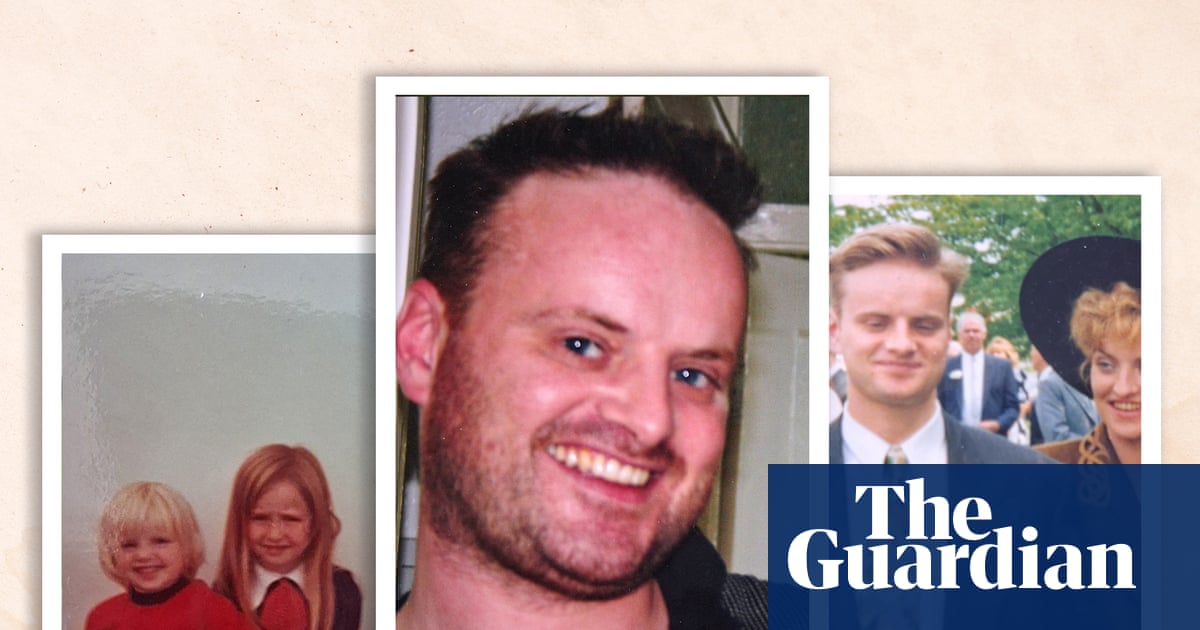
The story of Ryan White, a bright and promising young man who tragically took his own life after struggling to access adequate mental healthcare, is a stark indictment of the current “Right to Choose” pathway within the UK’s National Health Service (NHS). His case,as reported by The Guardian,highlights critical failings in the system designed to improve access to ADHD assessments and treatment,revealing a landscape plagued by administrative chaos,inconsistent quality of care,and a lack of accountability. This article delves into the complexities of Right to Choose, it’s unintended consequences, and the urgent need for reform to prevent further tragedies.
The Promise and Peril of Right to Choose
Introduced in 2018, the Right to Choose initiative aimed to alleviate the immense pressure on NHS waiting lists for mental healthcare, especially for neurodevelopmental conditions like ADHD. The program allows patients to select a private provider for assessment and initial treatment, with the NHS covering the costs. The intention was to offer quicker access to care, but as Ryan White’s experience demonstrates, the reality has been far more problematic.
The core issue lies in the subsequent “shared care” arrangement. After receiving a diagnosis from a private provider, patients rely on thier General practitioner (GP) to prescribe medication and provide ongoing monitoring. However,this shared care is entirely voluntary for GPs. Manny are hesitant to accept diagnoses from private providers, especially when they perceive a lack of rigorous assessment or concerns about the quality of care. This leaves patients in a precarious position, caught between a private diagnosis the NHS has funded and a GP unwilling to implement the recommended treatment plan.
A “Wild West” of Assessment Quality
Experts are increasingly voicing concerns that the rapid expansion of private ADHD assessments under Right to Choose has outpaced the development of adequate quality control measures. Marios adamou, a consultant psychiatrist and founder of the UK Adult ADHD Network (UKAAN), describes the situation as a “wild west,” where there is no standardized definition of a “good assessment” or the qualifications required of an assessor. The Guardian reports that this lack of regulation has created opportunities for providers to prioritize profit over patient care, offering “basic level of care” and rushing assessments to maximize throughput.
This concern is echoed by Dr. Jaime Craig, chief of the Association of Clinical Psychologists, who notes frequent concerns about the qualifications and rigor of assessments conducted under the Right to Choose scheme. Instances have been reported where patients were assessed for the wrong conditions – such as autism when a visual impairment was the underlying issue – highlighting the potential for misdiagnosis and inappropriate treatment. The lack of clear guidelines from the National Institute for Health and Care Excellence (NICE) further exacerbates the problem, leaving clinics to rely on varying standards, including those developed by UKAAN, but without a nationally mandated framework.
The Human Cost: Ryan White’s Story
Ryan White’s journey through the system exemplifies the devastating consequences of these systemic failures. After experiencing significant personal tragedies – the loss of his father and sister, and the traumatic discovery of his mother’s death – Ryan sought help for potential mental health issues. Initially treated for bipolar disorder, he suspected a misdiagnosis and pursued an ADHD assessment through Psychiatry UK.
The process was fraught with delays. It took five months to receive a diagnosis,and even then,the need for a community mental health review stalled progress towards treatment. Ryan’s housing instability and escalating distress were met with administrative hurdles and, ultimately, unanswered pleas for help. His GP deregistered him after he voiced his frustration, leaving him without a primary care physician. Tragically, Psychiatry UK continued to send messages even after his death, unaware that their patient had succumbed to his struggles.
Leigh white, Ryan’s sister, poignantly describes his experience as a fight against a system that “demands stability from people who are already in crisis.” His story is a heartbreaking reminder that access to diagnosis is only the first step; effective, coordinated care is essential.
Financial Incentives and the Commodification of ADHD
The Right to Choose scheme has inadvertently created a financial incentive for private providers, leading to concerns about the “commodification” of ADHD. Adamou notes the emergence of “aggressive promotion” tactics, including the distribution of legal templates to GPs threatening legal action if referrals are not granted. This pressure,coupled with the NHS’s drive to lower costs,can lead to compromised care and superficial assessments.
This commodification also fuels a damaging stigma, where individuals seeking diagnosis are accused of “faking it.” The lack of proper triage exacerbates this issue, potentially denying genuine cases the support they desperately need.
What needs to Change?
Addressing the failings of the Right to Choose pathway requires a multi-faceted approach:
- Standardized assessment Criteria: The development and implementation of national, evidence-based standards for ADHD assessment are crucial.
- GP Engagement and Shared Care Agreements: Incentivizing and supporting GPs to participate in shared care arrangements is essential. Clear guidelines and streamlined processes can facilitate collaboration between private providers and primary care physicians.
- increased Oversight and Regulation: The Care Quality Commission (CQC) needs to increase its oversight of private providers offering ADHD assessments, ensuring they meet rigorous quality standards.
- Investment in NHS Services: diverting funding from the Right to Choose scheme towards strengthening NHS ADHD services would allow for the development of thorough, publicly funded care pathways.
- Improved Triage and Access to Support: Implementing robust triage systems can ensure that individuals with genuine needs receive timely access to assessment and treatment.
Looking Ahead
Ryan White’s tragic death serves as a wake-up call. The Right to Choose initiative, while intended to improve access to care, has inadvertently created a system vulnerable to exploitation and prone to failing those who need help the most. Addressing these systemic issues is not merely a matter of policy reform; it is a moral imperative. Only through comprehensive changes can we ensure that individuals like Ryan receive the timely, high-quality care they deserve, and prevent further tragedies from unfolding.
Published: 2026/01/16 13:14:09
