
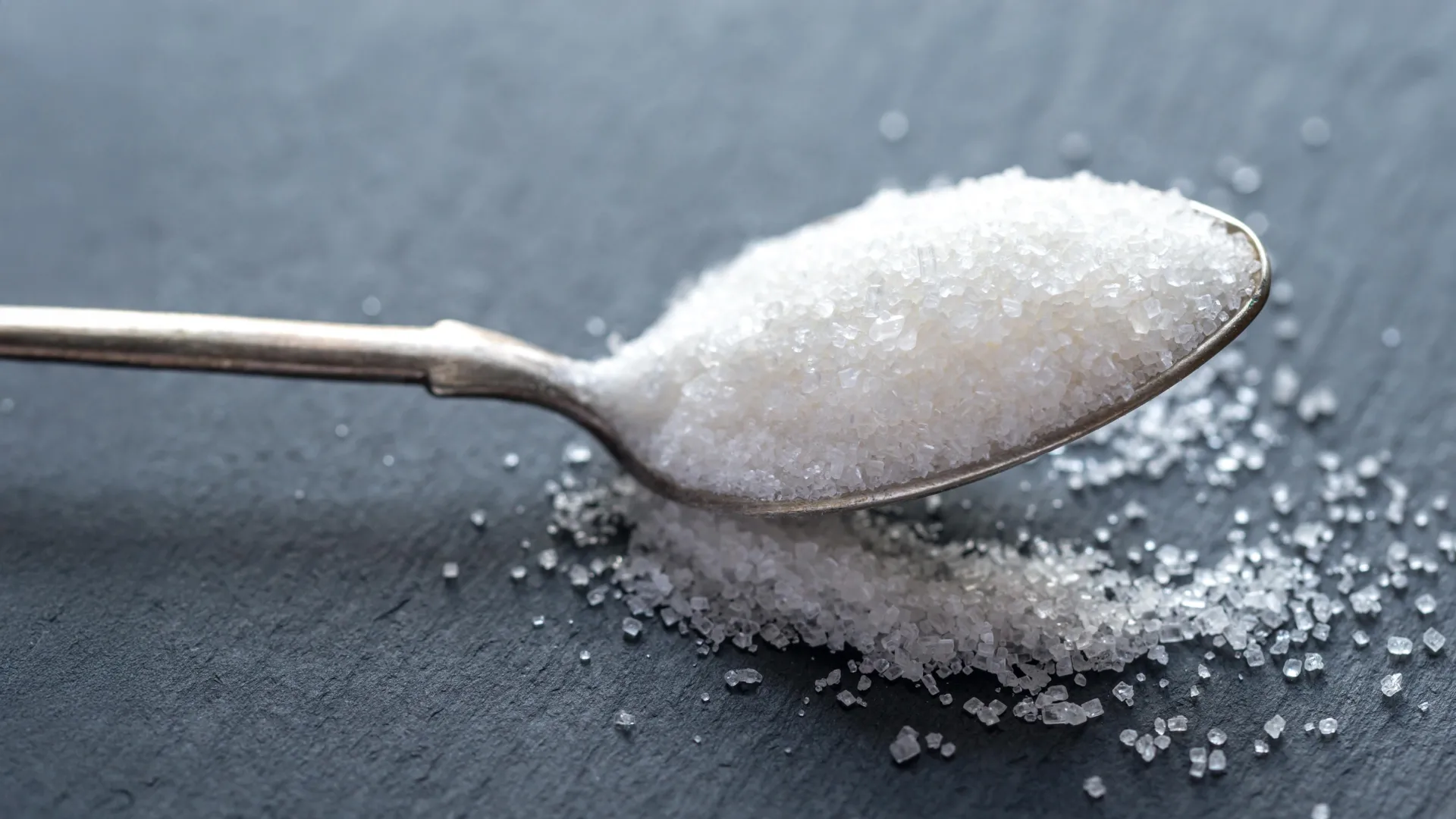
Tagatose: The Next-Generation Sugar That Could Revolutionize Sweetness
For over a century, the quest for a healthy sugar alternative has captivated scientists and food manufacturers. From the early days of saccharin to modern options like stevia and monk fruit, the goal remains consistent: to replicate the pleasurable taste of sugar without the detrimental health consequences. Now, a groundbreaking study published in Cell Reports Physical Science suggests we may be closer then ever, thanks to a novel biosynthetic method for producing tagatose – a naturally occurring, yet remarkably rare, sugar.
What is Tagatose and Why is it Different?
Tagatose is a naturally occurring monosaccharide, or simple sugar, but it’s found in very small quantities compared to common sugars like glucose, fructose, and sucrose. It’s a byproduct of lactose metabolism, appearing in dairy products like yogurt, cheese, and kefir when lactose breaks down thru heat or enzymatic processes. Trace amounts can also be found in fruits such as apples,pineapples,and oranges,but typically comprise less than 0.2% of their sugar content. This scarcity has historically made direct extraction from food sources impractical, leading to its production through manufacturing processes.
The Health Benefits of Tagatose: A Promising profile
What sets tagatose apart isn’t just its taste, which closely mimics sucrose (table sugar), but its metabolic effects. Unlike regular sugar, tagatose offers a compelling combination of reduced calories and potential health benefits. Here’s a closer look:
- Lower Calorie Count: Tagatose provides approximately 92% of the sweetness of sucrose but contains roughly 60% fewer calories.
- FDA-Approved Safety: The Food and Drug Administration (FDA) has classified tagatose as “generally recognized as safe” (GRAS), placing it in the same category as common food ingredients like salt and vinegar.
- Blood sugar Management: Tagatose is metabolized differently than sucrose. A smaller portion is absorbed in the small intestine, while a significant amount is fermented by gut bacteria in the colon. This results in a minimal impact on blood glucose and insulin levels, making it a potentially valuable tool for individuals managing diabetes.Research has demonstrated minimal increases in plasma glucose and insulin after tagatose consumption.
- Oral Health Support: unlike sucrose, which fuels cavity-causing bacteria, tagatose appears to inhibit the growth of these harmful microbes, potentially promoting better oral health. Some studies even suggest probiotic effects, fostering a healthier balance of bacteria in both the mouth and gut.
Engineering a Solution: Tufts University’s Breakthrough
while methods for producing tagatose already existed, they were hampered by inefficiency and high costs. Researchers at Tufts University, led by Associate Professor Nik Nair, have overcome these hurdles with a revolutionary biosynthetic approach. Their strategy centers around genetically engineering Escherichia coli bacteria to function as miniature tagatose factories.
The Power of Enzyme Engineering
“There are established processes to produce tagatose, but they are inefficient and expensive,” explains Nair. The team’s innovation lies in harnessing the power of enzymes. They engineered the E. coli bacteria to express two key enzymes:
- Galactose-1-phosphate-selective phosphatase (Gal1P): This newly discovered enzyme, sourced from slime mold, enables the bacteria to convert abundant glucose directly into galactose.
- Arabinose isomerase: This enzyme then transforms the galactose into tagatose.
This process achieves impressive yields – up to 95% – significantly surpassing traditional manufacturing techniques, which typically range from 40% to 77%. This increased efficiency translates directly into lower production costs.
Tagatose in the Kitchen: A Functional Sweetener
Beyond its health benefits, tagatose stands out as a “bulk sweetener.” This means it not only provides sweetness but also replicates the physical properties of sugar in cooking and baking – a feat many high-intensity sweeteners fail to achieve.Tagatose browns like sugar when heated, delivering a familiar flavor and texture. Taste tests consistently demonstrate its close resemblance to conventional sugar in both flavor and mouthfeel.
The Future of Sweeteners: beyond Tagatose
The implications of this research extend beyond tagatose itself. Nair emphasizes, “The key innovation in the biosynthesis of tagatose was in finding the slime mold Gal1P enzyme and splicing it into our production bacteria. That allowed us to reverse a natural biological pathway that metabolizes galactose to glucose and instead generate galactose from glucose supplied as a feedstock. Tagatose and potentially other rare sugars can be synthesized from that point.” This breakthrough opens the door to the efficient production of other rare sugars, potentially reshaping the entire landscape of sweetener production and offering consumers a wider range of healthier alternatives.
Key Takeaways
- Tagatose is a naturally occurring sugar with a taste profile similar to sucrose but with fewer calories and potential health benefits.
- Tufts University researchers have developed a cost-effective method for producing tagatose using genetically engineered bacteria.
- Tagatose offers advantages for blood sugar management, oral health, and culinary applications.
- This research paves the way for the efficient production of other rare sugars, potentially revolutionizing the sweetener industry.
Publication Date: 2026/01/16 11:11:36
