
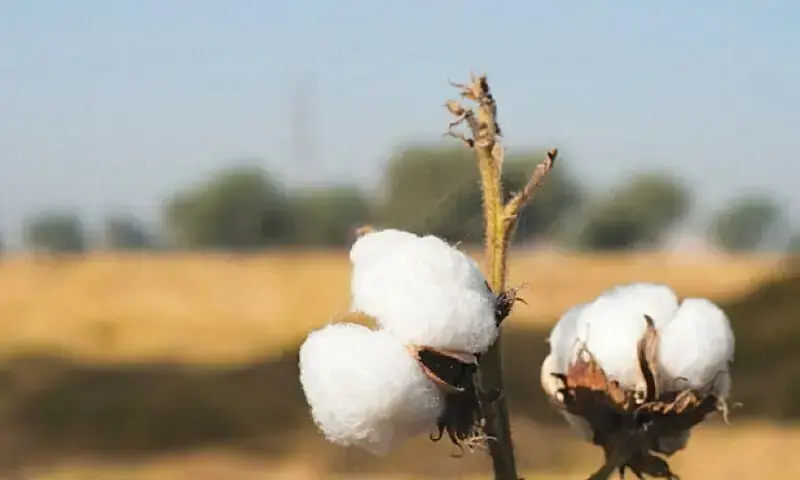
sindh’s cotton Ginning Sector Booms as Punjab Factories Decline
Published January 16, 2026
LAHORE – Sindh’s cotton ginning sector is experiencing an unprecedented surge during the 2025-26 season, fueled by record cotton purchases from Punjab and Balochistan – a trend marking a historic high for Pakistan’s cotton industry. This shift is dramatically reshaping the landscape of cotton processing within the country,with meaningful implications for ginners and textile mills alike.
The Rise of Sindh’s Ginning Capacity
The number of operational ginning factories in Sindh has increased dramatically in recent years. Data from the Pakistan Cotton Ginners Association (PCGA) reveals a ample growth: only 31 ginning factories were active across Sindh as of December 31, 2023. This number rose to 67 by December 31, 2024, and reached a record 82 by December 31, 2025. This expansion signifies a major investment and increased activity within Sindh’s cotton processing infrastructure.
Historically, the major cotton-producing zones of Sindh – including Badin, Thatta, Mirpurkhas, Hyderabad, Umerkot, and Sanghar – traditionally began cotton sowing in February-March, with the ginning season running from June to October-November.During this period, ginners from Punjab frequently purchased cotton from Sindh to supply their own factories. However, this dynamic is now undergoing a significant reversal.
A Reversal of Customary Trade Flows
Over the past two to three years, sindh-based ginners have increasingly been procuring substantial quantities of high-quality cotton from key markets in Punjab – notably rahim Yar Khan, Bahawalpur, Bahawalnagar, Dera Ghazi Khan, Khanewal, and Vehari – as well as from Balochistan. This strategic shift is the primary driver behind the continuous increase in active ginning factories in Sindh at the end of each December. The ability to source higher-quality cotton is allowing Sindh ginners to cater to a broader range of textile mill demands.
Conversely, this large-scale movement of cotton from Punjab to Sindh has resulted in a consistent decline in the number of active ginning factories within Punjab. this inter-provincial shift highlights a essential restructuring of the cotton supply chain within Pakistan.
Punjab’s Declining Ginning Sector
According to PCGA data, Punjab had 210 active ginning factories as of December 31, 2023. This number decreased to 155 by December 2024, and further declined to just 140 by december 2025. these figures suggest a continuing trend of closures and consolidation within punjab’s ginning industry, raising concerns about the long-term viability of cotton processing in the region. Further reductions are anticipated in the coming years if the current trend persists.
Cotton Arrivals and Regional Comparisons
By December 31, 2025, Punjab’s ginning factories had received cotton equivalent to 2.541 million bales, while Sindh recorded arrivals of 2.893 million bales, including 179,000 bales originating from Balochistan. This represents a significant increase in Sindh’s overall cotton intake.
For comparison, on december 31, 2022, Punjab had received 2.718 million bales, while Sindh recorded 1.812 million bales, including 92,000 bales from Balochistan.The data clearly demonstrates a substantial shift in cotton arrival patterns, favoring Sindh in the 2025-26 season. Pakistan Cotton Ginners Association
Market Dynamics and Pricing
Ihsanul Haq, Chairman of the Cotton Ginners Forum, notes that many active ginning factories in Sindh’s cotton zones are now blending high- and medium-quality cotton for ginning. This practice allows textile mills to procure lint at comparatively lower prices,sustaining demand and contributing to rising prices. Over the past week alone, cotton prices have increased by Rs200 to Rs300, rising from Rs15,000 to around Rs15,300 per maund, while premium-quality cotton prices have remained relatively stable at around Rs16,000 per maund.
Concerns Regarding Cotton Quality
However, concerns are emerging regarding the quality of lint being produced.Unverified reports suggest that some Sindh ginners are mixing high-quality cotton purchased from Punjab and Balochistan with waste cotton to increase production volume. This practice has already prompted complaints from textile mills and raises questions about the overall quality of Pakistani cotton. Maintaining quality standards is crucial for the long-term competitiveness of the Pakistani textile industry.
Key Takeaways:
- Sindh’s ginning sector is experiencing unprecedented growth,driven by increased cotton purchases from Punjab and Balochistan.
- Punjab’s ginning sector is contracting, with a significant decline in the number of active factories.
- The shift in cotton flows is impacting pricing and raising concerns about lint quality.
- the trend highlights a fundamental restructuring of Pakistan’s cotton supply chain.
The evolving dynamics of Pakistan’s cotton ginning sector demand close monitoring. Addressing concerns about cotton quality and ensuring fair trade practices will be critical for sustaining the industry’s growth and maintaining the competitiveness of Pakistani textiles in the global market. Future analysis will need to focus on the long-term implications of this inter-provincial shift and the potential for policy interventions to support both Sindh’s burgeoning ginning sector and the struggling mills in Punjab.
