
Adelaide Writers’ Week Cancelled Amidst Controversy Over Author Disinvitation
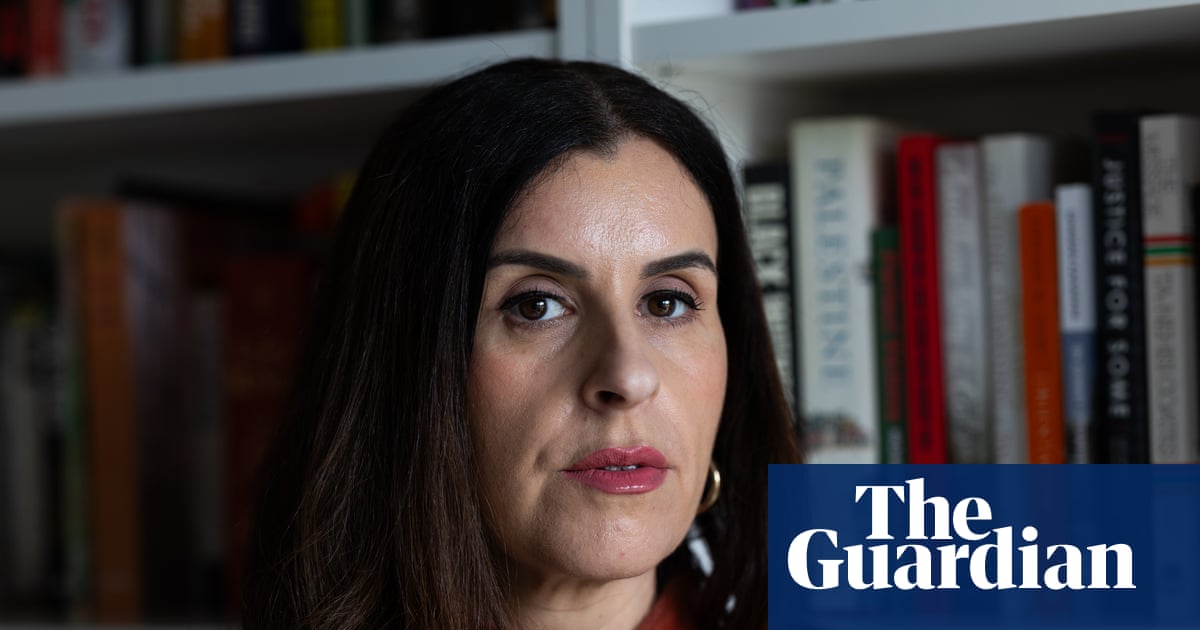
Adelaide Writers’ Week 2026 has been cancelled following a tumultuous period marked by widespread protest and mass resignations. The decision to revoke the invitation for Palestinian-Australian author Randa Abdel-Fattah to participate in the event sparked a cascade of withdrawals from authors, speakers, and ultimately, the entire festival board. The cancellation underscores a growing debate surrounding freedom of expression, cultural sensitivity, and the role of political considerations in artistic programming.
the Disinvitation and Initial Backlash
The controversy began on January 8th,2026,when the Adelaide Festival board announced it’s decision to disinvite abdel-Fattah. The stated reason, cited as “cultural sensitivities” in the wake of the Bondi attack on a jewish community center , immediately drew criticism. Many viewed the move as a form of censorship and a suppression of Palestinian voices.
Abdel-Fattah is a prominent author known for her young adult novels exploring themes of identity, Islamophobia, and social justice. Her work often engages with complex political issues, and her inclusion in the festival was anticipated by many.The decision to remove her from the program was perceived by numerous writers and literary figures as a dangerous precedent,signaling a chilling effect on open dialog and artistic freedom.
A Wave of Withdrawals and Resignations
The disinvitation quickly ignited a boycott, with over 180 authors and speakers announcing their withdrawal from adelaide Writers’ Week . This mass exodus included high-profile names, considerably diminishing the event’s appeal and viability. Notable authors who withdrew included Jacinda ardern, demonstrating the breadth of the protest.
The crisis deepened as the festival board itself began to unravel. First, Louise Adler, the director of Adelaide Writers’ Week, resigned in protest, stating, “I cannot be party to silencing writers” . Afterward, the entire board – with the exception of one member whose term was nearing its end – resigned their positions, citing the untenable situation and the damage to the festival’s reputation.
Cancellation and Apology
Faced with a near-total collapse of the program and the loss of its leadership, the Adelaide Festival board announced on Tuesday the cancellation of Adelaide Writers’ Week 2026 .in a statement, the board apologized to Abdel-Fattah “for how the decision was represented,” while reiterating that the initial decision was not motivated by identity or dissent, but by concerns surrounding freedom of expression in the context of a recent terrorist attack.
However,this explanation did little to quell the criticism. Adler, in comments to guardian Australia, described the situation as a “masterclass in poor governance,” highlighting the extent of the damage caused by the board’s actions. She noted that with 70% of writers having withdrawn, the event was simply impossible to salvage.
Broader Implications and Political Context
The cancellation of Adelaide Writers’ week has sparked a wider conversation about the balance between cultural sensitivity, freedom of speech, and the potential for political interference in artistic events. South Australian Premier Peter Malinauskas found himself at the center of the controversy, having previously stated his support for the decision to disinvite Abdel-Fattah, despite denying direct influence over the festival board.
This incident echoes a similar situation in 2023, when Adler faced criticism for inviting Palestinian writer Susan Abulhawa. At that time,Malinauskas argued against government intervention in festival programming,stating it would set a “dangerous precedent.” Adler pointed out the apparent inconsistency in his stance, suggesting he was within his rights to object to both invitations without influencing the board’s decisions.
The financial implications of the cancellation are also significant, possibly impacting the state’s tourism sector and its reputation as a cultural hub. The “festival state” now faces the challenge of rebuilding trust and reaffirming its commitment to artistic freedom.
Looking Ahead
The Adelaide festival board has stated that a new board will be formed to focus on ensuring the success of the broader Adelaide Festival, while safeguarding its cultural legacy.However, the events surrounding Adelaide Writers’ Week have left a lasting mark, raising critical questions about the responsibilities of festival organizers, the limits of cultural sensitivity, and the importance of protecting artistic expression. the incident serves as a stark reminder of the fragility of these principles and the need for robust safeguards against censorship and political interference in the arts.
Key Takeaways:
- The cancellation of Adelaide Writers’ Week 2026 stemmed from the disinvitation of author Randa Abdel-Fattah.
- The decision to disinvite Abdel-Fattah was justified by the festival board as a response to “cultural sensitivities” following a terrorist attack.
- The disinvitation triggered a mass boycott by authors and speakers, leading to the resignation of the entire festival board.
- The incident raises important questions about freedom of expression, censorship, and the role of politics in artistic programming.
- The cancellation has significant financial and reputational implications for the state of South Australia.
