
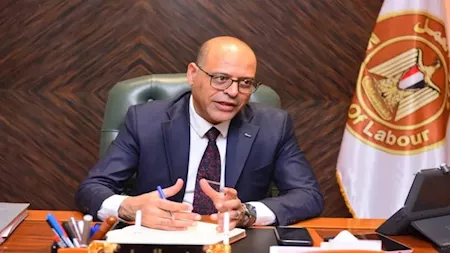
Egypt Extends Crucial Support to Informal Workers with Over EGP 3.1 Million in Aid
Cairo, Egypt – January 15, 2026 – Egypt’s Ministry of Labor has approved teh disbursement of EGP 3.135 million (approximately $102,000 USD as of January 15, 2026) to provide vital social, healthcare, and accident compensation to 443 informal workers across 23 governorates. This initiative underscores the government’s commitment to bolstering social safety nets and protecting vulnerable populations, notably those operating outside the formal employment sector.
expanding Support for Egypt’s Informal Workforce
The declaration, made by Minister of Labour Mohamed Gibran, highlights a growing recognition of the challenges faced by Egypt’s significant informal workforce. Informal workers, frequently enough lacking the benefits of customary employment like health insurance and social security, are particularly susceptible to economic hardship and unforeseen circumstances. This latest aid package aims to mitigate some of those risks.
Breakdown of the Aid Package
The EGP 3.135 million is allocated across several key areas:
- Social and Healthcare Assistance (EGP 1.759 million): This portion benefits 264 workers and covers essential needs such as grants for marriage, childbirth, and bereavement support. Crucially, it also provides financial assistance for both major and minor surgeries, easing the burden of medical expenses.
- accident Compensation (EGP 1.22 million): A tragic factory fire in the Gharbia governorate prompted a important portion of the aid. The families of six workers who lost their lives in the incident will each receive EGP 200,000 (approximately $6,500 USD), while the one injured worker will receive EGP 20,000 (approximately $650 USD).
- Healthcare Expenses (EGP 156,140): This funding, benefiting 172 workers across five governorates, will cover the costs of essential healthcare services, including medical examinations, treatments, laboratory tests, and diagnostic scans.
The Gharbia Factory Fire: A Catalyst for Action
The devastating factory fire in Gharbia governorate served as a stark reminder of the dangers faced by workers in informal settings. Frequently enough lacking adequate safety regulations and protections,these workplaces can be particularly vulnerable to accidents. The swift response from the Ministry of Labour,providing substantial compensation to the victims’ families,demonstrates a commitment to addressing these risks and providing a safety net for those affected.
Government Commitment to Social Protection
Minister Gibran emphasized the ministry’s ongoing commitment to expanding social protection programs for informal workers nationwide.This expansion aligns with broader government efforts, guided by President Abdel fattah Al-Sisi, to support vulnerable groups and foster social stability. The government recognizes that investing in the well-being of its citizens, regardless of their employment status, is crucial for sustainable development.
Understanding Egypt’s Informal Economy
Egypt’s informal economy is a significant component of the nation’s economic landscape. According to estimates,it accounts for a substantial percentage of employment and economic activity. workers in this sector often include day laborers, street vendors, and those employed in small, unregistered businesses. Providing social protection to this group is a complex challenge, but one that the Egyptian government is increasingly prioritizing.
Looking Ahead: Strengthening Support for Informal Workers
The disbursement of this EGP 3.135 million is a positive step, but sustained and expanded efforts are needed to address the challenges faced by Egypt’s informal workforce. Future initiatives may include:
- Expanding Access to Social Insurance: Developing affordable and accessible social insurance schemes specifically tailored to the needs of informal workers.
- Improving Workplace safety: Strengthening regulations and enforcement to ensure safer working conditions in informal workplaces.
- Skills Development Programs: Providing training and skills development opportunities to help informal workers increase their earning potential and transition to formal employment.
By continuing to invest in social protection programs and address the underlying challenges faced by informal workers, egypt can build a more inclusive and equitable society.
