
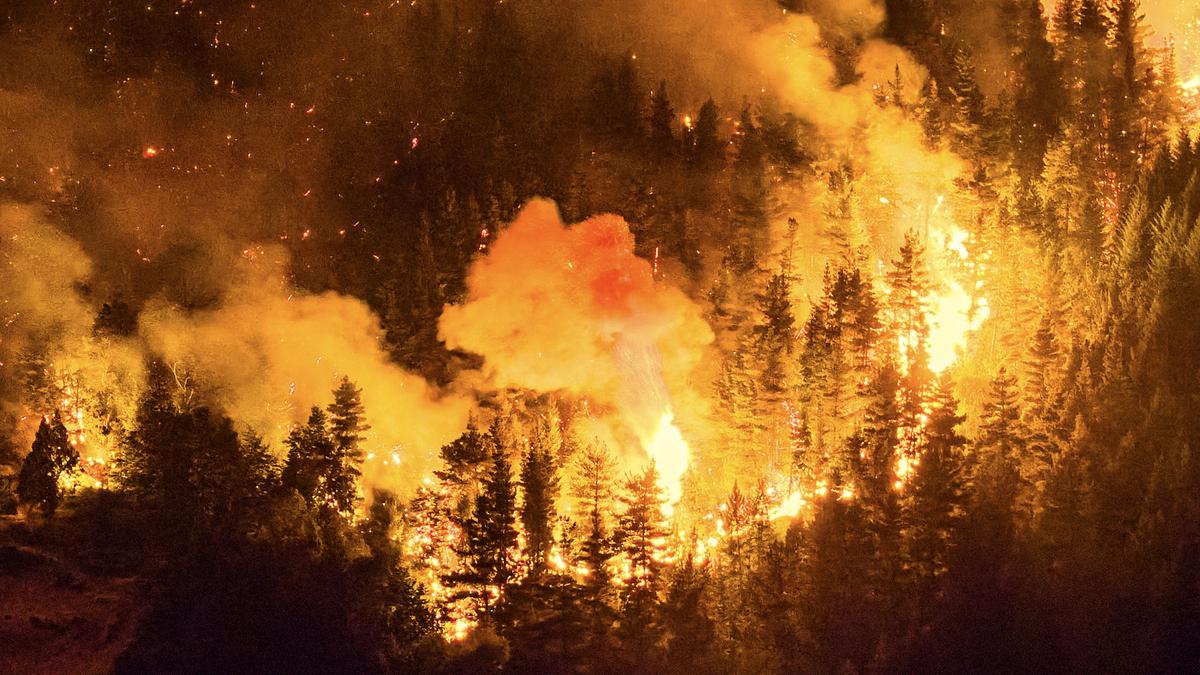
Argentine Patagonia Wildfires: A Deep Dive into the Crisis
Devastating wildfires are currently sweeping through the Argentine Patagonia,consuming nearly 12,000 hectares of
valuable scrubland,planted forests,and native ecosystems.The situation poses a direct threat to local
communities, critical infrastructure, and the region’s unique biodiversity. This article provides an in-depth
analysis of the fires,their causes,the ongoing response,and the broader context of increasing wildfire risk in
Patagonia.
The Current Situation: Flames Across Chubut and Beyond
The fires initially ignited almost a week ago in the Andean region of Chubut province, quickly spreading due to dry
conditions and strong winds. As of January 12, 2026, the blazes are jeopardizing a power plant and a school,
alongside numerous rural properties. Active wildfires are not limited to Chubut; the neighboring province of
neuquén also faces significant fire fronts. While Santa Cruz and Río Negro provinces have reported containment, they
remain under emergency status, demonstrating the widespread nature of the threat.
The scale of the response is substantial, with 295 firefighters currently deployed. This includes a crucial aerial
component of 15 aircraft providing water and retardant drops, alongside fire engines and extensive logistical support
from the Argentine Armed Forces. Despite these efforts, challenging conditions continue to hamper containment.
Impact on Local Communities
The immediate impact on local communities is profound. Beyond the direct threat to homes and livelihoods, the smoke
from the fires significantly reduces air quality, posing health risks to residents. Evacuations have been considered
in some areas, and the disruption to essential services like power is a growing concern. The emotional toll on
residents witnessing the destruction of their surroundings is also considerable, as expressed by volunteer
firefighter Jorge Aranea, who described the situation as “terrible.”
Investigating the Causes: Accidental or Deliberate?
While the precise causes of the fires are still under examination, there are strong suspicions of arson in at least
one of the major blazes. Chubut Governor Ignacio Torres has publicly stated there are “indications that one of the
biggest active fires was deliberately set,” and has offered a substantial reward of 50 million pesos (approximately
$34,000) for information leading to the arrest of those responsible.
It’s crucial to understand that wildfires can have multiple causes, including:
- Natural Causes: Lightning strikes are a known, though relatively infrequent, cause.
- Human Activity: Accidental ignition from unattended campfires, discarded cigarettes, or machinery sparks.
- Deliberate Arson: Intentional acts of fire-starting, as suspected in this case.
- Agricultural Practices: Burning for land clearing, if not managed properly, can quickly escalate.
A History of Fire: Patagonia’s Increasing Vulnerability
The current wildfires are not isolated incidents. Patagonia has experienced increasingly severe fire seasons in recent
years.Just a year ago, in 2025, the region suffered its worst blazes in decades, resulting in the destruction of
tens of thousands of hectares and tragically claiming one life. This escalating trend highlights the growing
vulnerability of Patagonia to wildfires, driven by a confluence of factors.
The Role of Climate Change and Drought
climate change is widely recognized as a major contributor to the increasing frequency and intensity of wildfires
globally, and Patagonia is no exception. rising temperatures, prolonged droughts, and changes in precipitation
patterns create ideal conditions for fires to ignite and spread rapidly. The current drought conditions in the region
are exacerbating the situation, leaving vegetation extremely dry and flammable.
Wind Patterns and Fire Behaviour
Patagonia is known for its strong winds, especially during the austral summer.These winds play a critical role in
fire behavior, rapidly accelerating the spread of flames and creating unpredictable fire fronts. They also make
firefighting efforts significantly more challenging, as winds can shift direction unexpectedly and carry embers long
distances, starting new fires.
International aid and Regional Cooperation
The severity of the situation has prompted offers of assistance from neighboring countries. Chilean President Gabriel
Boric offered to help the Argentine government combat the active fire fronts, underscoring the importance of
regional cooperation in addressing transboundary environmental challenges. This support signals a growing recognition
of the need for coordinated responses to wildfire crises.
Looking Ahead: Mitigation and Prevention
Addressing the increasing wildfire risk in Patagonia requires a multifaceted approach that includes:
- Enhanced Fire Prevention Measures: Public awareness campaigns to educate residents and visitors about fire
safety,stricter regulations regarding land clearing practices,and increased monitoring of vulnerable areas. - Improved Fire Detection and Response Systems: Investing in advanced fire detection technology, such as satellite
monitoring and drone surveillance, and ensuring that firefighting resources are readily available. - Forest Management Practices: implementing sustainable forest management practices that reduce fuel loads and
create more resilient ecosystems. This includes controlled burns, thinning of forests, and promoting fire-resistant
vegetation. - Climate Change Mitigation: Addressing the underlying drivers of climate change through global efforts to
reduce greenhouse gas emissions.
Key Takeaways
- Wildfires in Argentine Patagonia are currently consuming nearly 12,000 hectares and threatening communities.
- Arson is suspected as a cause in at least one major fire, with a reward offered for information.
- Climate change and drought conditions are exacerbating the risk of wildfires in the region.
- International aid,particularly from Chile,is being offered to assist with firefighting efforts.
- A extensive approach encompassing prevention, detection, response, and climate change mitigation is crucial.
Published – January 12, 2026 07:24 am IST
