
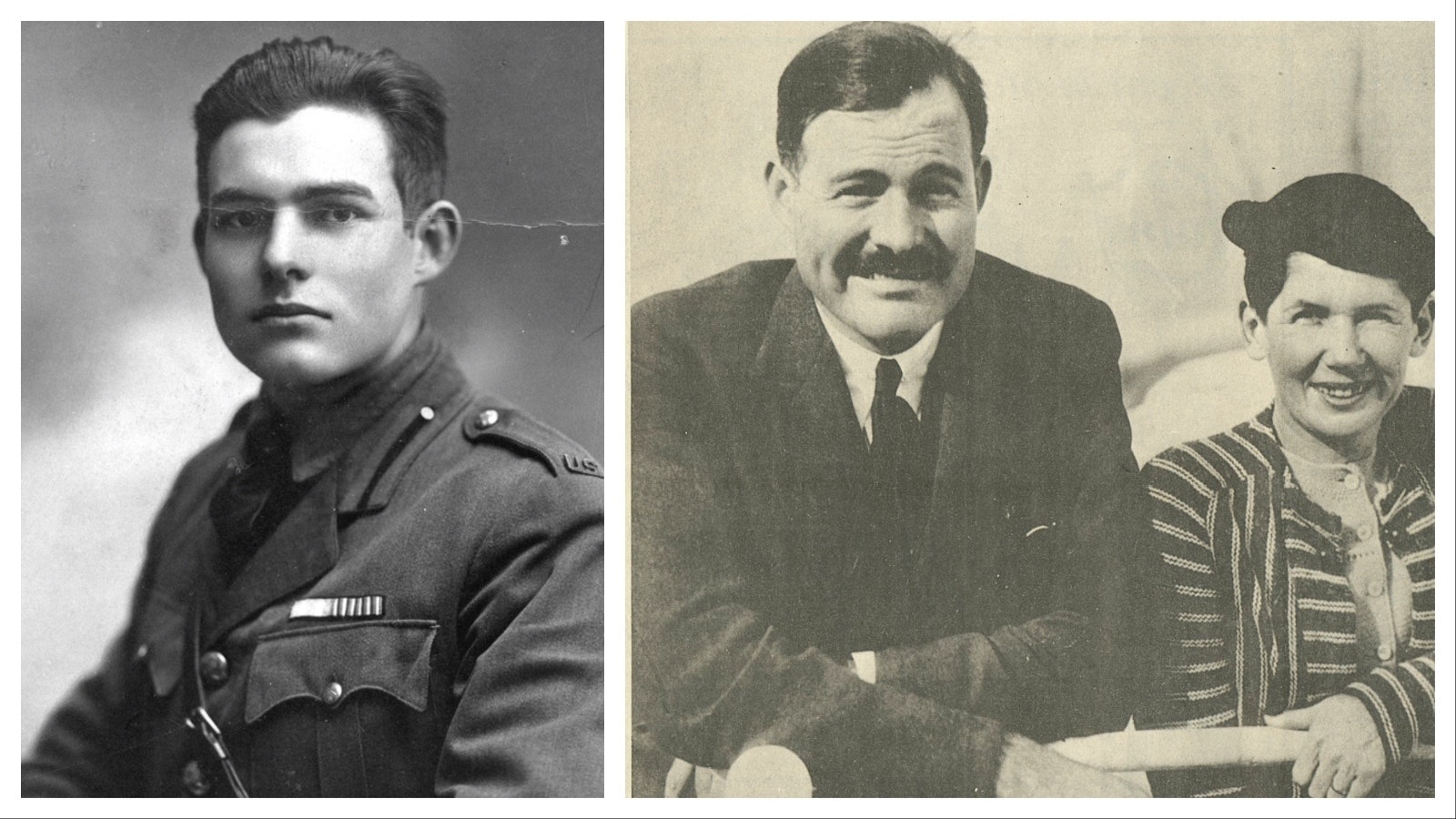
Ernest Hemingway’s Wyoming Haven: How the West sparked Epic Novels
January 13,2026
Ernest Hemingway,the Nobel and Pulitzer Prize-winning author renowned for his concise prose and exploration of themes like courage and loss,found profound inspiration in the vast landscapes and rugged lifestyle of the American West. For over a decade, wyoming served as a crucial escape and creative wellspring for the writer, deeply influencing his work and offering a respite from the complexities of his personal life.This article delves into Hemingway’s enduring connection with Wyoming, exploring how the state’s natural beauty, challenging outdoor pursuits, and unique characters shaped his literary legacy.
A Refuge Found in the Bighorns and Beyond
Hemingway first arrived in Wyoming in the summer of 1928, seeking refuge from the oppressive heat of Key West, Florida, and a temporary escape from marital difficulties. Invited by a friend he’d met during his service as an ambulance driver in World War I, he journeyed to Sheridan, Wyoming, with the intention of completing his novel, A Farewell to Arms. Though, the distractions of the West – its allure and untamed spirit – proved both captivating and challenging to his writing process.
“He was living in Key West when he found Wyoming and Montana,” explains Larry Grimes,a retired West Virginia Bethany College professor and self-described “Hemingway scholar” who has dedicated 60 years to studying the author’s life and work. “I’m saying both states, because Hemingway, like the elk, the bear, and the mule deer he hunted, didn’t know anything about state lines.”
His initial sojourn involved stops at the Upper Folly Ranch in the Bighorn Mountains, a popular summer destination for wealthy Chicago families, and Spear-O-Wigwam cabins. While the Upper Folly Ranch proved too distracting for focused writing, the rugged beauty of the Bighorns began to weave its way into his creativity.
Wyoming as Character and Catalyst
hemingway’s connection to Wyoming wasn’t merely scenic; it was deeply interwoven with his creative process. He found inspiration in the stark landscapes, the demanding physical challenges of hunting and fishing, and the independent spirit of the people he encountered.
“He finished ‘Farewell’ at Spear-O-Wigwam,” Grimes asserts. “He finally got the ending right,and,in that sense,we can say that Wyoming was a powerful inspiration,he found what he needed.”
Judy Slack, a Sheridan librarian and author of Ernest Hemingway: His 1928 Stay in the Bighorn Mountains, corroborates this, noting that Hemingway’s daughter-in-law, Valerie, recounted how he would write 20-30 pages a day while at the Lower Folly Ranch, finding a rare solitude conducive to his work.
Beyond A Farewell to Arms: A Lasting Influence
Hemingway’s relationship with Wyoming extended far beyond the completion of A Farewell to Arms. He returned repeatedly,especially drawn to the L Bar T Ranch on the Wyoming-Montana border in the 1930s. These visits weren’t just about writing; they were about immersing himself in a different way of life. He learned to hunt big game – grizzly bears, elk, bighorn sheep, and mule deer – skills he hadn’t encountered in his earlier life.
“The ranchers at the L Bar T were good teachers,” Grimes explains. “They take him out on hunts while he’s there, and through all of this is a lot of backpacking into lakes, a lot of long stays, several days of fishing, tenting.”
This immersion in the Western lifestyle profoundly impacted his writing. Grimes believes the landscapes and experiences of the Bighorns directly influenced For Whom the Bell Tolls,published in 1940. He points to the character of Robert Jordan, the protagonist, who hails from a town in Montana, as evidence of this connection.
Wyoming’s Role in Hemingway’s Personal Life
Wyoming wasn’t just a source of artistic inspiration; it also played a role in Hemingway’s tumultuous personal life. the state witnessed periods of both family harmony and personal upheaval. He married his second wife,Martha Gellhorn,in Cheyenne in 1940,a brief stopover during their journey.However, the same rugged independence that drew him to Wyoming also contributed to the eventual dissolution of his marriages.
An incident in 1946, while traveling through Wyoming with his fourth wife, Mary Welsh, highlights the unpredictable nature of his life. Welsh required emergency surgery in Casper, leading to an unplanned stay and a testament to the kindness of the local community. As the Casper Tribune-Herald reported at the time, Hemingway was deeply grateful for the care his wife received.
A Lasting Legacy
Ernest Hemingway’s connection to Wyoming was a complex and multifaceted one. The state provided him with a sanctuary, a source of inspiration, and a backdrop for both personal joy and hardship. His experiences in Wyoming shaped his writing, influencing his themes, characters, and overall literary style.
The echoes of Wyoming can be found throughout his body of work, a testament to the enduring power of place and the profound impact of the American West on one of the 20th century’s most iconic authors. His time in Wyoming wasn’t just a chapter in his life; it was integral to the creation of a literary legacy that continues to resonate with readers today.
Key Takeaways:
* Wyoming as Muse: The state’s landscapes and outdoor lifestyle profoundly influenced Hemingway’s writing, particularly A Farewell to Arms and For Whom the Bell Tolls.
* A Refuge from Complexity: Wyoming offered Hemingway a respite from the pressures of fame and the complexities of his personal life.
* Immersion in Western Culture: His experiences hunting, fishing, and interacting with ranchers shaped his understanding of courage, resilience, and the natural world.
* A Personal Connection: Wyoming witnessed key moments in Hemingway’s personal life, including his marriage to Martha Gellhorn and a medical emergency involving his fourth wife.
* Enduring Legacy: Hemingway’s time in Wyoming remains a significant chapter in his biography and a testament to the power of place in shaping artistic expression.
