
The Future of Sports Venues: Why Mixed-Use Developments Are Essential
published: 2026/01/09 05:50:16
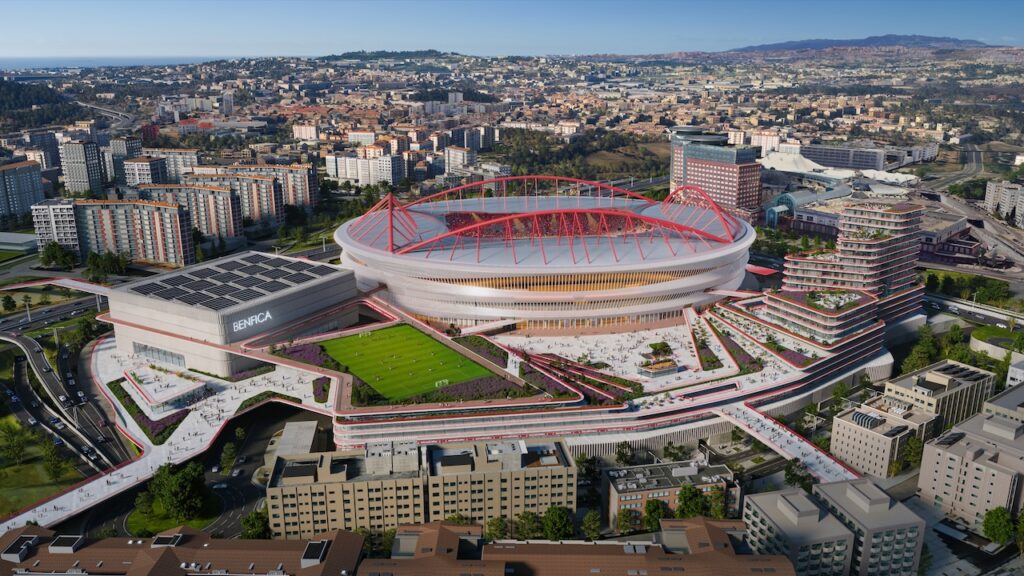
For decades, the traditional sports stadium stood as a largely isolated structure – vibrant on game days, but often deserted the rest of the week. That model is rapidly evolving. Today, leading design and architecture firms like Populous are championing a new vision: venue-anchored, mixed-use developments. These projects are no longer simply about building a place to watch a game; they’re about creating dynamic, year-round destinations that drive urban regeneration, deepen fan engagement, and ensure long-term financial sustainability for both teams and cities. This article dives into the core reasons why this shift is happening and what it means for the future of sports and urban life.
The Evolving Landscape of Sports venues
The traditional, single-purpose stadium is increasingly becoming a financial burden for cities. Maintaining such large structures when not in use is costly, and their limited function often hinders their contribution to the broader urban fabric. This is where the concept of mixed-use development comes in. It’s a strategic approach that integrates a sports venue with a variety of other amenities,such as residential spaces,hotels,retail outlets,restaurants,and even office buildings. The goal is to create a self-sustaining ecosystem that thrives 365 days a year.
Why Mixed-Use Developments Matter: Five Key reasons
Populous identifies five primary drivers behind the rise of venue-anchored mixed-use developments:
- Urban Regeneration: These developments act as catalysts for revitalizing surrounding areas. They attract investment, create jobs, and improve the overall quality of life for residents.Projects like The Battery Atlanta, surrounding Truist Park (home of the Atlanta Braves), demonstrate how a carefully planned mixed-use district can transform a previously underutilized area into a bustling community hub.
- Enhanced Fan Engagement: Mixed-use developments extend the fan experiance beyond the game itself.Pre- and post-game activities become more immersive and engaging, fostering a stronger sense of community among fans. Imagine arriving hours before a game to enjoy a meal, browse local shops, or attend a concert – all within steps of the stadium.
- Financial Sustainability: Diversifying revenue streams is crucial for the long-term financial health of sports organizations. Rental income from residential and commercial spaces, along with increased spending at on-site businesses, provides a stable and predictable revenue base that isn’t solely reliant on ticket sales and broadcast rights.
- Creating a Destination: These developments transform stadiums from event-day destinations into year-round attractions. This increased activity benefits local businesses and enhances the city’s tourism appeal.
- Community Integration: Well-designed mixed-use developments integrate seamlessly with the surrounding community, creating a sense of belonging and shared ownership. This involves thoughtful planning that considers the needs and preferences of local residents.
Beyond the Basics: Expanding the Mixed-use Concept
The concept of mixed-use development isn’t limited to simply adding retail and residential spaces around a stadium. Innovative projects are pushing the boundaries of what’s possible. Here are some emerging trends:
- esports arenas: Recognizing the growing popularity of esports, some developments are incorporating dedicated esports arenas and training facilities.
- Medical and Wellness Centers: Integrating healthcare facilities provides valuable services to the community and generates additional revenue.
- Innovation Districts: Clustering tech companies and startups around a venue can foster innovation and attract a skilled workforce.
- Public Spaces & Parks: Creating vibrant public spaces, parks, and plazas enhances the overall experience and encourages community interaction.
The Economic Impact: A Deeper Dive
The economic benefits of mixed-use developments extend far beyond the immediate vicinity of the venue. Studies have shown that these projects can generate critically important increases in property values, tax revenues, and tourism spending. For instance, a report by the Urban Land Institute found that well-planned sports-anchored developments can create thousands of jobs and contribute millions of dollars to the local economy annually [1]. Moreover,these developments can attract new businesses and residents,further stimulating economic growth. The long-term economic impact is a crucial factor for cities considering investing in such projects.
Challenges and Considerations
while the benefits of mixed-use developments are clear, there are also challenges that need to be addressed. These include:
- Financing: Securing funding for large-scale mixed-use projects can be complex and require a combination of public and private investment.
- Planning and Zoning: Navigating local planning and zoning regulations can be time-consuming and require careful negotiation.
- Community Engagement: It’s crucial to engage with the local community throughout the planning process to address concerns and ensure that the development meets their needs.
- Traffic and Parking: Managing traffic flow and providing adequate parking are essential to ensure a positive experience for both event attendees and residents.
Looking Ahead: The Future of Sports and urban Life
The trend towards venue-anchored mixed-use developments is set to continue as sports organizations and cities recognize the mutual benefits. The future of sports venues is no longer about simply building bigger and better stadiums; it’s about creating dynamic, integrated destinations that enhance the fan experience, drive economic growth, and contribute to the vitality of urban communities. As Populous and other leading design firms continue to innovate,we can expect to see even more ambitious and transformative projects emerge in the years to come.
Key Takeaways
- Mixed-use developments are becoming essential for the financial sustainability of sports venues.
- These projects drive urban regeneration and create vibrant community hubs.
- Enhanced fan engagement is a key benefit, extending the game-day experience.
- Careful planning and community engagement are crucial for success.
- The future of sports venues lies in integration and innovation.
