
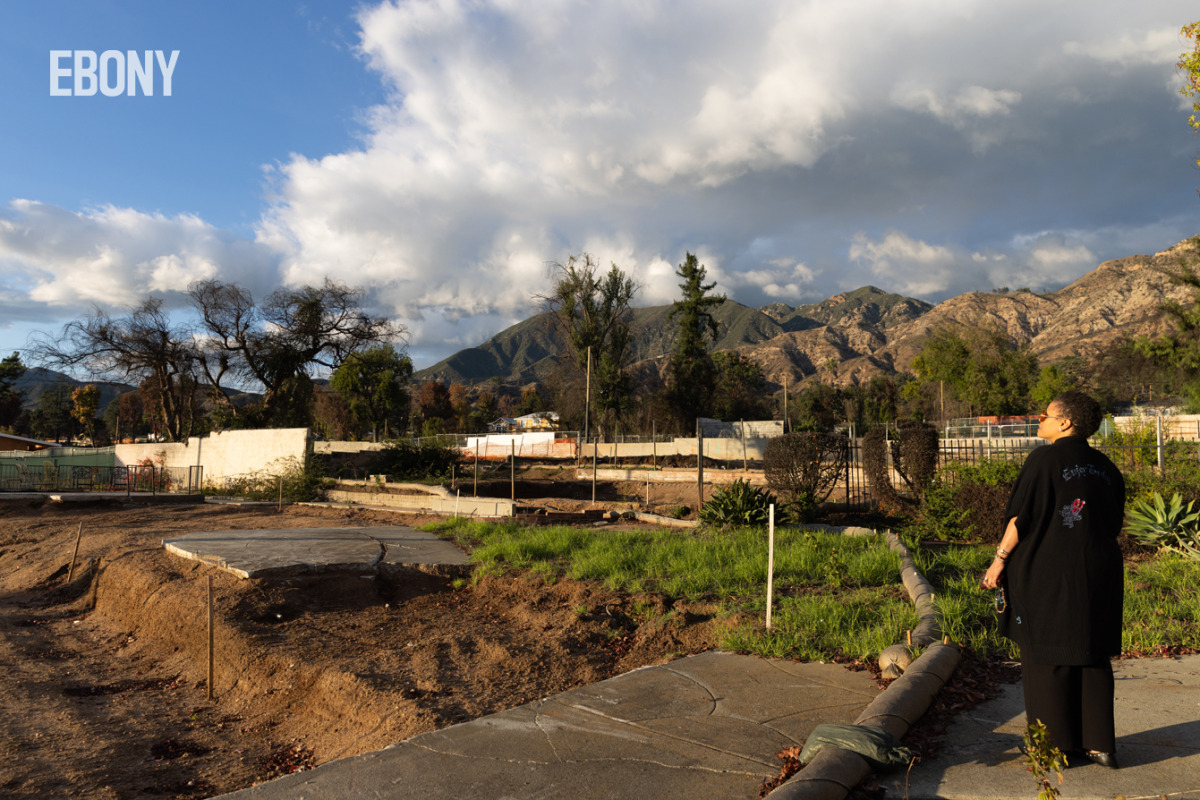
One Year Later: Altadena Families Navigate Loss and Resilience After the Eaton Fire
One year after the devastating eaton wildfire swept through Altadena, California, the community continues to grapple with the profound impact of loss and the complex journey of rebuilding. While physical structures can be rebuilt, the emotional and cultural scars run deep, notably for long-time residents and the historically Black community that was disproportionately affected. A new short film, Standing in the Ashes: One Year After the Altadena Fires, part of the EBONY Voices series, offers an intimate and grounded look at the lives of three families as they navigate grief, recovery, and the question of remaining in a community they’ve long called home.
The Scope of the Disaster and Disproportionate Impact
The Eaton wildfire, a catastrophic event, claimed 19 lives and caused widespread destruction, damaging or destroying over 9,400 homes and buildings. Though, the impact wasn’t felt equally. Black households experienced a significantly higher rate of damage and displacement, exacerbating existing inequalities. Many of those affected are older adults, facing unique challenges in the recovery process. Rebuilding, for these families, isn’t simply about restoring property; it’s about preserving a legacy, a culture, and a vital sense of belonging that spans generations.
Standing in the Ashes: A Human-centered Story
The film, available on EBONY.com and YouTube, distinguishes itself by avoiding sensationalism and instead focusing on the nuanced realities of recovery. It follows three families as they confront arduous decisions about their futures, balancing the pain of loss with the desire to rebuild their lives and contribute to the community’s revitalization. The film’s strength lies in its ability to portray the human cost of disaster without reducing individuals to mere statistics.
The Role of Community Leadership
The recovery efforts have been significantly aided by community leaders like Antoinette “Toni” Bailey-raines. Recognized as a 2025 EBONY Power 100 Community Crusader, Bailey-Raines leveraged her grassroots platform, the radio show and podcast Altadena Talks, to provide crucial data and a vital sense of connection in the immediate aftermath of the fire.Her work exemplifies the power of local media and community organizing in times of crisis.
Beyond Reconstruction: Preserving History and Culture
Altadena has a rich history as one of the first communities in Los Angeles to welcome african American residents, becoming a haven from racial discrimination in the early 20th century.The disproportionate impact of the fire on Black households raises concerns about the potential for displacement and the erosion of this notable cultural heritage. The families featured in Standing in the Ashes represent a determination to not only rebuild their homes but also to safeguard the community’s unique identity.
The Long Road to Recovery: Challenges and Support
Recovery from a wildfire is a marathon, not a sprint. Beyond the immediate challenges of securing housing and financial assistance, residents face emotional trauma, bureaucratic hurdles, and the long-term effects of smoke exposure.Organizations like the American Red Cross and local community groups have been instrumental in providing support, but the need remains significant. Access to mental health services, particularly for those experiencing grief and PTSD, is crucial. Furthermore, ensuring equitable access to rebuilding resources and preventing predatory practices is paramount.
Looking Ahead: Building a More Resilient Future
The story of Altadena’s recovery is a testament to the resilience of the human spirit and the importance of community. Standing in the Ashes serves as a powerful reminder that rebuilding isn’t just about structures; it’s about people, culture, and the enduring bonds that hold a community together.As Altadena looks to the future, prioritizing community-led initiatives, equitable resource allocation, and proactive disaster preparedness will be essential to building a more resilient and inclusive future for all its residents.
Key Takeaways:
- the Eaton wildfire disproportionately impacted Black households in Altadena, exacerbating existing inequalities.
- Standing in the Ashes offers a nuanced and human-centered portrayal of the recovery process.
- Community leadership, like that of Antoinette Bailey-Raines, played a vital role in providing support and information.
- Preserving the historical and cultural meaning of Altadena’s Black community is a critical aspect of the rebuilding effort.
- Long-term recovery requires sustained support, equitable resource allocation, and proactive disaster preparedness.
