
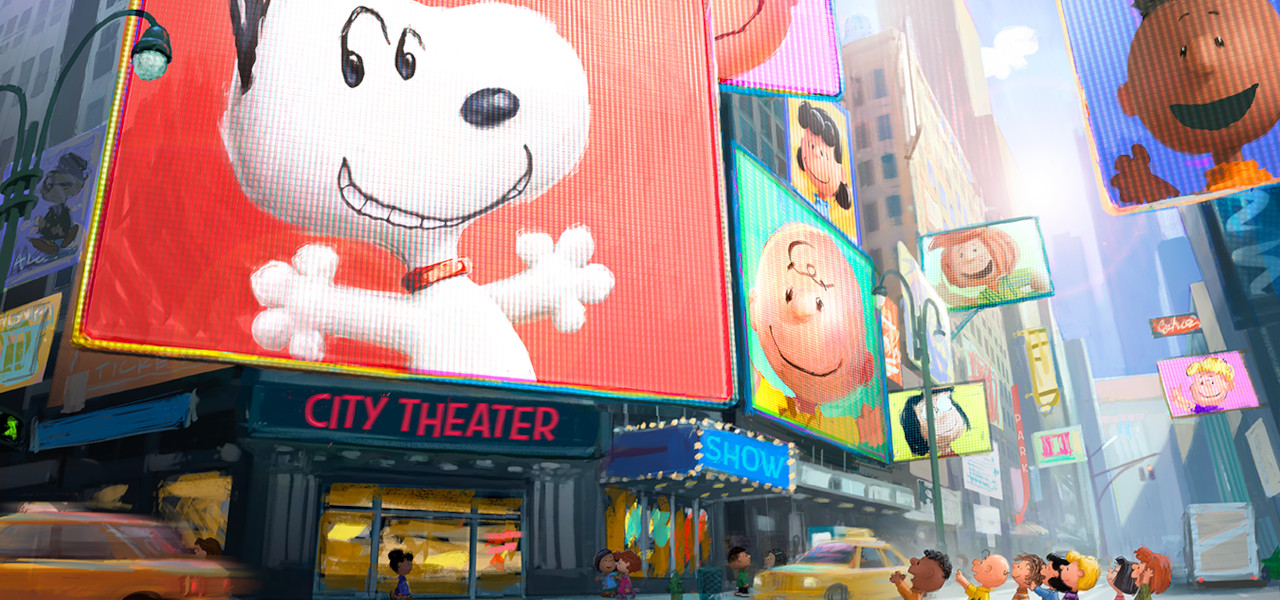
WildBrain is now at the center of a structural shift involving IP portfolio realignment. The immediate implication is a reallocation of capital toward higher‑growth digital franchises.
The Strategic Context
WildBrain acquired a controlling stake in the Peanuts brand in 2017 as part of a multi‑billion‑dollar transaction that also brought Strawberry Shortcake into its portfolio. The media landscape has as moved decisively toward streaming‑first distribution, direct‑to‑consumer monetization, adn the leveraging of owned intellectual property across digital platforms. Companies are increasingly treating legacy licensing assets as balance‑sheet levers to fund growth in owned‑content ecosystems.
Core Analysis: Incentives & Constraints
Source Signals: The company announced the sale of its Peanuts stake, using the proceeds to retire its senior secured credit facility, retain over $40 million in cash, and eliminate roughly $50 million in annual interest expense. Management framed the transaction as a “value‑crystallizing” step that frees capital for reinvestment in wholly owned franchises such as Strawberry Shortcake and Teletubbies, and for expanding its presence on YouTube, FAST and AVOD services. The deal also includes a renewed production partnership for a new CG‑animated Peanuts feature slated for apple TV+ through 2030.
WTN Interpretation: The primary incentive is financial hygiene: eliminating debt reduces leverage, lowers fixed‑cost pressure, and improves cash‑flow flexibility in a capital‑intensive content market. By shedding a high‑profile but partially owned asset, WildBrain can concentrate resources on properties where it retains 100 % royalty rights, thereby capturing the full upside of digital distribution and merchandising. the constraints include a competitive streaming environment that rewards scale and data‑driven audience engagement; without a robust pipeline of owned IP, the firm risks marginalization. Structural forces-namely the industry‑wide shift from customary broadcast licensing to direct‑to‑consumer monetization, and the tightening of financing conditions for media firms-make the de‑leveraging and focus on owned franchises a rational response.
WTN Strategic Insight
“The transaction exemplifies a broader industry pivot from legacy licensing toward direct‑to‑consumer digital monetization of wholly owned franchises.”
Future Outlook: Scenario Paths & Key indicators
Baseline Path: If WildBrain successfully deploys the freed capital into new content production, expands its digital distribution footprint, and leverages the full revenue stream of owned IP, it can achieve higher margin growth and strengthen its position in the fragmented streaming ecosystem.
Risk Path: Should the streaming market experience a prolonged slowdown, or if new franchise initiatives fail to generate expected audience traction, the company may face cash‑flow shortfalls that could prompt additional asset disposals or a slowdown in investment.
- Indicator 1: WildBrain’s quarterly earnings release (next 3‑6 months) – focus on cash‑flow statements, debt levels, and capital‑expenditure guidance.
- Indicator 2: Performance metrics of the newly launched Strawberry Shortcake and Teletubbies digital initiatives (viewership,ad revenue,merchandising sales) as reported in investor updates.
- Indicator 3: Industry‑wide streaming ad‑spend trends and FAST platform growth rates, which will affect the revenue potential of WildBrain’s AVOD strategy.
