
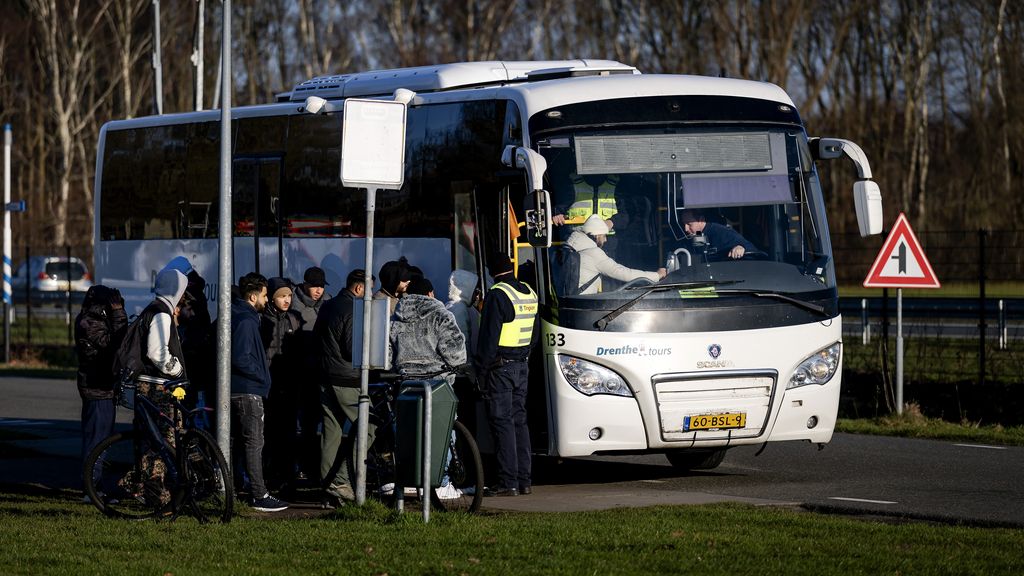
Mona Keijzer, the outgoing asylum‑and‑migration minister, is now at the center of a structural shift involving the financing and security of the Ter Apel asylum‑seeker shuttle. The immediate implication is a potential withdrawal of public funding that could reshape local transport policy and heighten socio‑political tensions.
The Strategic Context
Since the introduction of a free shuttle between Emmen station and the Ter Apel registration center,Dutch municipalities have relied on national subsidies to mitigate public‑order problems linked to irregular fare payment and disruptive behavior.Over the past year, a rise in violent incidents on the route has intensified local pressure for a security response. At the same time, the Dutch welfare state faces fiscal tightening, and the broader European migration regime pushes member states to tighten asylum‑seeker entitlements. These intersecting forces-budgetary restraint, public‑safety concerns, and the politicisation of migration-create a backdrop in which the minister’s demand to end free tickets becomes a lever in a larger contest over the limits of the welfare contract.
Core Analysis: Incentives & Constraints
Source Signals: The mayor of Westerwolde insists that the minister first address unsafe conditions for bus staff before reinstating paid tickets. Mayor Velema warns of safety risks for drivers and residents if the payment demand proceeds. Municipalities of Emmen and Westerwolde argue that free transport was intended to curb nuisance behaviour, yet passengers frequently refuse the €4.52 fare and act disorderly. The minister has issued a letter demanding immediate termination of free tickets, threatening to withdraw the bus‑line budget.Municipal officials note that future transport costs might potentially be covered by asylum‑seekers’ personal living allowances, but this will take time, and they have not yet received a response from the minister.
WTN Interpretation: The minister’s stance serves multiple strategic purposes: it signals fiscal prudence ahead of upcoming elections, reinforces a narrative that asylum‑seekers should not receive preferential public services, and leverages budgetary control to extract concessions from local authorities. Municipalities,in turn,are motivated by the need to maintain public order,protect transport workers,and avoid political fallout from residents who bear the cost of any security escalation. Their constraints include limited local revenue,dependence on national subsidies,and legal obligations under EU asylum directives that guarantee basic assistance. The tension between national fiscal tightening and local security imperatives creates a bargaining arena where each side seeks to shift cost burdens without ceding political capital.
WTN Strategic Insight
“Transport subsidies for asylum seekers have become a flashpoint where austerity, security concerns, and migration politics intersect, foreshadowing a broader European contest over the boundaries of the welfare state.”
Future outlook: Scenario Paths & Key Indicators
Baseline Path: If the minister maintains the demand for paid tickets and municipalities successfully re‑allocate living‑allowance funds, the shuttle will become a fee‑based service. Enhanced security measures (e.g., additional guards) reduce incident rates, and the fiscal burden shifts to asylum‑seekers, preserving municipal budgets. The policy change stabilises local public order but may generate modest discontent among asylum‑seeker communities.
Risk Path: If violent incidents continue to rise or if municipalities cannot secure choice financing,service suspension becomes likely. This could trigger legal challenges over the right to free transport under national asylum legislation, provoke protests, and force the national government to intervene-potentially leading to a broader policy reversal or a more punitive national framework for asylum‑seeker mobility.
- Indicator 1: Publication of revised municipal budgets allocating a portion of asylum‑seekers’ living allowances to transport costs (expected within the next three months).
- Indicator 2: Monthly police or municipal reports on the number of incidents involving the Ter Apel shuttle (monitor for upward or downward trends).
- indicator 3: Statements or votes in the upcoming parliamentary session concerning asylum‑seeker welfare funding (signals national political direction).
