
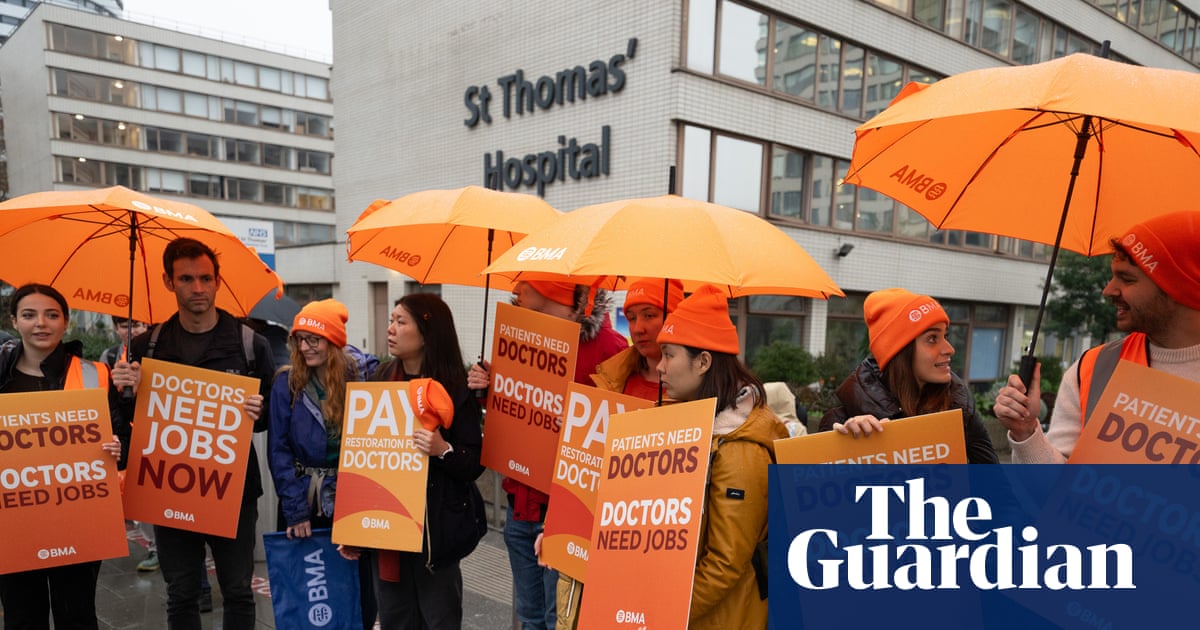
The NHS is now at the center of a structural shift involving industrial relations with resident doctors. The immediate implication is heightened systemic risk to service delivery during a peak seasonal demand period.
The Strategic Context
The United Kingdom’s publicly funded health system has long operated under a model of universal access financed by general taxation. Over the past decade, fiscal constraints, demographic ageing, and rising chronic disease burden have pressured the NHS budget, while workforce planning has struggled to keep pace with demand. The resident‑doctor cadre, traditionally the entry point for medical careers, has become a focal point for broader tensions between public sector pay policy and professional expectations. Repeated cycles of industrial action since 2023 reflect an underlying mismatch between remuneration, training capacity, and the government’s fiscal stance, set against a backdrop of rising waiting lists and seasonal peaks in service utilisation.
Core Analysis: Incentives & Constraints
Source Signals: NHS leadership has called for independent mediation; the health secretary and the British Medical Association have not reached an agreement on pay and jobs; resident doctors plan a five‑day strike, the 14th since 2023, seeking a 26 % pay rise over three years and expanded training places; the legal right to strike expires on 6 January; hospitals have cancelled tens of thousands of tests and treatments to manage the strike impact.
WTN Interpretation: The government’s incentive is to contain public‑sector wage growth within broader fiscal targets,using the budgetary ceiling as leverage. The health secretary’s refusal to meet the 26 % demand signals a constraint imposed by macro‑economic policy and political considerations ahead of upcoming fiscal statements. Resident doctors leverage the timing of the strike-coinciding with the winter demand surge-to amplify pressure, exploiting the system’s limited surge capacity. Their demand for expanded training places reflects a strategic aim to secure long‑term professional pipelines, reducing reliance on temporary staffing solutions. The call for independent mediation indicates both sides recognize the escalating cost of disruption and the risk of a protracted stalemate that could erode public confidence and invite external scrutiny of NHS governance.
WTN Strategic Insight
”When fiscal restraint meets a professional cohort whose scarcity is amplified by demographic pressure, industrial action becomes a bargaining chip that reshapes the long‑term labor contract of a public service.”
Future Outlook: Scenario Paths & Key Indicators
Baseline Path: If the current mediation push proceeds and the government offers a modest incremental pay package combined with a phased increase in training slots, the strike might potentially be limited to the scheduled five‑day period. Service disruption would be contained, and waiting‑list growth would resume at pre‑strike rates, preserving short‑term system stability while leaving the underlying fiscal‑pay tension unresolved.
Risk Path: If mediation stalls and the government maintains its stance on pay, resident doctors could extend industrial action beyond the legal deadline, possibly triggering a series of sector‑wide stoppages in early 2026. Prolonged disruption would exacerbate seasonal demand pressures, increase elective surgery backlogs, and could prompt parliamentary inquiries into NHS funding models, raising the prospect of structural reforms or choice financing mechanisms.
- Indicator 1: Outcome of the upcoming Treasury spending review (within the next 3 months) – any revision to public‑sector wage caps will signal the government’s fiscal flexibility.
- Indicator 2: publication of the NHS workforce plan for 2025‑2030 (expected within 4 months) – the scale of approved training place expansions will indicate the willingness to address long‑term staffing shortages.
