
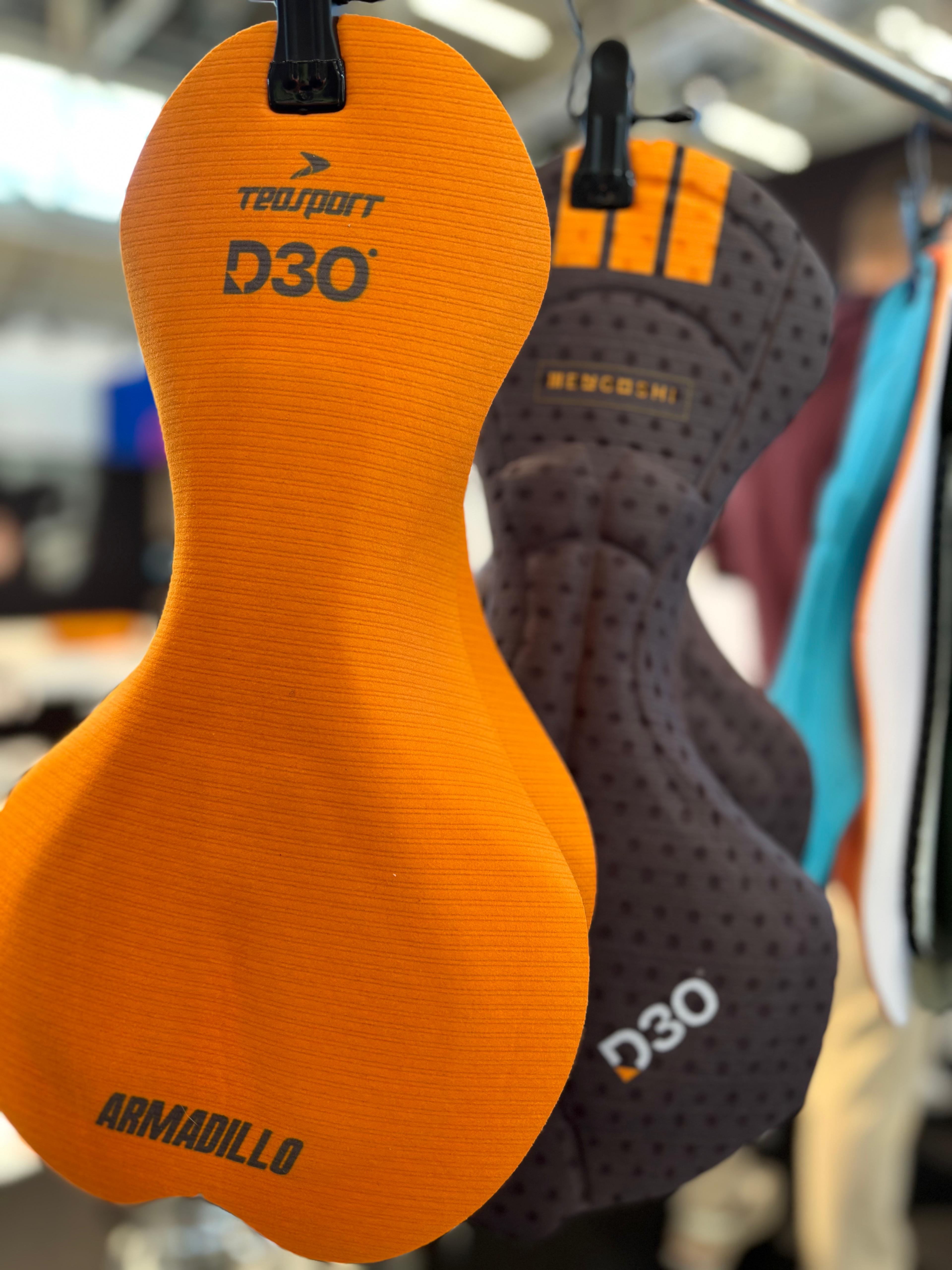
TeoSport (in partnership with D3O) is now at teh center of a structural shift involving advanced impact‑absorbing materials in the sports‑equipment sector. The immediate implication is a heightened competitive edge for premium cycling pads and a potential re‑pricing of performance‑oriented gear.
The Strategic Context
Over the past decade,the high‑performance sports market has converged with advanced materials originally developed for aerospace,motorsport and defense. This cross‑industry diffusion is driven by three structural forces: (1) consumer demand for measurable performance gains and injury mitigation; (2) the scaling of smart‑foam technologies that can be mass‑produced at lower cost; and (3) the broader trend of niche manufacturers leveraging proprietary materials to differentiate in a crowded, price‑sensitive market. The partnership between an established Italian pad maker and a global impact‑material specialist exemplifies the maturation of this material‑technology ecosystem.
core Analysis: Incentives & Constraints
Source Signals: The announcement confirms that TeoSport will embed D3O’s AeroMax foam into its cycling pads, emphasizing dynamic stiffening, vibration damping, and injury reduction. Executives from both firms highlight the transfer of technologies used in Formula 1 and military applications to the consumer cycling segment, positioning the product as a tool for harder training with lower fatigue.
WTN Interpretation: TeoSport’s incentive is to move up the value chain, capturing higher margins by offering ”premium safety” as a differentiator, especially as professional and amateur cyclists increasingly seek gear that can measurably improve endurance. D3O benefits by expanding its addressable market beyond extreme sports into mainstream cycling,leveraging existing production capacity and brand equity.Constraints include the need to keep unit costs competitive against traditional foam pads,and the risk that the performance claims might potentially be scrutinized by independent testing bodies,which could affect adoption rates. Both parties also face supply‑chain considerations for the specialized polymer, which may be subject to raw‑material price volatility.
WTN Strategic Insight
“The migration of high‑impact materials from defense and motorsport into consumer sports gear signals a broader commoditization of safety technology, reshaping competitive dynamics across the entire active‑lifestyle market.”
Future Outlook: Scenario Paths & Key Indicators
Baseline Path: If the partnership proceeds without major cost overruns and the AeroMax‑enhanced pads receive positive feedback from early adopters,TeoSport is likely to command a price premium,prompting rival manufacturers to seek similar material licenses. This would reinforce a tiered market where premium safety features become a standard expectation for high‑performance cyclists.
Risk Path: Should raw‑material costs rise sharply, or if regulatory scrutiny challenges the claimed performance benefits, the price differential may erode, limiting market penetration. in that case, TeoSport could revert to conventional foam lines, and D3O’s expansion into mainstream cycling would stall, preserving the status quo of cost‑driven competition.
- Indicator 1: Quarterly sales data for TeoSport’s premium pad line (to be released in the next 3‑month financial report).
- Indicator 2: Commodity price trends for the polymer base used in D3O foams, tracked through industry pricing indices over the next 4‑6 months.
