
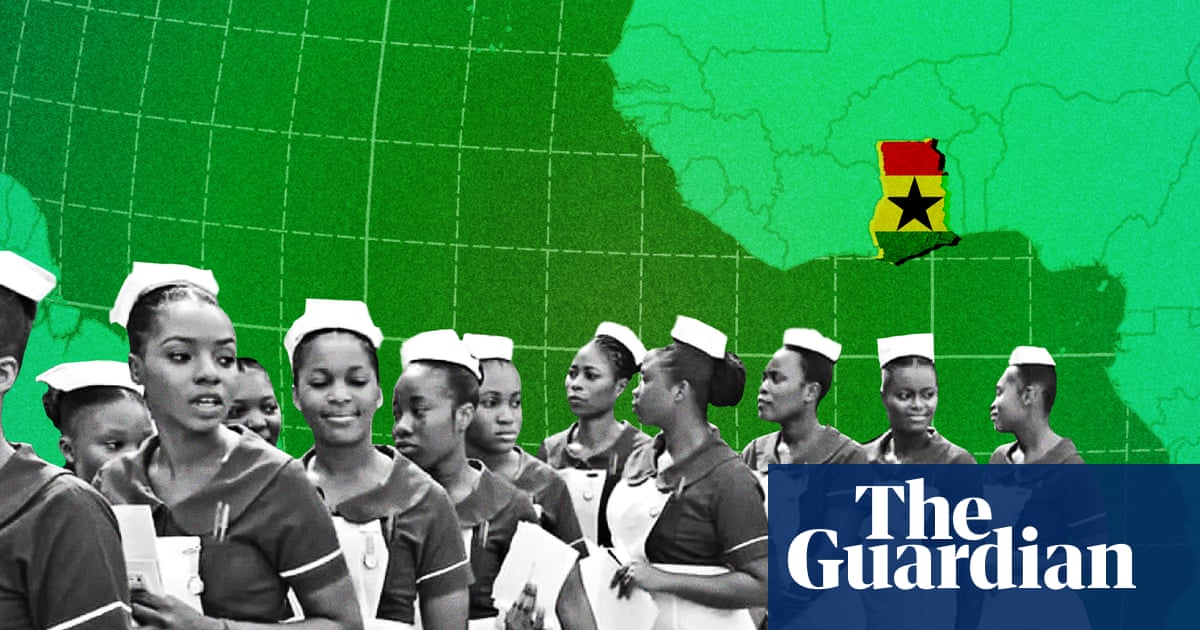
Ghana’s health sector is now at the center of a structural shift involving the mass migration of nurses. The immediate implication is a deepening capacity gap that threatens universal health coverage and could destabilize domestic health security.
The Strategic context
Ghana’s post‑independence health system relied on a steady pipeline of locally trained nurses to serve a rapidly growing population of roughly 35 million. The COVID‑19 pandemic exposed chronic under‑investment, prompting a surge in wage arrears, equipment shortages and deteriorating working conditions. Simultaneously, high‑income countries intensified recruitment drives to fill their own post‑pandemic shortages, creating a pull factor that aligns with Ghanaian nurses’ aspirations for better remuneration and professional environments. The government’s response-formal bilateral agreements to export nurses to Caribbean states and the framing of a “surplus” of graduates-reflects a policy choice to monetize human capital amid fiscal constraints.
Core Analysis: Incentives & Constraints
Source Signals: The narrative confirms that at least 6,000 nurses left Ghana in 2024, driven by low wages, unpaid salaries and crumbling infrastructure. The Ministry of foreign Affairs signed recruitment pacts with Jamaica and Grenada, extending a 2019 deal with Barbados, while more than a dozen other nations have expressed interest. Government officials cite a “surplus” of trained nurses, yet Ghana appears on a WHO list of 55 countries facing critical health‑workforce shortages. Individual testimonies illustrate three pathways: staying (entrepreneurial diversification),leaving (organized diaspora networks targeting the US and Europe),and biding time (young nurses confronting unpaid wages and limited placement opportunities).
WTN Interpretation:
- Incentives for nurses: Immediate financial security, access to modern facilities, and professional development abroad outweigh the modest domestic salary of roughly 3,000 GHS per month. The “In God we trust” WhatsApp signal underscores a cultural framing of migration as a promised reward.
- incentives for the Ghanaian state: Exporting nurses generates remittance inflows,reduces short‑term payroll burdens,and aligns with a broader strategy of leveraging diaspora networks for future investment.Bilateral agreements also serve diplomatic goodwill with Caribbean partners.
- Constraints on the state: Limited fiscal space restricts wage reforms; dependence on external donor funding hampers rapid health‑system upgrades; and WHO classification signals international scrutiny that could affect aid flows.
- Constraints on nurses: Licensing barriers, migration costs, and family ties limit immediate departure for younger staff, while experienced cadres face professional burnout that accelerates exit decisions.
WTN Strategic Insight
“Ghana’s nurse exodus is less a crisis of supply than a market correction where domestic under‑payment meets a global premium,turning human capital into a tradable export.”
Future Outlook: Scenario Paths & Key Indicators
Baseline Path: If wage arrears continue at current levels and bilateral recruitment deals proceed,the outflow will remain steady (~6,000 nurses per year). The health system will experience incremental staffing gaps,prompting modest policy adjustments such as targeted retention bonuses and limited scaling of private‑sector training programs.
Risk Path: Should fiscal tightening intensify or a new wave of public sector strikes occur, nurse attrition could accelerate, leading to acute shortages in critical care units. This could trigger emergency health‑service contracts with private providers, increase reliance on foreign medical missions, and attract heightened WHO or donor intervention.
- Indicator 1: Quarterly Ministry of Health reports on nurse vacancy rates and average salary disbursements.
- Indicator 2: Announcement of new bilateral recruitment agreements or renewals within the next six months.
