
Bananas grown in the Doce River estuary are now at the center of a structural shift involving environmental contamination and child health risk. The immediate implication is heightened scrutiny of food safety standards and potential pressure on regional agricultural and remediation policies.
The Strategic Context
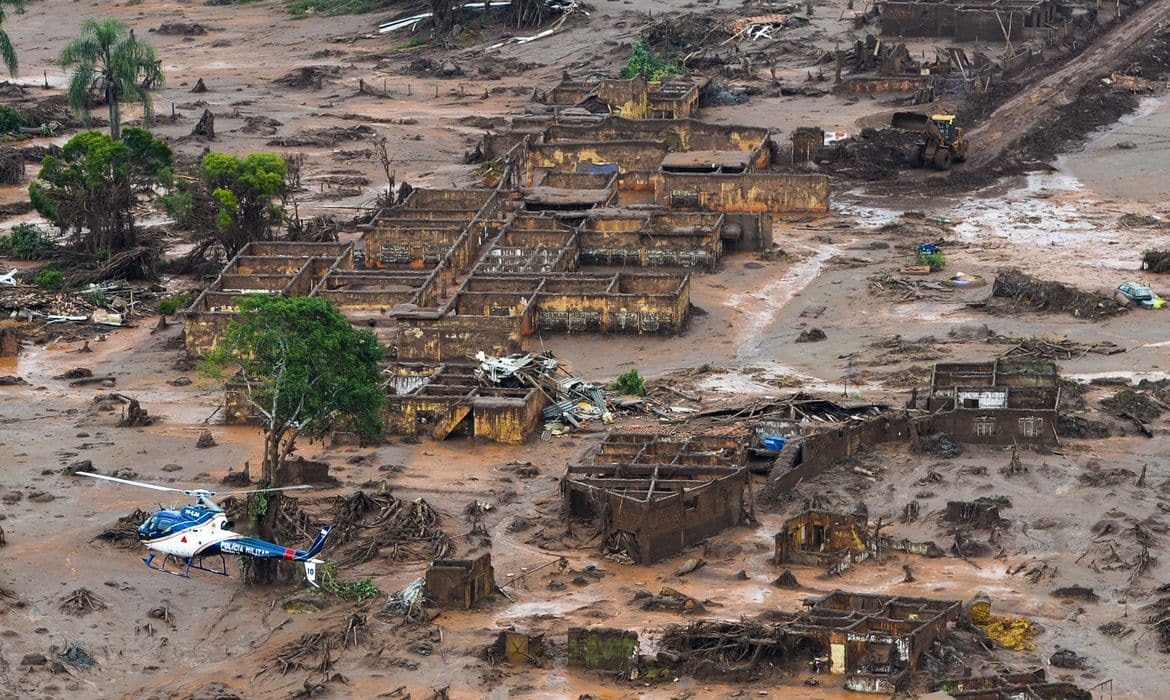
Sence the 2015 Fundão dam collapse, iron ore tailings have been deposited across the Doce River basin, creating a legacy of heavy‑metal contamination in soils used for agriculture.Brazil’s broader regulatory framework for food safety and environmental remediation operates within a fragmented federal‑state system, where duty for monitoring and enforcement is shared among multiple agencies. internationally, heightened awareness of lead exposure in children has driven stricter standards in trade partners, influencing export eligibility for Brazilian produce.
Core Analysis: Incentives & Constraints
Source Signals: Academic researchers from USP, UFES and the University of Santiago de Compostela reported that bananas cultivated on contaminated soils contain lead and cadmium levels that exceed FAO limits for children under six, while risk indices for adults remain below concern thresholds. The study notes cumulative exposure risks, potential neurodevelopmental impacts, and a possible long‑term carcinogenic risk. No immediate food emergency is declared, but continuous monitoring is recommended.
WTN interpretation: The findings intersect three structural forces: (1) environmental liability management, where state and mining firms face pressure to fund long‑term soil remediation; (2) public health protection, which compels health ministries to tighten surveillance and possibly restrict market access for contaminated produce; and (3) economic dependence, as local communities rely on banana farming for livelihoods, limiting rapid policy shifts. The incentive for state authorities is to avoid reputational damage and trade disruptions, while mining companies aim to limit remediation costs and legal exposure. Constraints include limited fiscal capacity for large‑scale soil cleanup, fragmented jurisdiction over environmental health, and the need to maintain agricultural output for regional food security.
WTN Strategic Insight
“Localized contamination of a staple crop can trigger a cascade where health surveillance,trade policy,and remediation financing become mutually reinforcing levers in a region’s post‑disaster recovery.”
Future Outlook: Scenario Paths & Key Indicators
Baseline path: If state health agencies maintain current monitoring protocols, and mining firms continue voluntary remediation without a court‑mandated settlement, banana production will persist with incremental risk mitigation (e.g., soil testing, targeted phytoremediation). Trade flows remain stable,and public health impacts stay limited to localized surveillance reports.
Risk Path: If new epidemiological data reveal rising blood‑lead levels in children, or if export partners impose stricter import restrictions, pressure will mount for thorough soil remediation and possible suspension of banana cultivation in the most affected zones.This could trigger legal actions, increased fiscal outlays for cleanup, and a shift in regional agricultural patterns.
- Indicator 1: Quarterly reports from Brazil’s Ministry of Health on pediatric blood‑lead levels in the Doce River basin.
- Indicator 2: Announcements from major export markets (e.g., EU, US) regarding import eligibility criteria for Brazilian bananas.
