
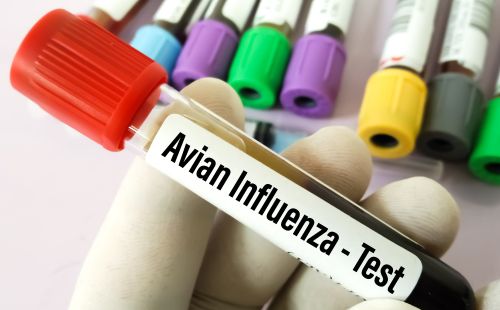
Europe Prepares for Potential Influenza Pandemic with new Guidance
Europe is facing a significant rise in avian influenza A (H5N1) cases among wild birds and poultry, increasing the risk of transmission too humans. In response, the European Centre for Disease Prevention and Control (ECDC) has released a new guide and accompanying tools to help European countries prepare for and respond to potential animal-related influenza threats, including the possibility of a pandemic.
While the current risk to the European population remains low, the ECDC emphasizes the serious public health threat posed by widespread animal outbreaks. “We must ensure that early warning signs do not go unnoticed and that public health actions are timely,coordinated and effective,” says Edoardo Colzani,head of respiratory viruses at ECDC.
The guidance outlines practical response scenarios, ranging from the current situation of widespread animal circulation with no human cases in the EU/EEA, to more severe scenarios involving human infection and potential human-to-human transmission.
The framework focuses on proactive and proportionate responses, encompassing strengthened surveillance, laboratory testing, protective equipment availability, and clear public interaction. Key elements include genomic surveillance,building laboratory capacity,and real-time data sharing.
A core principle of the guidelines is the “One Health” approach, recognizing the interconnectedness of human, animal, and environmental health. Effective collaboration between veterinary services, agriculture, and public health authorities is crucial for early detection and containment.
Developed in collaboration with leading agencies like EFSA,EMA,EU-OSHA,and national experts,the guide is designed to be integrated into national preparedness plans,bolstering europes defense against a potential influenza pandemic.
