
EU Proposal to Fund Ukraine Faces Hurdles as Belgium Voices Concerns Over Russian Asset Risks
Brussels – A European Commission proposal to provide €45 billion in annual aid to Ukraine is encountering resistance, particularly from Belgium, which is demanding greater assurances regarding the financial risks associated with utilizing frozen Russian assets. The dispute centers on two primary options for funding the aid package and the potential for Hungary and Slovakia to obstruct progress.
Belgium fears the current mechanism for immobilizing Russian assets – requiring six-month extensions – could collapse due to a veto from a single member state, with Hungary specifically cited as a concern. To address this, the Commission is proposing a new legal framework to temporarily prevent the outflow of these funds from the EU.
Another worry is that individual EU states might not honor their financial guarantees.In this scenario, the Commission intends to provide the funds as a loan. Moreover, the Commission suggests covering future guarantees within the next medium-term financial framework (starting 2028) by utilizing the difference between maximum possible and actual expenditures.
However, both options require unanimous approval, including from Hungary and Slovakia, which have previously rejected providing such guarantees. Negotiating concessions from these states may prove tough, especially if changes are made to the existing financial framework.
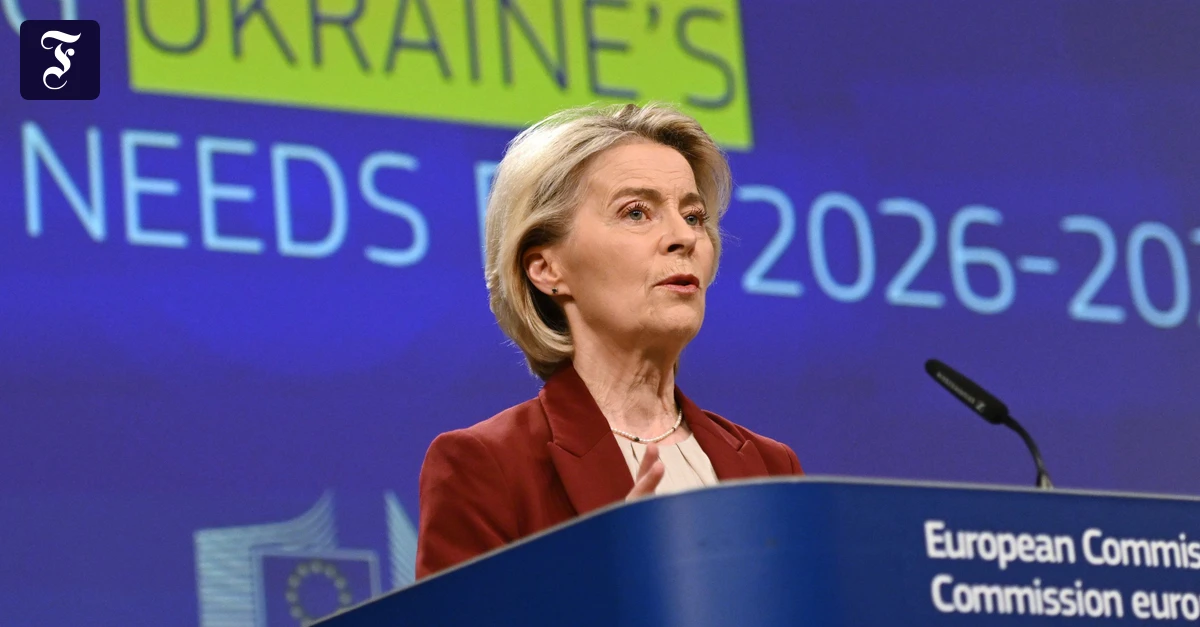
A more ambitious, but riskier, alternative presented by Commission President Ursula von der Leyen involves the EU issuing debt, similar to the Corona Reconstruction Fund. This could potentially unlock €45 billion annually for Kyiv,a path favored by the Belgian government. This approach,however,would add new debt and repayment obligations for the EU.
Belgian Foreign Minister Hadja Lahbib expressed strong concerns, stating, “It is not acceptable to use the money and leave us alone with the risks.” Von der Leyen responded that the Commission had “carefully noted” Belgium’s concerns and “has taken almost all of them into account in our proposal.” The use of the word “almost” signals ongoing disagreement and suggests further negotiations are necessary.
