
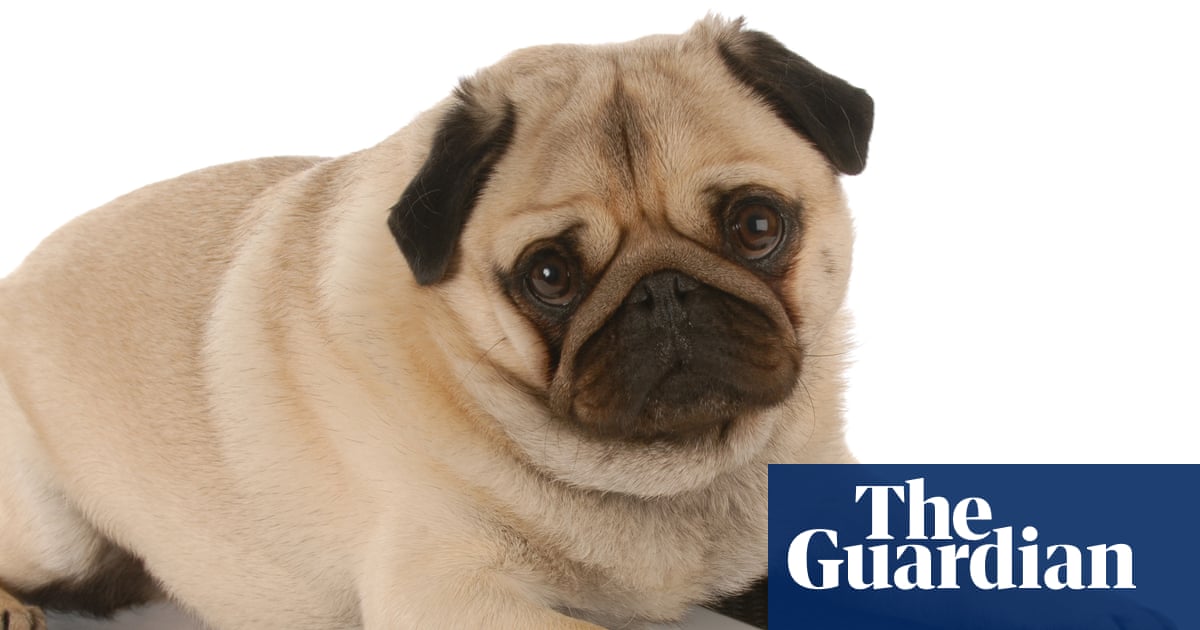
Weight-Loss Jabs for pets Enter Trial phase as Obesity Rates Soar
A pilot study in the US is testing GLP-1 drugs – the same class as Wegovy, Mounjaro, and Ozempic – on cats, sparking debate about the future of pet weight management. The move comes as alarming statistics reveal a widespread obesity crisis among companion animals, with estimates suggesting 60% of US pets and up to 65% of dogs in the UK are overweight or obese.
The trial, dubbed MEOW-1 (“ManagEment of Over Weight cats”), utilizes an injectable implant designed to last six months. GLP-1 drugs work by mimicking a hormone that slows digestion and suppresses appetite. This development arrives as a potential solution for a serious health concern; in the UK alone, an estimated 54,500 cats suffer from diabetes, many already requiring twice-daily insulin injections.
While the cost of the treatment remains to be determined, the company behind the trial hopes to keep it under $100 (£75) per month. This would represent a potential cost saving for owners currently using off-label human versions of drugs like Ozempic, which are prescribed by some veterinarians at human prices.
The discussion surrounding these “Ozempets” raises questions about the role of owner responsibility, the pet food industry, and the cultural acceptance of overweight pets. Experts emphasize that obesity remains the biggest preventable health problem facing pets today, drastically shortening their lifespans. Some pet owners, though, equate a healthy appetite with happiness and wellbeing, a perception the new treatments may challenge.
