
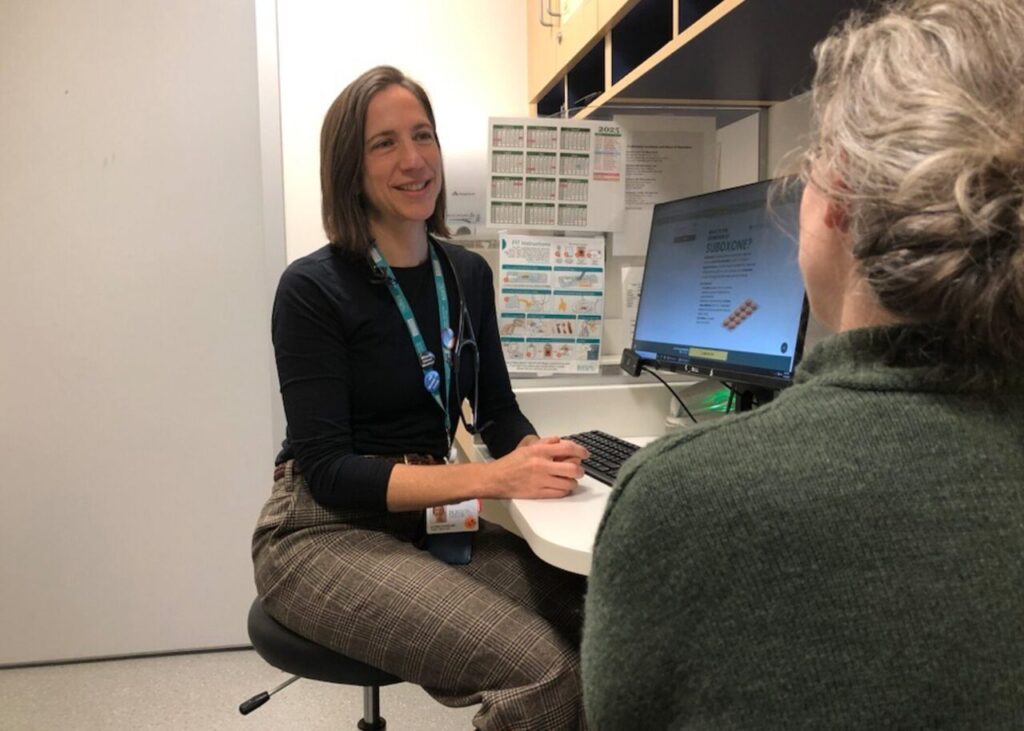
How One Doctor Is Rethinking Addiction Care in Family Medicine
Dr. Alyssa Tilhou,Research Director of Family Medicine at boston Medical Centre (BMC),is focused on a critical question: what helps peopel consistently and successfully engage with treatment for Opioid Use Disorder (OUD)? Her research centers on improving patient engagement,particularly with long-term medication-assisted treatment – a proven method for achieving stability and pursuing broader life goals.
Dr. Tilhou’s work is driven by a core belief: research must align with what truly matters to both patients and clinicians. To that end, she and her team are actively soliciting treatment goals from both groups, recognizing that understanding thes perspectives is key to creating more meaningful and effective care.
“At the heart of my research is the belief that we need to aim for the outcomes that matter most to patients,” Dr. Tilhou explains.”It isn’t enough to develop interventions that work in controlled research settings if patients can’t access them in real-world settings or if the benefits aren’t a priority to patients. If we don’t ask people what they value, why they think certain treatments are working, or what success looks like to them, we risk targeting the wrong goals.”
A notable component of her current research involves qualitative interviews – directly listening to patients to understand their experiences. This approach ensures that interventions are designed with patient needs and priorities at the forefront. Dr. Tilhou notes that for most individuals with substance use disorder, the primary goals are avoiding overdose and breaking the cycle of drug use that interferes with their lives. By helping patients remain consistently on medications for OUD,her research aims to directly reduce overdose risk and facilitate broader improvements in health and well-being.
The impact of this research extends beyond addiction treatment itself. In family medicine, patients often present with multiple health concerns. Achieving stability in substance use can create opportunities to address other health needs, such as preventive screenings, chronic condition management, and mental health care. Dr. Tilhou, as a practicing family doctor, has observed how medications like buprenorphine can open doors to more thorough care.
Ultimately, Dr. Tilhou’s goal is to develop systems and strategies that simplify the path to treatment success and foster healthcare environments that support holistic well-being.She emphasizes the invaluable role of patients as sources of insight, stating, “Patients understand their challenges and needs better than anyone. When we ground our research in their experiences and perspectives,we not only build trust but also create interventions that are more effective and meaningful for patients and their families.”
