
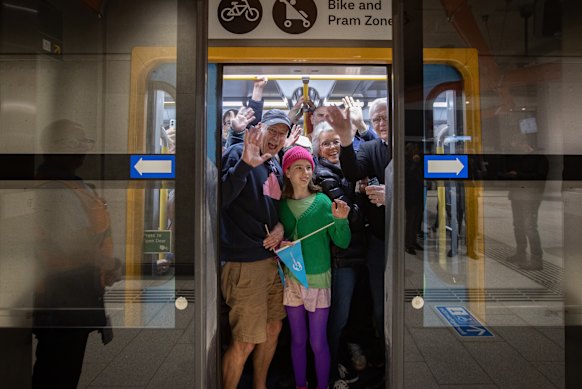
Melbourne Metro Tunnel Opens to Eager Crowds, Faces Scrutiny Over Costs
Melbourne, Australia – The long-awaited Melbourne Metro tunnel officially opened to the public today, drawing large crowds eager to experiance the city’s newest rail infrastructure. While celebrations marked the milestone, the project’s final cost continues to draw criticism from the opposition.
The tunnel’s completion marks a notable expansion of Melbourne’s rail network, designed to untangle the congested City Loop and increase capacity for a growing population. The project, delivering five new underground stations, aims to move more people faster and more reliably across the city. However, the tunnel’s journey to completion has been marked by ample cost increases, raising questions about financial management.
Originally budgeted at $10.9 billion, the final cost to Victoria reached $13.48 billion, with total project expenditure nearing $15 billion including contributions from the Cross Yarra Partnership construction consortium.Opposition Leader Jess Wilson highlighted these figures, stating, “The premier today might be taking Victorians for a ride, but she is taking them for a ride every single day when it comes to the waste and the financial mismanagement of this state.”
Despite the cost concerns, the opening was met with enthusiasm from commuters and transport advocates. Deputy Premier Ben Carroll emphasized the tunnel’s role in future projects, noting it “brings us one more step closer to delivering the Melbourne airport rail,” planned to include a new station in Keilor East.
The Public Transport Users Association has called for the release of the full timetable, set to begin February 1st, to assess the tunnel’s impact. Spokesperson daniel Bowen also urged the state government to increase service frequency on existing lines to maximize the benefits of the increased capacity.
“there’s no doubt when you improve public transport, more people use it,” Bowen said. “A big project like this… will increase patronage, but it also shows the interest people have in these big city-shaping projects. Hopefully, there are more of them coming soon.”
