
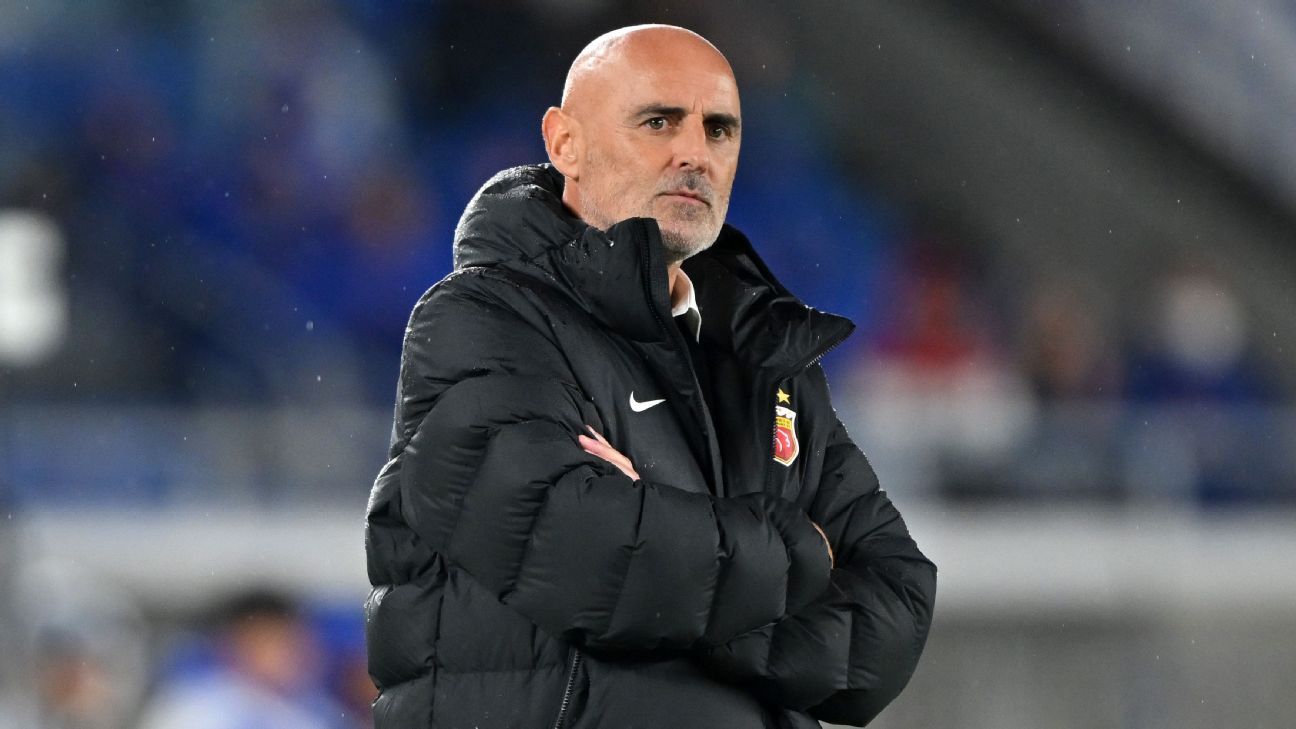
The Lingering Shadow: Kevin Muscat‘s Reputation and Future Prospects
Kevin Muscat’s recent success with Yokohama F. Marinos, securing a J1 League title, has inevitably sparked speculation about a move to European football, following Danny Röhl’s appointment at Rangers.however, any potential move for the Australian coach will be viewed through the lens of a past often defined by a fiercely physical playing style.
Muscat’s six-month stint with sint-Truidense in Belgium in 2020 offered a stark lesson in the realities of European football, highlighting the importance of finding the right opportunity, not simply an opportunity. Having proven his managerial capabilities and delivered silverware in both A-League and J1 League environments, Muscat now possesses the leverage to be selective, seeking a club aligned with his vision and willing to provide substantial support.
despite this strengthened position, Muscat faces a unique set of challenges. While he might potentially be afforded more consideration than some coaches from Asia – benefiting from being a native English speaker from a nation frequently enough perceived as Western – he continues to carry the weight of his playing career.
Almost fifteen years after his retirement, Muscat remains widely remembered for a physicality that frequently crossed the line.The Daily Mail recently highlighted this legacy with the headline: “How Aussie hardman kevin Muscat became ‘the most hated man in football.'” This reputation, built on infamous tackles against players like Matty Holmes, Christophe Dugarry, and Adrian Zahra, persists despite Muscat’s conversion into a convivial, eloquent manager known for building strong team environments and implementing an attacking style of play.
The lingering perception of his past actions presents a hurdle. Overcoming this bias, alongside broader unconscious biases facing Australian and Asian coaches, will require consistent success on the pitch.
Beyond club football, Muscat was previously considered for the Australian national team role (the Socceroos) when Graham Arnold announced his departure, but remained in Shanghai, ultimately leading to Tony Popovic’s appointment. With Popovic’s contract expiring after the next World Cup, Muscat is widely considered a leading candidate for the position should it become available, especially if he continues to achieve success.
Ultimately, Muscat’s future will be shaped by his ability to build on his recent triumphs. While challenges undoubtedly lie ahead, his proven track record as a winner positions him strongly as he navigates the next stage of his career, even as the shadow of his past continues to follow.
