
The Remarkable Ability of Frogs to Breathe and Drink Through Their Skin
Frogs possess a truly unique adaptation: the ability to absorb oxygen and water directly through their skin.This capability is vital to their survival across diverse environments, from aquatic habitats to arid deserts.
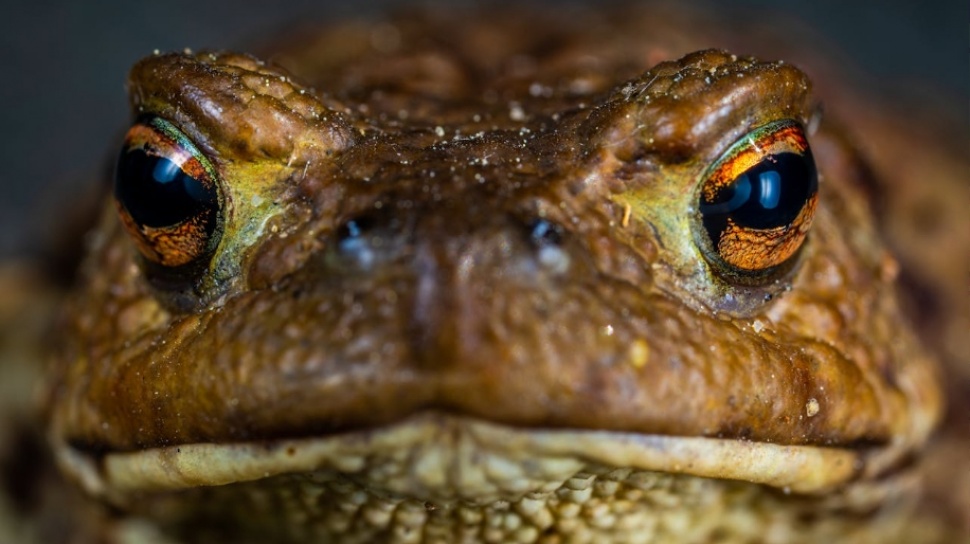
Frog skin isn’t simply a protective layer; it’s a complex, thin membrane richly supplied with mucus glands to maintain essential moisture. According to Christopher Raxworthy, curator and herpetologist at the American Museum of Natural History, microscopic pores within the skin facilitate the direct absorption of both oxygen and water into the body.
Beneath the skin’s surface lies a dense network of capillaries functioning much like miniature lungs. This allows for cutaneous respiration,the process by which frogs absorb oxygen and release carbon dioxide directly through their skin,explains Kurt Schwenk,an evolutionary biologist at the University of Connecticut.
While frogs do have lungs and can breathe through their mouths, cutaneous respiration provides a significant advantage, enabling them to remain submerged for extended periods or survive during hibernation.As long as the skin remains moist, this gas and water exchange occurs continuously, Schwenk notes.
The reliance on skin breathing varies between species. Some,like the trilling frog and the water-holding frog of the Australian desert,have developed specialized strategies for water conservation. These frogs absorb considerable amounts of water during the rainy season and then burrow into the ground, sealing themselves with a mucus layer to survive for months, even years, without access to external water sources.
Beyond respiration, frog skin also functions as a drinking mechanism. A specialized “drinking patch” located on the lower body allows the skin to absorb water directly into the bloodstream. Schwenk explains that the water bypasses typical digestive processes, penetrating cell membranes and entering circulation directly, ensuring rapid hydration without the need for active drinking.
However, this highly permeable skin also presents a vulnerability. Frogs are notably susceptible to environmental pollutants and chemicals. Substances like pesticides and microplastics readily penetrate the skin, posing significant health risks.
Global climate change further threatens frog populations. Rising temperatures and prolonged droughts are diminishing the moist habitats crucial for their survival, particularly in regions like the Amazon and Atlantic forests of South America. Raxworthy points out that amphibians often serve as early indicators of broader ecosystem imbalances.
Frogs play a critical ecological role, controlling insect populations and serving as a food source for larger animals like snakes and birds. Their decline could trigger cascading disruptions throughout the food chain, highlighting the importance of their conservation.
Scientists are actively monitoring the ability of frogs to adapt to rapidly changing environmental conditions. Schwenk emphasizes the significant challenge these animals face in evolving quickly enough to keep pace with the accelerating rate of climate change.
The frog’s ability to breathe and drink through its skin exemplifies the remarkable ingenuity of natural mechanisms, demonstrating how life can adapt and thrive in diverse and challenging environments.
