
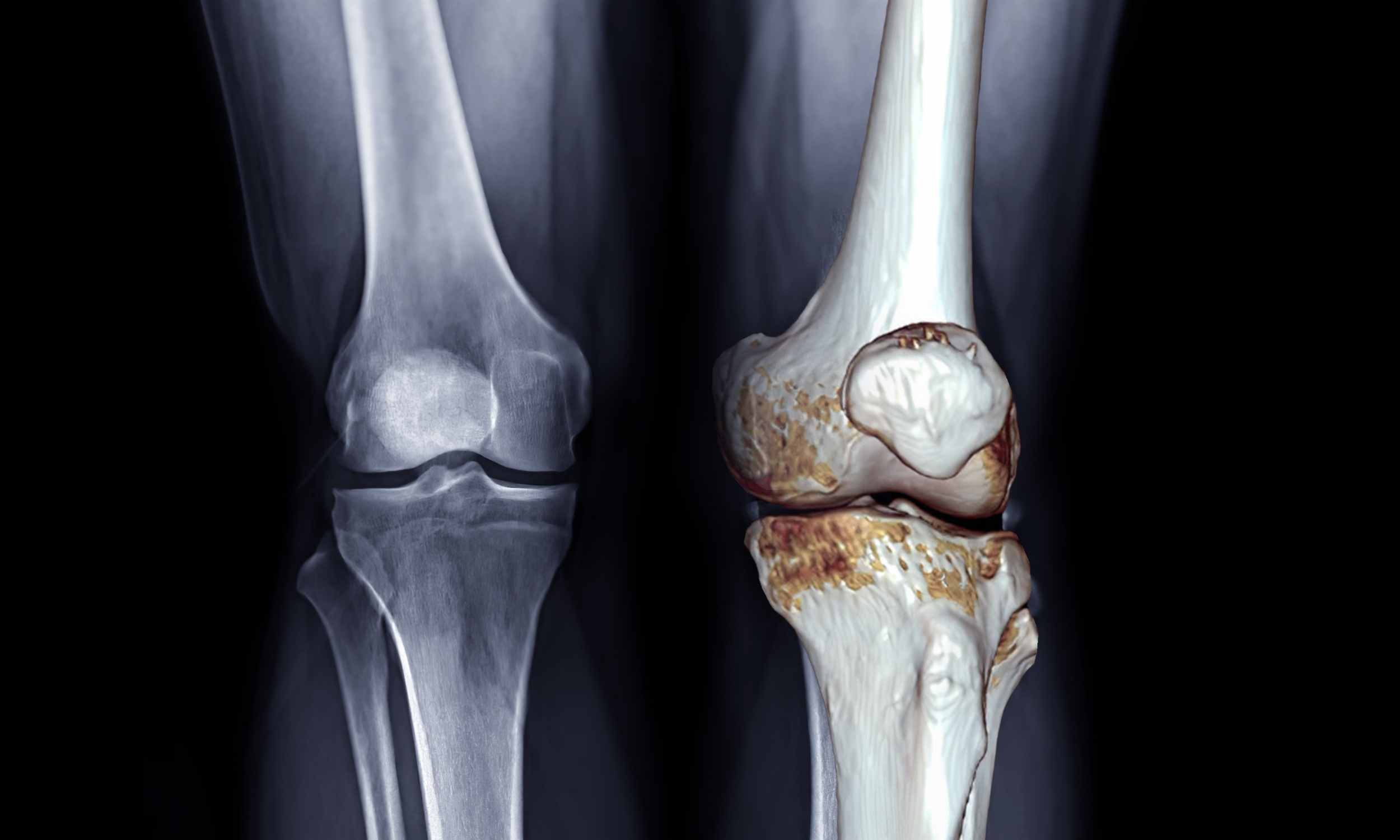
Shifting Focus: Why Physical Therapies are Rising to the Top for Knee Osteoarthritis
Recent research is challenging the customary approach to managing knee osteoarthritis, suggesting that medications should not be the primary treatment.A new ranking of therapies,led by Luo and colleagues and published in PLOS One,places braces,exercise,and hydrotherapy at the centre of long-term care,wiht medications used more cautiously as supplemental support.
The benefits of these physical therapies are particularly pronounced for individuals who find land-based workouts difficult due to pain or balance issues. Hydrotherapy, specifically, demonstrated critically important gains in pain reduction, decreased stiffness, and improved daily function when a combined arthritis score was utilized in Luo’s ranking. This aligns with observations from pool programs working with older adults experiencing knee arthritis, where the buoyancy of warm water allows for safe practice of balance, strength, and walking drills without the jarring impact felt on solid ground.
While land-based exercise remains a crucial component of care - including walking, strengthening exercises, balance drills, and supervised sessions with self-management support - the emphasis is shifting towards addressing the causes of pain rather than simply masking the symptoms. Braces, exercise, and hydrotherapy work by shifting load, strengthening muscles, and retraining movement patterns. This mechanical and strength-focused approach can be more impactful than short-term pain relief from pills.
major clinical guidelines now support this evolving viewpoint,advocating for tailored combinations of both non-drug and drug therapies.Practical care plans increasingly involve utilizing unloading braces during high-demand activities alongside regular, supervised exercise. Pool therapy is recommended when balance, weight, or other health conditions hinder land-based exercise, and short courses of medication are reserved for managing symptom flares instead of instantly escalating to injections or surgery.
Patients can proactively discuss with their clinicians whether an unloading brace or a supervised exercise program is appropriate for their individual needs. They should also inquire about referral to aquatic therapy if land exercise presents challenges. Asking about proper brace fit, duration of use, and safe exercise choices can further personalize treatment and improve adherence.
Researchers acknowledge the need for longer-term studies to determine if these approaches can delay or even prevent the need for joint replacement, and to assess their cost-effectiveness over time. Furthermore, investigations into the synergistic effects of combining therapies – such as bracing and hydrotherapy – are crucial, as these combinations may prove more effective than any single treatment alone.
