
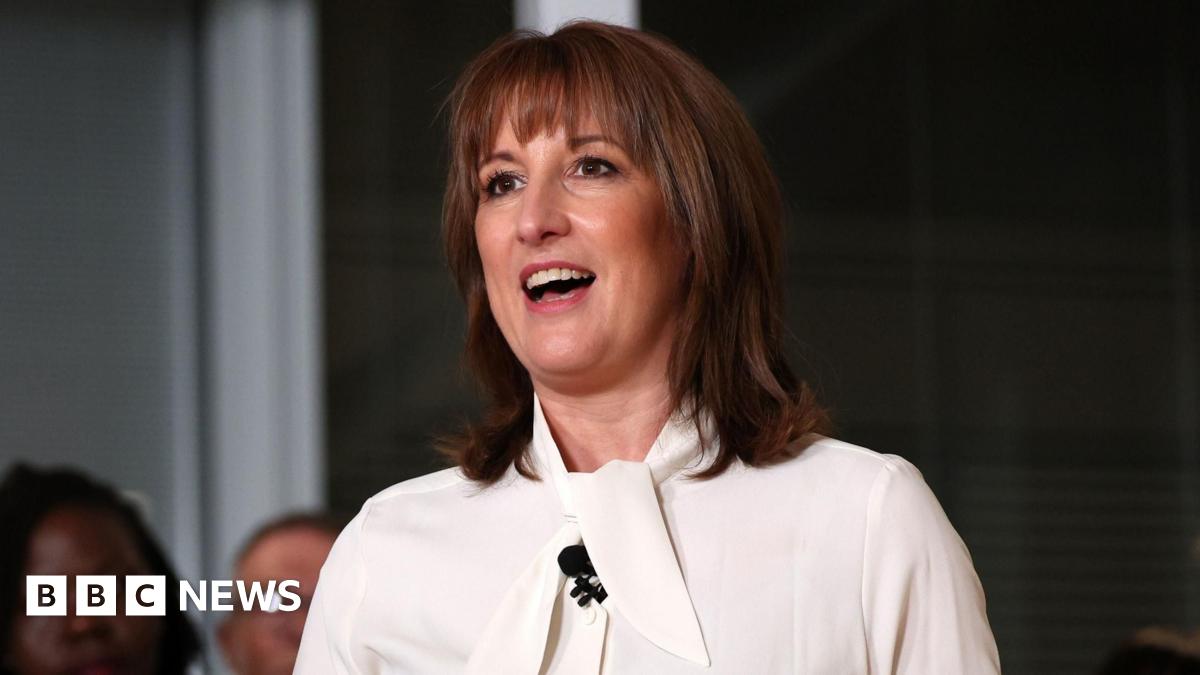
Budget 2025: Tax Threshold Freeze to Impact Millions of Workers
London – Rachel Reeves, Labour’s Shadow Chancellor, announced a key fiscal policy today: a freeze on income tax thresholds until April 2031. The decision, revealed during budget discussions, is projected to increase the tax burden on a meaningful portion of the UK workforce, even as wages rise to keep pace with inflation.
The policy effectively means that as salaries increase, more income will be subject to higher tax rates, even if individuals’ real earnings remain stagnant. This impacts not only those nearing tax bracket thresholds but anyone receiving pay increases,and will pull approximately one million additional people into paying income tax altogether,according to analysis from the Institute for Fiscal Studies (IFS).
Currently, individuals earning £50,000 pay 20% income tax on earnings above the £12,570 personal allowance. However, with inflation factored in, a £50,000 salary is projected to reach nearly £60,000 in five years. While this represents a nominal increase, it doesn’t equate to increased purchasing power.
The tax implications are significant. The 40% tax rate currently kicks in at £50,270. In five years, the same individual will be paying the higher rate on almost £10,000 of their income – a tax they currently do not pay. This “fiscal drag” will affect anyone who receives a pay rise,as a larger portion of their increased earnings will be taxed at a higher rate than would be the case if tax thresholds were adjusted for inflation.
The IFS estimates that around one million people currently earning below the £12,570 income tax threshold will begin paying tax as their wages incrementally increase above this level.
It is vital to note that scotland sets its own income tax bands and rates, while the personal allowance is determined by Westminster. As an inevitable result, the full impact of the threshold freeze may differ in Scotland.
