
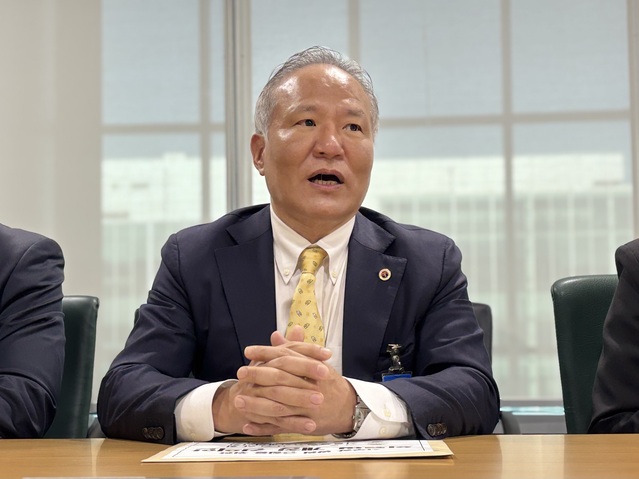
Summary of Chairman Hwang‘s Concerns Regarding Ingredient-name prescriptions
Chairman Hwang strongly opposes the implementation of prescriptions based solely on drug ingredients, arguing it is detrimental to public safety adn a flawed system design. Here’s a breakdown of his key concerns:
1. Variable Drug Efficacy & Patient Safety:
* Significant Differences: He highlights that even seemingly minor changes (like water content) can lead to up to 40% differences in drug efficacy,impacting patient response.
* Unpredictable Outcomes: Allowing pharmacists to substitute drugs based on ingredient alone introduces unpredictable variations in formulation, manufacturer, and additives. This can lead to differing efficacy, side effects, allergic reactions, and reduced patient compliance.
* Vulnerable Populations: This is particularly risky for patients on long-term medication (elderly, chronic disease sufferers) who are more susceptible to negative consequences from changes.
2. Shifting Responsibility & System flaws:
* Doctor’s Liability, Pharmacist’s Control: He criticizes the system for placing responsibility for side effects and treatment failures on doctors while together giving drug selection power to pharmacists. This is a fundamental flaw in system design.
* false Premise: He refutes the idea that doctors prescribe specific drugs for economic gain,pointing to strict regulations against kickbacks.
3. Market Distortion & Supply Issues:
* race to the Bottom: Ingredient-name prescriptions will incentivize pharmacies to choose the cheapest product, putting pressure on pharmaceutical companies to cut costs and possibly compromising quality.
* Supply Instability: This could lead to instability in drug supply and demand.
* Ineffective Solution: he argues ingredient-name prescriptions are a superficial “alibi solution” that doesn’t address the root causes of drug supply shortages (drug pricing, production capacity, stockpiling, contract structures).
4. Regression in Patient rights:
* Loss of Control: He believes the system undermines the patient’s right to receive the specific medication their doctor deems most suitable.
* Increased Risk: It forces patients to bear unpredictable risks associated with drug substitutions.
In essence, Chairman Hwang views ingredient-name prescriptions as a backwards policy that prioritizes cost savings over patient safety and creates a system where responsibility and authority are misaligned. He advocates for addressing the underlying issues in the drug supply chain rather than implementing a system that he believes will ultimately harm the public.
