
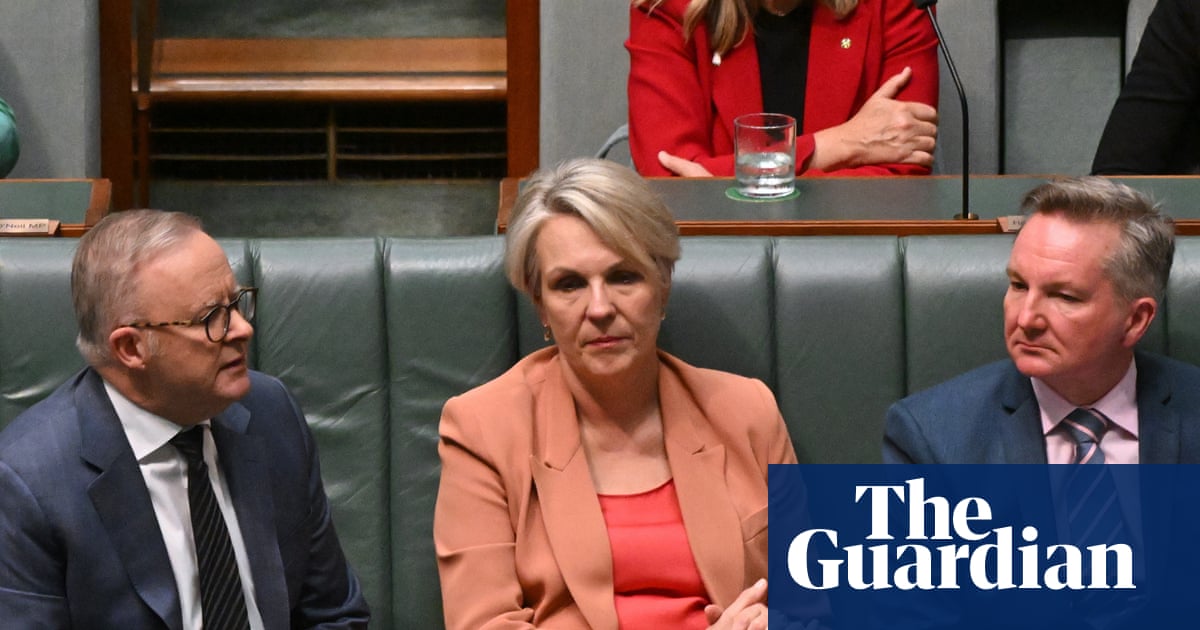
Labor’s Environmental Reforms Face Last-Minute Roadblock as Parliament Nears Closure
Canberra – Sweeping reforms to Australia’s environmental protection laws are on the brink of collapse, with a crucial deal between the labor government and key crossbench senators remaining elusive as parliament prepares for its final sitting day of the year. The proposed changes to the Environment Protection and Biodiversity Conservation (EPBC) Act, intended to halt Australia’s biodiversity decline, are facing opposition from both environmental groups and industry, creating a complex negotiation for the government.
The legislation aims to overhaul a system widely criticised for failing to adequately protect threatened species and ecosystems. Though, environmentalists argue the current bill doesn’t go far enough to address the extinction crisis, while industry representatives fear a new “unacceptable impact” provision could jeopardise projects. This impasse mirrors a similar situation last year, when then-environment Minister Tanya Plibersek was forced to abandon planned reforms following pressure from the Western Australian government and the mining sector.
If a deal isn’t reached on Thursday, it will be the second time in 12 months that Labor’s attempts to reform the EPBC Act have been stalled. The proposed reforms include establishing an independent Environment Protection agency, a key demand from the Greens and independent senator David Pocock.
The Labor Environment Action Network (LEAN), a long-time advocate for EPBC Act reform, has urged the government to prioritise a deal with the Greens, stating their proposal aligns more closely with their key objectives. In an email to supporters, LEAN acknowledged the Coalition’s offer as “inferior” but not “catastrophically weakening” to the Labor bills.
Prime Minister Albanese opted to delay the reforms until after the May federal election, hoping for a more favourable political landscape. The outcome of these negotiations will substantially impact the future of environmental protection in Australia,determining whether the country can effectively address its escalating biodiversity crisis.
