
Heliport Ruling Raises Concerns for Tourism and Residents in Antioquia
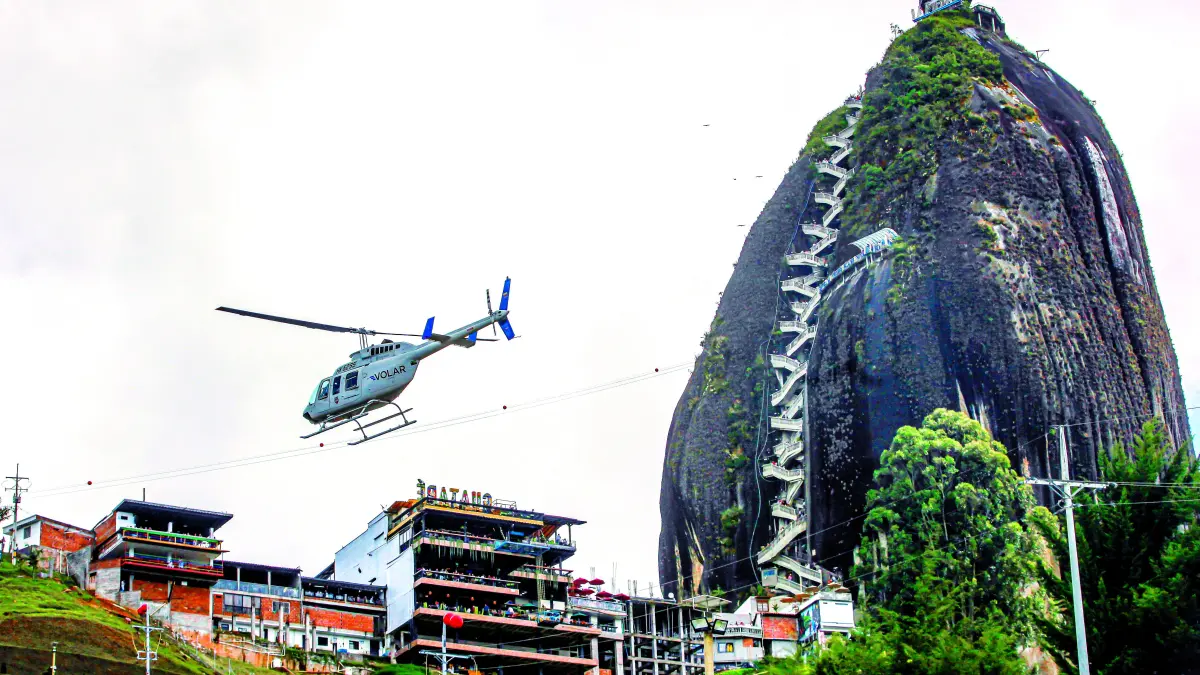
A recent court ruling is casting a shadow over helicopter tourism in the Antioquia region of Colombia, specifically impacting operations in Guatapé and potentially setting a precedent for othre cities like Medellín, Bogotá, and Cartagena. The ruling stems from noise pollution complaints and a determination that the current heliport locations are incompatible with surrounding residential areas.
The 2022 decision highlighted that heliport emissions exceeded permissible daytime levels for a “type b” sector – areas designated as moderate noise,residential,or housing development zones. The municipality’s regulations allow a maximum of 65 dB during the day and 55 dB at night. Though, a 2021 measurement by environmental authority Cornare recorded noise levels peaking at 80 dB during helicopter flyovers. This difference is significant; the decibel scale is logarithmic, meaning a 10dB increase represents a tenfold increase in intensity and a doubling of perceived volume - a 100% difference between 65dB and 75dB.
Previously, an agreement between local businesses and the Mayor’s Office limited flights to daytime hours to mitigate disturbance to tourists seeking lodging. though,the court’s assessment went further,finding the heliport operation fundamentally incompatible with the existing land use. The ruling also referenced a 1983 ministry of Health resolution prohibiting construction near heliports, arguing that since homes predated the heliports, continued operation was illogical. While emergency landings exceeding noise limits are permissible on a sporadic basis, the frequent flights in Guatapé – several times daily – violate regulations.
The dispute centers on jurisdictional obligation. Aerocivil, the civil aviation authority, maintains its role is limited to operational safety standards, deferring environmental permits and construction licenses to the local mayor’s office. This division of responsibility has led to a regulatory gap, as evidenced by the Medellín Tourism Secretariat’s response, which directed inquiries back to Aerocivil, stating they have no authority to regulate aircraft. Aerocivil itself did not respond to requests for comment.
The ruling has sparked strong reactions. Helisky, a major air tourism intermediary, expressed disagreement, stating that operations have been regulated for the past four years through an Aerocivil-approved operational study. They claim to have implemented noise mitigation measures, collaborated with the municipality, and contributed to the growth of tourism in Guatapé. They estimate over 300 people are directly affected by the potential closure.
The court has ordered the heliports to be relocated to suitable areas within six months, or face closure – a directive that falls to the mayor to enforce. The outcome of this case will likely have significant implications for the future of helicopter tourism and the balance between economic development and quality of life for residents in Antioquia and beyond.
