
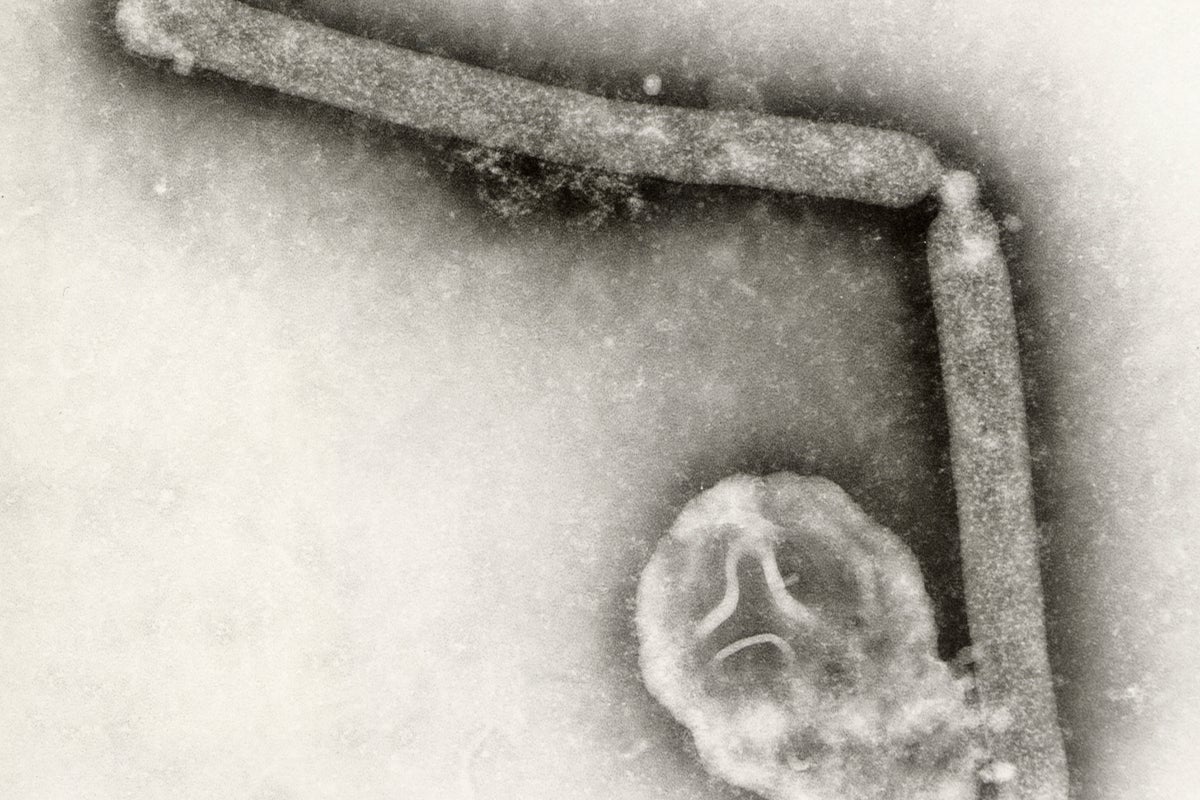
Washington State Resident Confirmed as First U.S. Fatality from H5N5 Bird Flu Strain
Olympia, WA - A Washington state resident has died after contracting a rare strain of avian influenza, H5N5, marking the first confirmed U.S. fatality linked to the virus, state health officials announced.The individual,whose details have not been released,had recently traveled to Mexico.
health officials emphasize that, as of now, there is no evidence of human-to-human transmission. “No other people involved have tested positive for avian influenza,” they stated, adding that anyone who had close contact with the man is being monitored. The Centers for Disease Control and Prevention (CDC) previously indicated that this case does not suggest an increased risk to public health.
H5N5 differs from the more prevalent H5N1 strain, which caused approximately 70 reported human infections in the U.S. between 2024 and 2025, primarily mild illnesses among workers on dairy and poultry farms. The key distinction lies in a protein affecting the virus’s ability to spread from an infected cell.
Understanding Bird Flu and its Impact on Humans
Avian influenza, commonly known as bird flu, can cause a range of symptoms in humans, often appearing rapidly. These include a very high temperature, aching muscles, headache, and respiratory issues like cough or shortness of breath. Additional early symptoms may encompass diarrhea, sickness, stomach pain, chest pain, bleeding from the nose and gums, and conjunctivitis. Symptoms typically emerge within 3 to 5 days of infection.
Severe complications, such as pneumonia and acute respiratory distress syndrome, can develop quickly following the onset of symptoms. While human-to-human transmission hasn’t been documented in Europe or the UK, it has occured in limited instances abroad.
Bird flu is primarily spread through close contact with infected birds – whether dead or alive – including touching the birds themselves, their droppings, bedding, or handling infected poultry during preparation for cooking.
