
Human Bone Marrow Recreated in the Lab Offers New Hope for Blood Cancer research
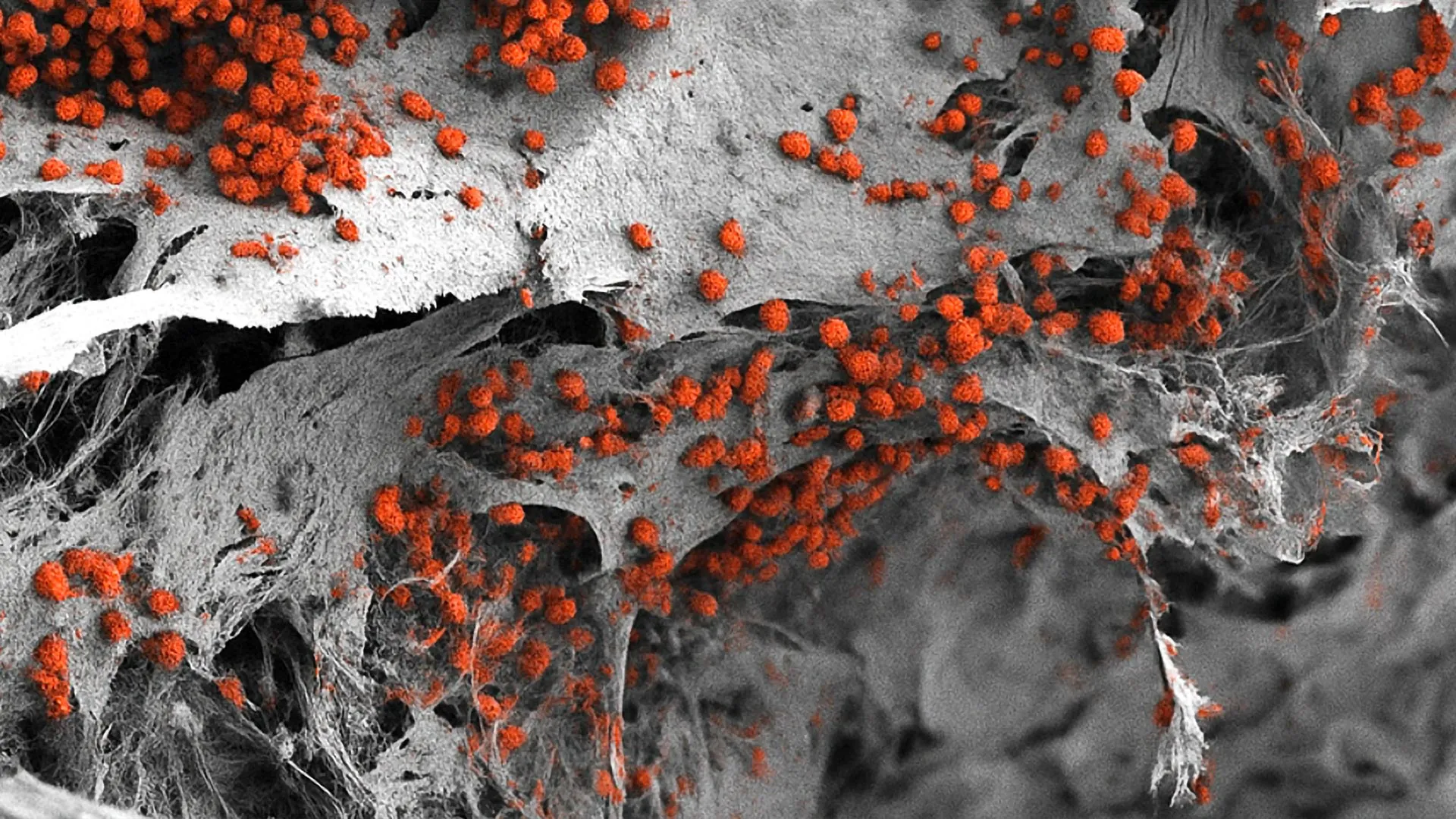
For the first time, scientists have successfully recreated a fully human bone marrow surroundings in the laboratory. This breakthrough,achieved by researchers at the University of Basel and University Hospital Basel,promises to revolutionize the study of blood formation and blood cancers,and potentially reduce reliance on animal testing.
Our bone marrow, the body’s “blood factory,” is a complex network of cells vital for producing healthy blood. When this process goes awry, as in blood cancers, understanding the normal function of bone marrow becomes critical. Traditionally, research has relied on animal models or simplified cell systems, which don’t fully capture the intricacies of the human body.
This new model overcomes those limitations by replicating the endosteal niche – a crucial microenvironment within bone marrow responsible for creating new blood cells and often linked to cancer’s resistance to treatment. The researchers built an artificial bone framework and populated it with human stem cells, carefully guiding their advancement into the diverse range of cells found in natural bone marrow.
The resulting three-dimensional structure, measuring 8mm in diameter and 4mm thick, closely mimics the human endosteal niche and successfully supported human blood cell formation for several weeks. This larger size allows for more realistic study conditions compared to previous models.
“We have learned a great deal about how bone marrow works from mouse studies,” explains Professor Ivan Martin. “However, our model brings us closer to the biology of the human organism. It coudl serve as a complement to many animal experiments in the study of blood formation in both healthy and diseased conditions.”
While currently too large for high-throughput drug screening, the platform holds immense potential for drug development and, crucially, for personalized medicine. Researchers envision a future where patient-specific bone marrow models can be created to test different therapies and identify the most effective treatment for each individual battling blood cancer. This study represents a significant step towards that goal.
