
Cuban Official Acknowledges Discrepancies in Dengue and Chikungunya Reporting
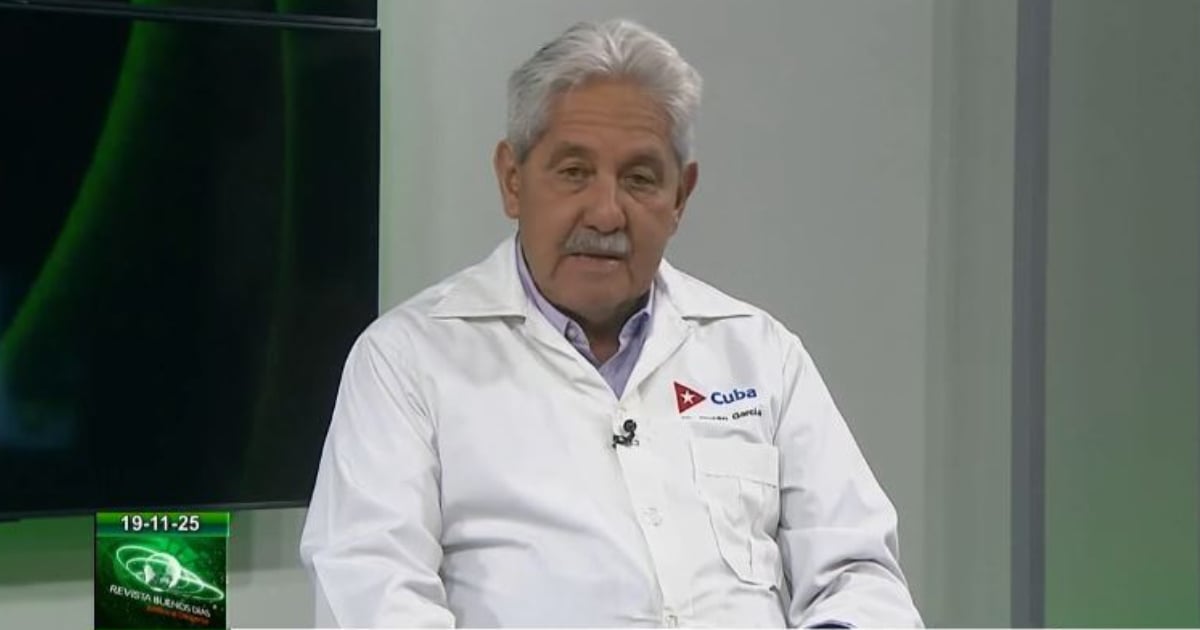
Francisco Durán, a leading epidemiologist in Cuba, has publicly acknowledged that official figures regarding dengue and chikungunya cases may not fully represent the reality of the outbreaks currently affecting the country. The admissions came during a recent report on the epidemiological situation, as reported on November 7th and 18th by CiberCuba.
While maintaining nationwide testing and surveillance, Durán attempted to contextualize the situation by stating that Oropouche “is no longer the main health problem,” due to the increasing prevalence of chikungunya. He reported an Aedes aegypti mosquito infestation rate of 0.70%, which he characterized as ”high” and indicative of “important possibilities of transmission.”
Despite ongoing fumigation and abatement campaigns,Durán conceded that these efforts “remain insufficient.” He revealed that 79% of planned actions were completed, with 223 teams failing to operate, 163 due to personnel shortages. Insecticide treatments were not carried out in the provinces of Pinar del Río, Artemisa, Matanzas and sancti Spíritus due to equipment breakdowns and resource scarcity.
Durán stated that 3,703 hospital beds are available for chikungunya patients nationwide, and assured that “there are no patients who require admission and cannot be hospitalized.” admissions are being prioritized for children and individuals with pre-existing health conditions, with others advised to remain under home observation. However, the report notes that this statement doesn’t address the widespread shortage of medicines in hospitals, a key reason why many Cubans are opting to manage their illness at home.
The epidemiologist also acknowledged the “despair” felt by many Cubans experiencing intense pain and delays in receiving adequate medical attention. He recounted an encounter with a patient at a Havana polyclinic who “saying that she was dying of discomfort,” illustrating the suffering caused by the disease. Despite recognizing this distress, Durán urged the population to remain calm, admitting it was “arduous to give peace of mind to someone who is suffering from such pain.”
Durán also denied the presence of West nile virus in Cuba, stating that the Institute of Tropical Medicine “has not diagnosed any cases” after conducting numerous tests, while acknowledging the circulation of other arboviruses on the island.
This public recognition of discrepancies in reported figures is considered unusual given the Cuban government’s historical tendency to minimize or disguise epidemiological outbreaks. Durán’s admissions corroborate reports from doctors and citizens on social media detailing a worsening health crisis and a health system lacking the necessary resources to effectively combat the rapidly expanding epidemic.
Reports indicate that despite appeals for “self-care” from the Ministry of Public Health (MINSAP), the population is facing a lack of medicines, inadequate fumigation efforts, and overwhelmed hospitals, with polyclinics experiencing saturation and long wait times.Many patients are reportedly choosing home treatment due to a lack of available care.
