
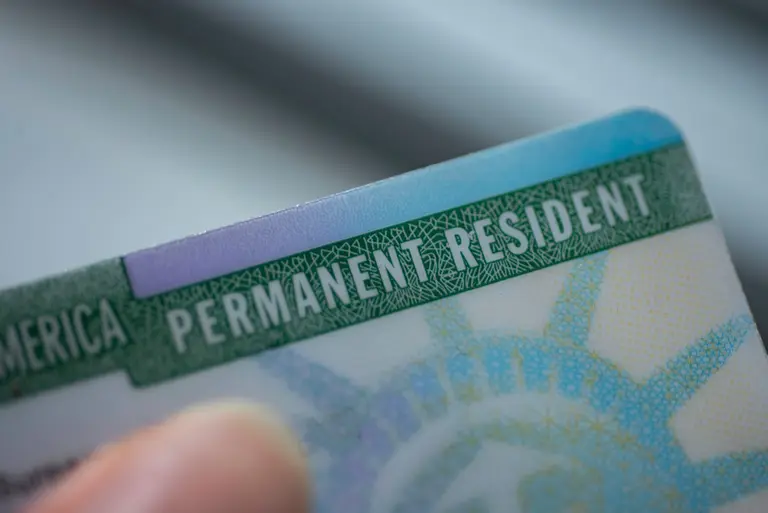
The Trump governance is moving to reinstate a policy that could deny green cards to immigrants deemed likely to use public benefits,reversing a Biden administration effort to limit its scope. The proposed rule would broaden the criteria for determining whether an applicant is a ”public charge,” potentially increasing denials and granting immigration officials wider discretion.
This shift marks a return to stricter immigration enforcement and could impact millions of legal immigrants seeking permanent residency. The policy, initially implemented during the Trump presidency and later rolled back by President Biden, centers on whether an individual is highly likely to become primarily dependent on the government for support. U.S. citizens who are children of noncitizens would remain eligible for welfare programs.
Under the revised guidelines, immigration officials could consider a wider range of public benefits-beyond those like Supplemental Security income (SSI) and Temporary Assistance for Needy Families (TANF)-when assessing an applicant’s likelihood of becoming a public charge.This includes programs like the Supplemental Nutrition Assistance Program (SNAP) and Medicaid.
The Biden administration had narrowed the definition of “public charge” to focus primarily on cash assistance programs, aiming to protect immigrants from being penalized for accessing essential healthcare and nutrition support. Trump’s new proposal seeks to revert to the broader criteria, raising concerns among advocates who argue it will create arbitrary barriers to immigration and disproportionately affect low-income individuals and families.
The change comes as the number of immigrants applying for legal residency continues to rise, and as debates over immigration policy remain a central focus of political discourse. The administration argues the policy is necessary to ensure immigrants are self-sufficient and do not burden taxpayers,while critics contend it undermines the nation’s humanitarian principles and economic growth.
