
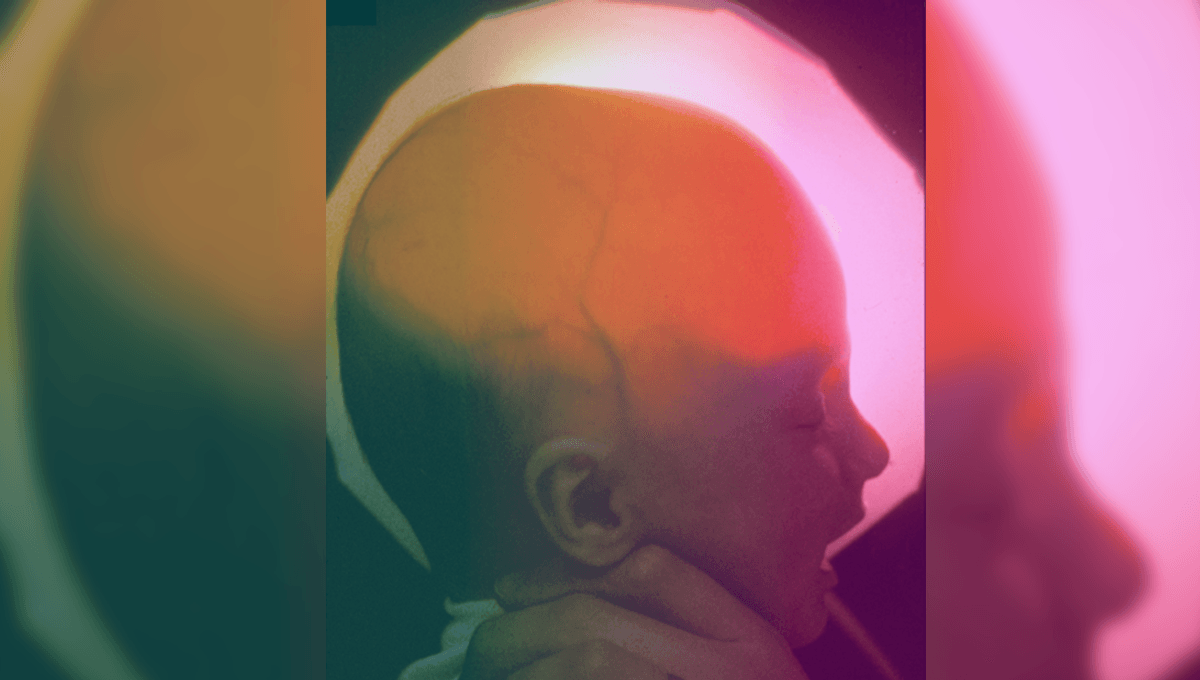
A woman With Hydranencephaly Just Celebrated Her 20th Birthday. What Does That Mean?
Table of Contents
On November 18, 2025, Alex Simpson, a woman born with a condition where most of her brain is missing, marked her 20th birthday.This milestone defies conventional medical prognoses and raises profound questions about consciousness, quality of life, and the limits of neurological understanding. Simpson’s continued survival and apparent recognition of loved ones challenge long-held assumptions about the brain’s necessity for awareness and connection.
Hydranencephaly, a rare and severe neurological disorder, typically results in death within the first few months of life. Simpson’s case,though,demonstrates that life can persist-and even include moments of apparent joy-despite the absence of much of the brain. Her story offers hope and a unique outlook on the human capacity for resilience, while simultaneously prompting difficult ethical and philosophical considerations regarding end-of-life care and the definition of sentience.
What is Hydranencephaly?
Hydranencephaly is a condition where the cerebral hemispheres-the main parts of the brain-are largely replaced by fluid-filled sacs.Individuals with hydranencephaly typically have normal brainstems and cerebellum, which control basic functions like breathing and movement.However, the lack of cerebral cortex severely impacts cognitive abilities and motor skills.
Alex Simpson’s life necessitates constant, extensive care.She requires a feeding tube, a tracheostomy tube to assist with breathing, and medication to manage sleep. due to a lack of control over her jaw and tongue, she faces a constant risk of choking if positioned incorrectly. Despite thes challenges, her parents report she demonstrates recognition of family members and responds to positive and negative stimuli.
According to Shawn Simpson,She knows her mum and her dad,her little brother. She knows when good things are going on around us, she knows when bad things are going on around her.
” (as told to KETV in 2016).
Understanding the Causes and Treatment
There is no cure for hydranencephaly, and no way to regenerate missing brain tissue. The cause of the condition is often difficult to pinpoint, but it’s generally considered a destructive process impacting brain development.
Sumit Parikh, a pediatric neurologist at the Cleveland Clinic, explained to MedPage Today that hydranencephaly is commonly due to a variety of causes.
These can include infections during pregnancy, exposure to toxins like cocaine, or complications from twin-to-twin transfusion syndrome. In Alex Simpson’s case, doctors believe a stroke in utero interrupted the oxygen supply to her developing brain, a common factor in hydranencephaly cases.
The interruption of oxygen can stem from blocked carotid arteries or, in some instances, insufficient oxygen delivery for unknown reasons. Parikh also noted that less commonly, genetic disorders impacting cerebral blood vessel formation have been identified.
” He suggests that genetic causes may have been underestimated due to the recent availability of comprehensive genetic testing.
Despite the uncertainty surrounding the causes, the Cleveland Clinic emphasizes that hydranencephaly is extremely difficult
” for families, requiring extensive education to understand the severity of the disorder.
| Milestone | Date |
|---|---|
| Birth | November 18, 2005 |
| Initial Prognosis | 6 months |
| 10th Birthday | November 18, 2015 |
| 20th Birthday | november 18, 2025 |
Did You Know?
Hydranencephaly is estimated to occur in approximately 1 in 10,000 births, though accurate statistics are difficult to obtain due to the condition’s rarity and often short life expectancy.
Pro Tip:
If you or someone you know is affected by hydranencephaly, resources and support are available thru organizations like the Cleveland Clinic and the National Organization for Rare Disorders (NORD).
Alex Simpson’s case continues to challenge medical understanding and inspire reflection on the nature of life, consciousness, and the enduring power of family love. Her story prompts us to consider what truly defines a meaningful existence, even in the face of profound physical limitations.
What aspects of Alex Simpson’s case do you find most compelling? How does her story change your perspective on the definition of quality of life?
Background on Hydranencephaly
Hydranencephaly is a congenital condition, meaning it is present at birth. It’s a very rare form of neural tube defect, where the brain doesn’t develop properly during gestation. While the exact causes are often unknown, factors like genetic predisposition, infections, and vascular issues during pregnancy are suspected. The prognosis for infants with hydranencephaly is generally very poor, with most not surviving beyond infancy. Though, as alex Simpson’s case demonstrates, exceptions can occur, leading to ongoing research into the potential for neurological plasticity and the limits of brain function.
Frequently Asked Questions About Hydranencephaly
- What is the life expectancy for someone with hydranencephaly? Typically, infants with hydranencephaly do not survive past infancy. However, cases like Alex Simpson’s demonstrate that survival beyond the first year is possible, though rare.
- What causes hydranencephaly? The exact cause is often unknown, but potential causes include genetic factors, infections during pregnancy, and interruptions to the brain’s blood supply.
- Is there any treatment for hydranencephaly? There is no cure for hydranencephaly. Treatment focuses on supportive care to manage symptoms and improve quality of life.
- Can a baby with hydranencephaly have any awareness? While severely limited, some individuals with hydranencephaly may exhibit signs of awareness, such as responding to stimuli or recognizing loved ones, as demonstrated in Alex Simpson’s case.
- What kind of care does a child with hydranencephaly require? Children with hydranencephaly require 24/7 care, including assistance with feeding, breathing, and managing potential complications like choking.
